No Chinese New Year is complete without the reunion dinner, a feast where love and tradition simmer as richly as the dishes themselves. At its center lies the humble yet revered staple food, each bite a toast to prosperity, unity, and the promise of a sweet new year.
Rice takes pride of place, often transformed into glutinous rice cakes (*niangao*). Its name, a homophone for “higher,” symbolizes rising fortunes and growth, while its sticky texture binds families together—literally and figuratively— as elders share slices with younger generations. For northerners, dumplings (*jiaozi*) reign supreme. Shaped like ancient gold ingots, they are meticulously folded to wealth, with lucky charms hidden inside: a coin for prosperity, a peanut for longevity, a date for sweetness. Their assembly becomes a communal affair, laughter filling the kitchen as hands work in harmony.
In southern homes, sweet rice balls (*tangyuan*) float in warm syrup, their roundness signifying wholeness and reunion. Whether steamed, boiled, or pan-fried, these staples are more than sustenance—they are edible blessings, carrying the weight of generations. As chopsticks clink and stories are shared, these humble foods weave the night into a tapestry of belonging, reminding everyone that no matter how far they’ve wandered, the table of home will always be set.
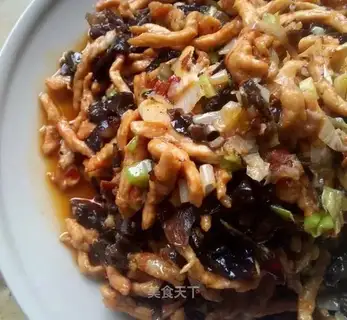 Fish fragrance is common practice"
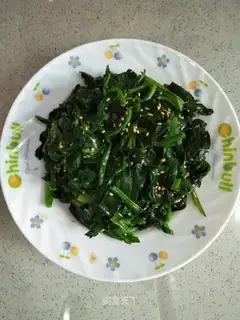 Homemade sugar spinach"
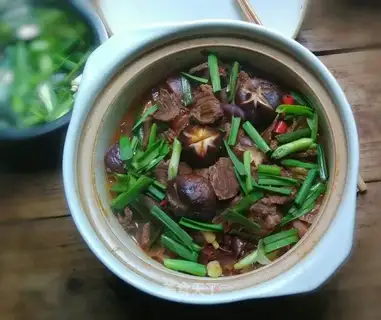 Beef casserole"
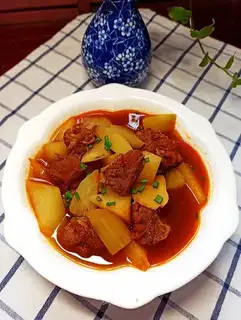 Spicy beef gravy"
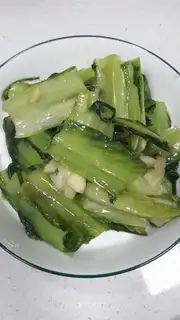 Garlic pastries"
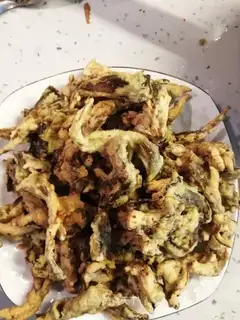 The magic of mushrooms"
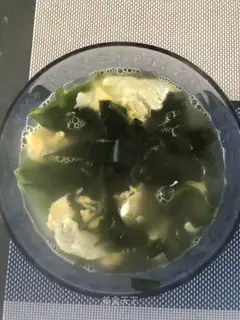 Fried omelet sprouts"
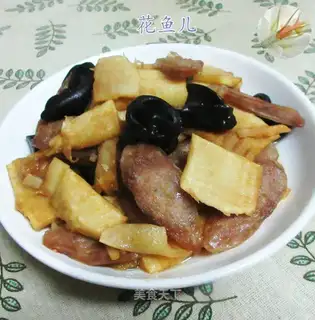 Black-muck sausages"
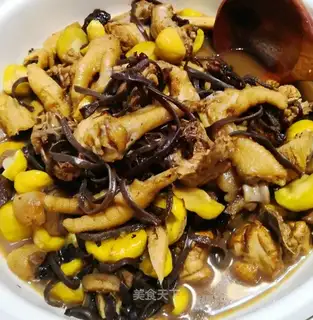 A Hong Kong-style cocktail"
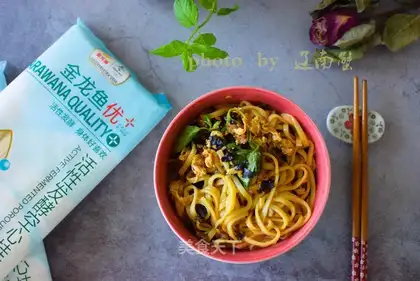 At the end of the sour bean"
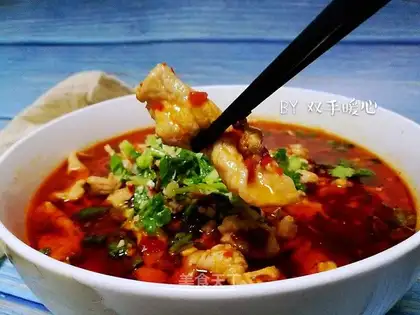 Boiled meat"
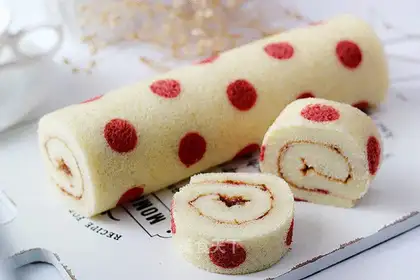 Plum sauce, cake rolls"
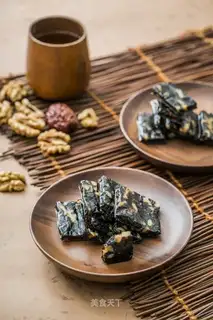 Guan Won Ace-O"
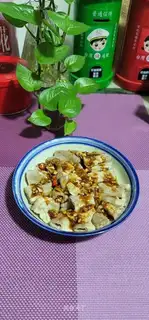 Spicy garlic powdered sausage"
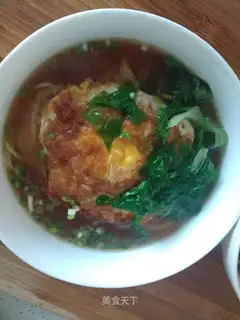 Simple face"
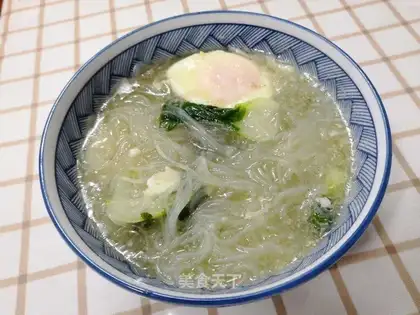 A cabbage egg fan"
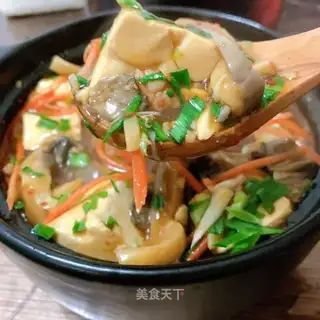 Spicy tofu"
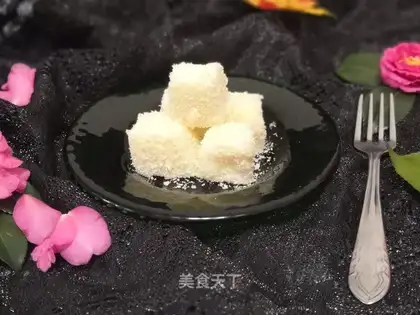 Small milk"
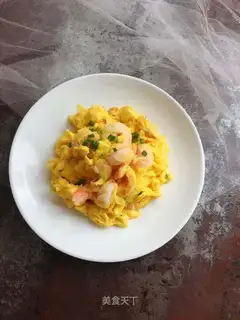 Shrimp"
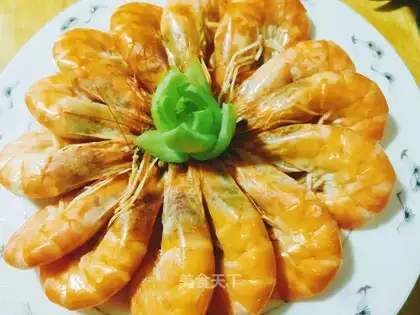 Rich shrimp"
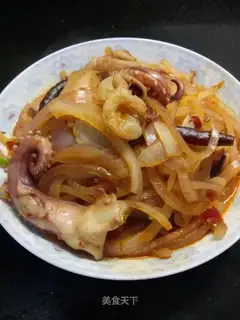 Squirt"
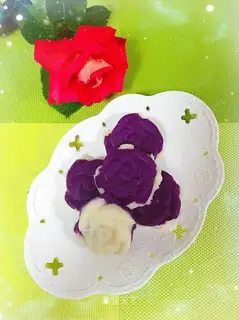 Mountain medicine"
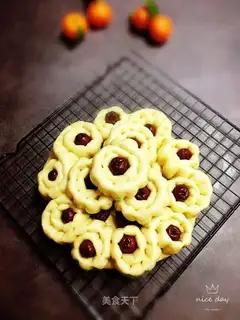 Red-tree bouquet"
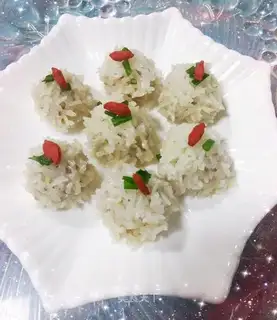 Pearl meatballs"
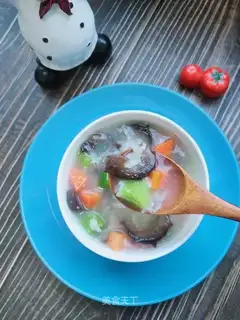 The radish sea cucumber"
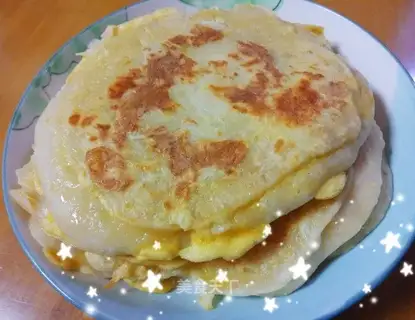 Egg pancakes"
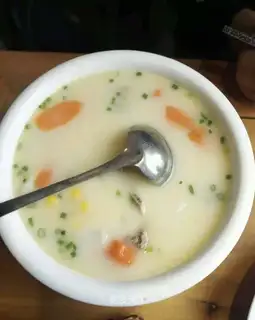 Tomato chop soup"
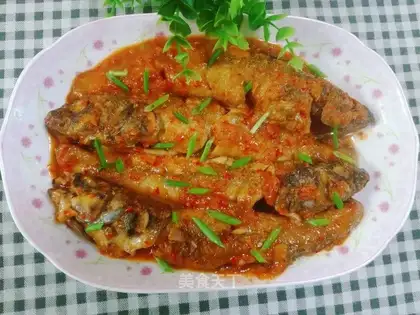 Old man with garlic sauce"