The New Year’s Eve dinner in Northwest China is a vibrant tapestry of flavors, deeply rooted in the region’s harsh climate and agricultural heritage. Unlike the elaborate banquets of southern China, this meal celebrates simplicity, heartiness, and symbolic abundance, bringing families together around steaming dishes that ward off winter’s chill.
No feast is complete without *Liangpi* (Cold Skin Noodles), a tangy appetizer made from wheat starch, tossed with chili oil, vinegar, and bean sprouts, awakening the palate. The star is often *Biangbiang Noodles*—wide, belt-like hand-pulled noodles, symbolizing longevity and prosperity, served with savory sauces or stewed with lamb and tomatoes. *Roujiamo* (Chinese Hamburger), a juicy stuffed bun, makes a hearty appearance, its flavorful filling representing family unity.
Dumplings are essential, their shape resembling ancient gold ingots, promising wealth. Families gather to fold them, placing coins or dates inside for luck. *Paomo*, a comforting soup of torn flatbread simmered with lamb and bone broth, warms both body and soul, embodying the region’s nomadic past.
Desserts like *Date Cake* sweeten the meal, while *Jujube Tea* aids digestion. Each dish carries meaning: noodles for long life, dumplings for fortune, and stews for warmth. This feast is more than food; it’s a tribute to resilience, family bonds, and the hope for a prosperous new year.
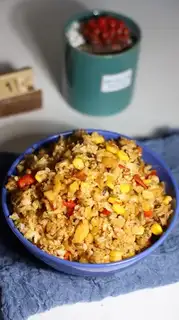 Sour-cracked corn pastry"
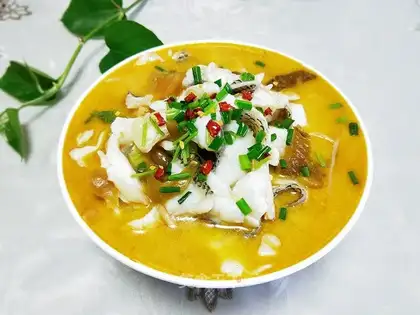 The gold soup and sour fish"
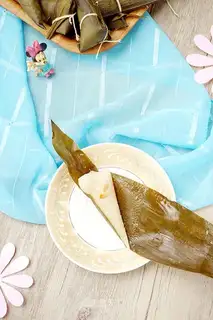 Chicken meat in New Orleans"
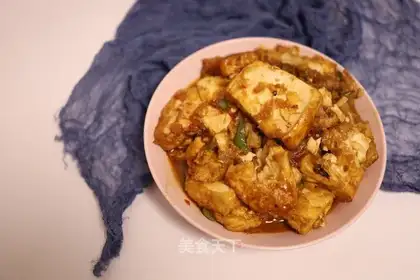 It's always tofu"
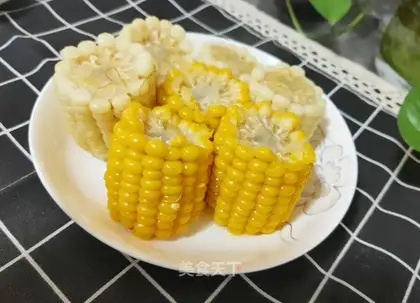 White corn"
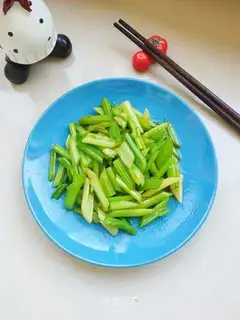 Pelican celery"
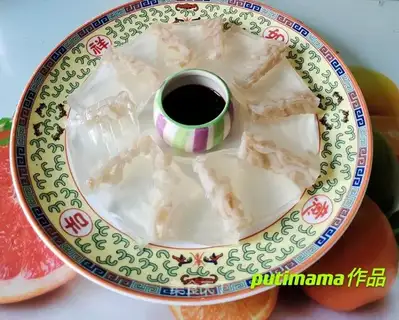 Homemade leather"
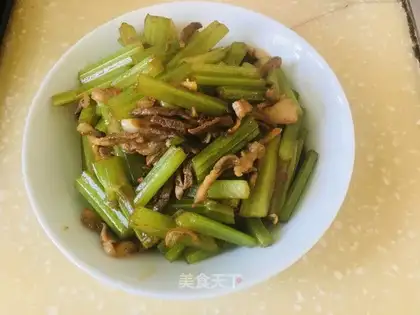 Lamb celery"
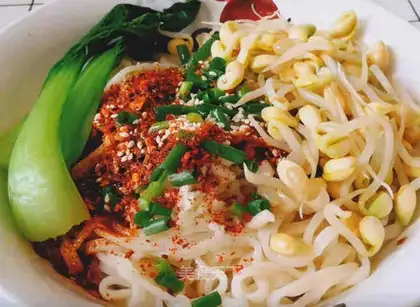 It's cold"
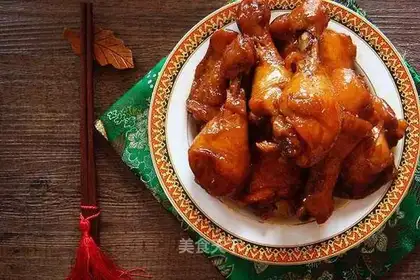 My chicken leg"
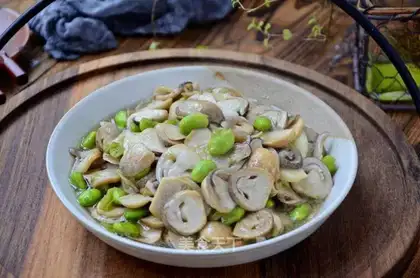 Scrambled beans"
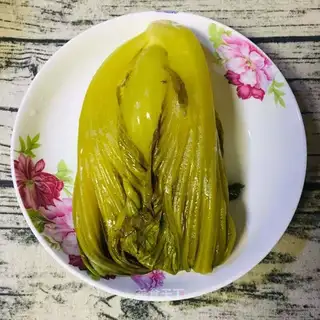 Homemade sour"
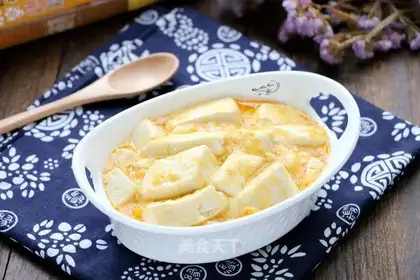 Salted egg sofa tofu"
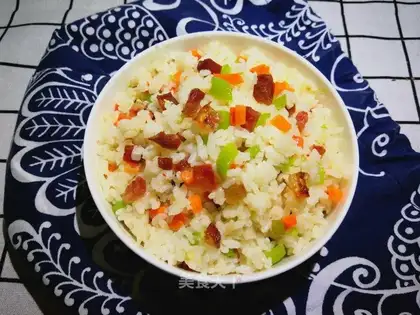 Weenie fried rice"
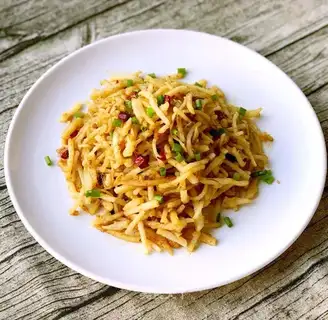 Potato fork"
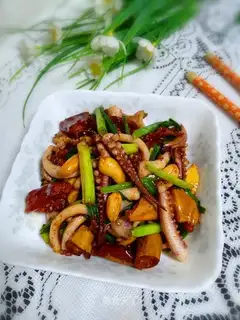 Spicy and fired"
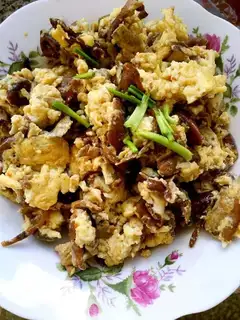 Fry eggs"
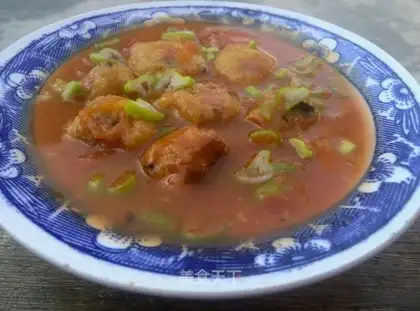 Sourballs"
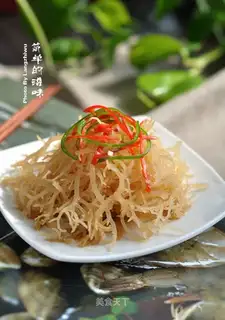 Antlers"
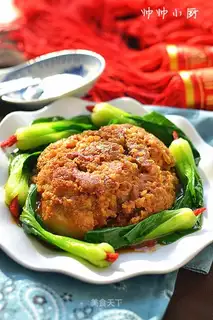 Dust"
Dust"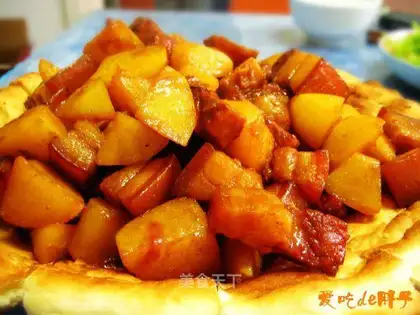 Naan wrapped pork"
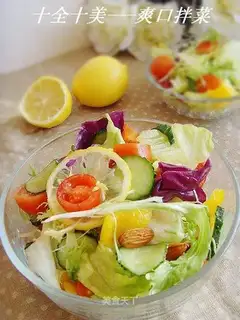 Delicious dish mix"
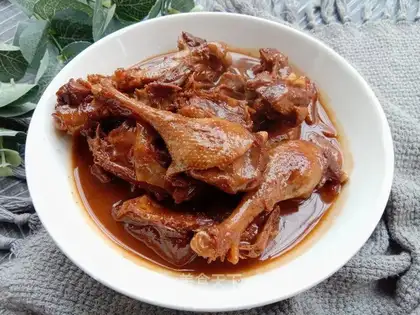 The red duck"
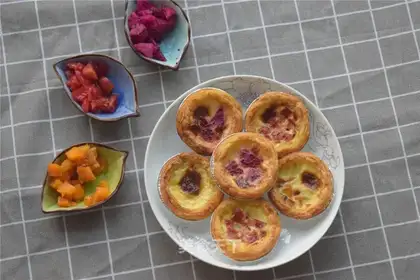 Fruit omelet"
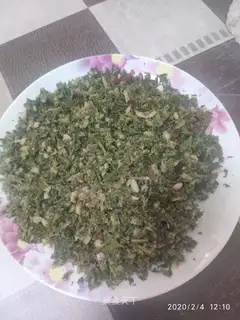 The radish"
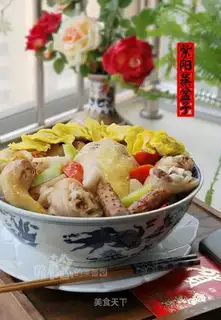 Ziyang steamed basin"