salty and sweet Recipe
AlvertaBogisich
The autumn wind is coming, and you can stew some nourishing soup at home. Today, using Ganoderma lucidum, Dendrobium, American ginseng and old chicken stew soup can improve immunity, nourish yin and qi. Ganoderma lucidum can improve the body's immunity and have anti-cancer and anti-cancer effects. Dendrobium has been fried very hot in the past few years, especially Dendrobium officinale, which has almost been described as a fairy medicine. In fact, Dendrobium is just an ordinary medicine that can nourish yin and clear heat, nourish the stomach and promote fluid, moisten the lungs and relieve cough, and nourish the kidney and improve the eyesight. American ginseng can nourish yin and qi. These three ingredients add up to stew chicken soup. It tastes good and is sweet. Moreover, the therapeutic effect is quite good.
PansyHarvey
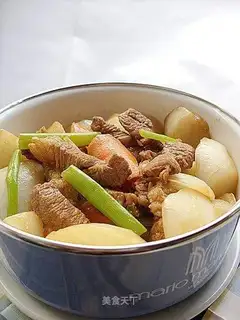
Here in northern Jiangsu, this small white radish is called spicy radish, or water spicy radish. It is generally used to roast meat, mix shredded radish cold, or make dried radish. <br />The long green radish is called green-headed radish and is generally used to make steamed buns filling for the New Year or meatball filling for the New Year. <br />Every household will grow a pool of radishes in a piece of land reserved for themselves and pull them up as they eat. It is estimated that at this time of year, radishes have just grown, only as thin as chopsticks. <br /><br />As the saying goes, if you eat radish in winter and ginger in summer, you don't need to prescribe a prescription if you are sick. That is, the benefits of eating radishes in winter. Eating many things at the right time of season is very good for your body. <br />Although it is not winter now, radishes are already on the market. Buy some and try them while they are fresh. <br />A dish cooked according to the flavor of northern Jiangsu is estimated that 5 out of 10 restaurants will cook this dish almost on the tables of northern Jiangsu people in winter as long as they grow radishes.
FerminOberbrunner
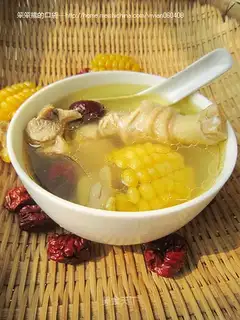
Therapeutic value of corn:<br /> [Performance] Sweet taste and calm nature. It can regulate the middle and strengthen the stomach and make diuretic. <br />[Reference] Contains protein, fat, starch, calcium, phosphorus, iron, vitamin B1.B2.B6, niacin, pantothenate, carotene, quercetin and other ingredients. <br />Corn oil is rich in oils with multiple unsaturated bonds of fatty acids. It is an inhibitor of cholesterol absorption and plays a certain role in lowering plasma cholesterol and preventing coronary heart disease. <br />[Purpose] It is used for spleen and stomach disorders, loss of appetite, reduced diet; stagnation of water dampness, poor urine or edema; hyperlipidemia, coronary heart disease. <br />[Usage] Panting soup, boiling food, or grinding flour to cook porridge, etc. <br /><br />Attached Party:<br /> 1. Corn prickly pear soup: 30g corn, 15g prickly pear. Add water to make soup and serve it or replace tea drink. <br />When combined with prickly pear, this product has the effects of strengthening the stomach, promoting digestion and clearing summer heat. It is especially suitable for patients with spleen and stomach disorders, indigestion, diet reduction or diarrhea, and summer heat. <br />2. Corn tea: 30g of corn and 15g of corn stigma. Add appropriate amount of water and fry soup instead of tea. <br />Corn and corn stigma both have diuretic effects, and corn stigma has a stronger effect, so they are used in combination. It is mainly used for chronic nephritis, edema, and poor urine.