garlic Recipe
IlianaAbbott
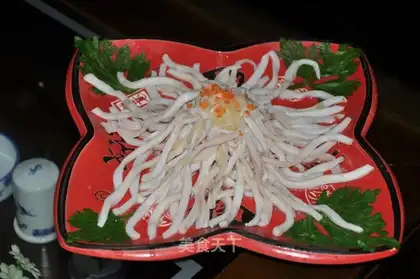
Who hasn't seen or eaten squid? It's fine if it is fragrant, but how can it be gorgeous? In this world, nothing is impossible, as long as you put your heart into it. <br />The fragrant shredded squid is fragrant, but the fragrance is garlic, but the reason why the dish is shaped like a blooming chrysanthemum, and it is a gorgeous and noble white chrysanthemum. This dish has light taste, little oil and salt, soft and crispy taste, and strong garlic aroma. It is an excellent side dish for quarry workers to accompany wine. At banquets at home, this dish has always been a reserved program for the foolish lady, and she can basically be praised every time. Sometimes people raise their hands and can't bear to put down chopsticks. Such a popular dish is very simple to make. As long as you grasp a few key steps, I believe you will be like the silly girl to make a delicious and tasteful delicacy-fragrant shredded squid.
DiamondKoelpin
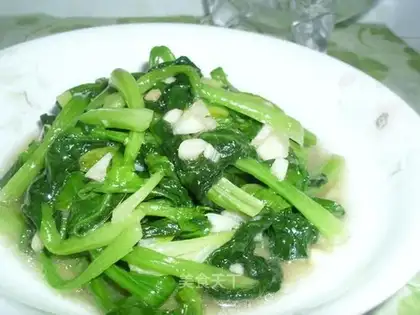
Spinach, as a mild tonic and nourishing food, is especially suitable for "deficiency and not being replenished". The enzyme content of spinach has a good effect on the secret function of the stomach and pancreas, and is suitable for patients with hypertension and diabetes (spinach root is especially suitable for diabetic patients). Recent research by foreign scholars has found that spinach has anti-aging and enhancing youthful vitality, which is related to the vitamin E and another coenzyme Q10 it contains. <br /><br />Spinach contains large amounts of beta carotene and iron, and is also an excellent source of vitamin B6, folic acid, iron and potassium. Spinach leaves contain chromium and an insulin-like substance, which acts very similar to insulin and keeps blood sugar stable. The rich B vitamin content makes it able to prevent angular stomatitis, while beta carotene can prevent vitamin deficiencies such as night blindness. Spinach contains a large amount of antioxidants such as vitamin E and selenium, which has anti-aging and cell proliferation effects. It can not only activate brain function, but also enhance youthful vitality, help prevent brain aging and prevent Alzheimer's disease. A Harvard University study also found that middle-aged and elderly people who eat spinach 2 to 4 times a week have ingested carotene (i.e., pro-vitamin A, because it is called vitamin A in animals and pro-vitamin A in plants), which can reduce the risk of retinal degeneration, thereby protecting vision.