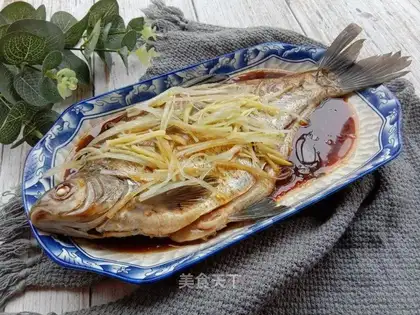
Wuchang fish (Megalobrama amblycephala), a freshwater species endemic to the Yangtze River basin, holds a revered place in Chinese culinary history, particularly associated with Wuchang, Hubei Province. Celebrated for its tender flesh, delicate flavor, and minimal intramuscular spines, this fish has been a staple in Chinese diets for centuries. Beyond its gastronomic appeal, Wuchang fish is a nutritional powerhouse, offering a range of health benefits. However, like all foods, it must be consumed mindfully to avoid potential risks. This article explores the nutritional value, health benefits, and dietary precautions associated with Wuchang fish, providing a comprehensive guide for enthusiasts and health-conscious individuals alike.
Nutritional Value of Wuchang Fish
Wuchang fish is a nutrient-dense food, rich in high-quality protein, essential vitamins, minerals, and healthy fats, making it an excellent addition to a balanced diet.
1. High-Quality Protein
Protein is vital for tissue repair, muscle growth, and immune function. Wuchang fish contains approximately 18-20% protein, with a balanced profile of essential amino acids (including lysine, methionine, and leucine) that the human body cannot synthesize. This biological value rivals that of meat and poultry, making it an ideal protein source for vegetarians, athletes, and individuals recovering from illness.
2. Healthy Fats and Omega-3 Fatty Acids
Unlike fatty fish like salmon, Wuchang fish is relatively lean, with only 2-3% fat, primarily composed of unsaturated fatty acids. It is a notable source of omega-3 fatty acids, including eicosapentaenoic acid (EPA) and docosahexaenoic acid (DHA). These compounds are crucial for brain health, reducing inflammation, and lowering the risk of cardiovascular diseases. The omega-6 to omega-3 ratio in Wuchang fish is also favorable, aligning with dietary recommendations to promote heart health.
3. Essential Vitamins
Wuchang fish is rich in B vitamins, particularly vitamin B12 and niacin (vitamin B3). Vitamin B12 is essential for nerve function and red blood cell formation, while niacin supports metabolism and skin health. Additionally, it contains small amounts of vitamin A, which aids vision and immune function, and vitamin D, which promotes calcium absorption and bone health.
4. Minerals
The fish is a good source of selenium, a powerful antioxidant that protects cells from damage and supports thyroid function. It also provides phosphorus for bone and teeth health, potassium for regulating blood pressure, and iron, which is vital for preventing anemia. Notably, its sodium content is relatively low, making it suitable for individuals with hypertension.
Health Benefits of Wuchang Fish
The unique nutritional composition of Wuchang fish translates to several evidence-based health benefits, contributing to overall well-being.
1. Cardiovascular Health
The omega-3 fatty acids in Wuchang fish play a pivotal role in heart health. They lower triglyceride levels, reduce blood pressure, decrease platelet aggregation (preventing blood clots), and inhibit the formation of arterial plaques. Regular consumption has been linked to a reduced risk of arrhythmias, heart attacks, and strokes. The low saturated fat content further enhances its cardioprotective effects.
2. Brain Development and Cognitive Function
DHA, a key omega-3 in Wuchang fish, is a major structural component of the brain and retina. Studies suggest that adequate DHA intake supports cognitive development in children, improves memory in adults, and may reduce the risk of age-related cognitive decline, such as Alzheimer’s disease. Pregnant and breastfeeding women are often encouraged to consume omega-3-rich fish like Wuchang fish to support fetal brain development.
3. Anti-Inflammatory Properties
Chronic inflammation is linked to diseases like arthritis, diabetes, and cancer. The EPA and DHA in Wuchang fish exert anti-inflammatory effects by inhibiting the production of pro-inflammatory cytokines. This makes it beneficial for individuals with inflammatory conditions, such as rheumatoid arthritis, by reducing joint pain and stiffness.
4. Weight Management
With its high protein and low-fat content, Wuchang fish is an excellent food for weight control. Protein promotes satiety, reducing overall calorie intake, while the low fat content minimizes excess energy storage. Additionally, the fish’s micronutrients, such as selenium and B vitamins, support metabolism, aiding in efficient energy utilization.
5. Immune System Support
The combination of protein, vitamins (A, B12, D), and minerals (selenium, zinc) in Wuchang fish strengthens the immune system. Selenium, in particular, enhances the activity of antioxidants and immune cells, helping the body fight infections and illnesses. Regular consumption may reduce the frequency and severity of colds and other infections.
食用禁忌 (Dietary Precautions)
While Wuchang fish offers numerous health benefits, certain precautions must be taken to ensure safe and optimal consumption.
1. Allergies
Fish allergies are common and can range from mild symptoms (hives, itching) to severe reactions (anaphylaxis). Individuals with a known fish allergy should avoid Wuchang fish entirely. First-time consumers, especially children, should start with small portions to monitor for adverse reactions.
2. Mercury and Environmental Contaminants
As a freshwater fish, Wuchang fish may accumulate trace amounts of mercury and environmental pollutants, depending on its habitat. High mercury levels are harmful to the nervous system, particularly in pregnant women, nursing mothers, and young children. To minimize risk, choose fish from reputable sources, limit consumption to 2-3 times per week, and avoid eating the head, skin, and internal organs, where toxins tend to accumulate.
3. Purine Content
Wuchang fish contains moderate to high levels of purines, which can trigger gout attacks in susceptible individuals. Purines break down into uric acid, and excessive levels may lead to crystal formation in joints, causing pain and inflammation. Individuals with gout or high uric acid should consume Wuchang fish in moderation or avoid it during flare-ups.
4. Food Pairing and Cooking Methods
Improper cooking or pairing can reduce nutritional benefits or cause digestive issues. Deep-frying Wuchang fish, while tasty, increases its fat content and may produce harmful compounds (e.g., acrylamide). Steaming, grilling, or boiling are healthier cooking methods that preserve nutrients. Additionally, avoid consuming Wuchang fish with high-purine foods (e.g., alcohol, organ meats) or cold beverages immediately after eating, as this may disrupt digestion and increase uric acid levels.
5. Specific Populations
- Pregnant and Nursing Women: While omega-3s are beneficial, mercury exposure is a concern. Opt for low-mercury varieties and limit intake to 2 servings per week.
- Children: Introduce Wuchang fish after 6 months of age, starting with small portions, to assess for allergies and ensure safe mercury exposure.
- Patients with Kidney Disease: The high protein content may strain kidney function in individuals with renal impairment. Consult a doctor before consumption.
Conclusion
Wuchang fish is more than a culinary delight—it is a nutritional ally that supports heart health, brain function, and overall wellness. Its rich protein content, omega-3 fatty acids, and essential vitamins and minerals make it a valuable addition to a balanced diet. However, mindful consumption is key: individuals with allergies, gout, or specific health conditions should take precautions, and cooking methods should prioritize health to maximize benefits. By appreciating both its virtues and limitations, one can enjoy Wuchang fish as a delicious and nourishing staple for years to come.
As the saying goes, “Food is medicine, and medicine is food.” Wuchang fish exemplifies this philosophy, offering a harmonious blend of flavor and nutrition that has stood the test of time. Whether steamed, braised, or grilled, this humble fish continues to delight palates and promote health, embodying the wisdom of traditional Chinese cuisine.