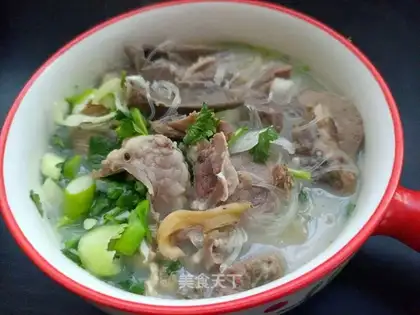
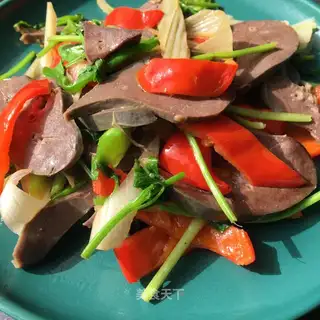
Lamb, a staple in cuisines across the Middle East, Mediterranean, and Asia, is celebrated for its tender meat and rich flavor. While cuts like chops and ribs take center stage, offal—such as liver, kidneys, and lungs—has long been valued for its nutrient density and culinary versatility. Among these, lamb lung, often overlooked in Western diets, is a nutritional powerhouse with a unique profile of vitamins, minerals, and bioactive compounds. This article explores the nutritional value of lamb lung, its health benefits, and important precautions to ensure safe and enjoyable consumption.
Nutritional Value of Lamb Lung
Lamb lung is a lean, high-protein ingredient with a distinctive nutrient composition that sets it apart from muscle meats. Per 100-gram serving, cooked lamb lung contains approximately:
- Protein: 20–25 grams, providing all essential amino acids (lysine, leucine, valine) necessary for tissue repair, immune function, and enzyme production. This makes it an excellent protein source for individuals seeking low-fat alternatives to red meat.
- Fat: 2–5 grams, primarily composed of unsaturated fats (oleic and palmitoleic acids), which support heart health by reducing LDL cholesterol.
- Vitamins:
- Vitamin B12: 3–5 micrograms (over 100% of the daily value), critical for nerve function, red blood cell formation, and DNA synthesis.
- Vitamin A: As retinol, it supports vision, immune health, and skin integrity. Lamb lung also contains beta-carotene, a precursor to vitamin A.
- Vitamin B2 (Riboflavin): Essential for energy metabolism and antioxidant defense.
- Vitamin E: A fat-soluble antioxidant that protects cells from oxidative damage.
- Minerals:
- Iron: 5–7 milligrams (heme iron), which is highly bioavailable and prevents iron-deficiency anemia.
- Zinc: 4–6 milligrams, vital for immune function, wound healing, and DNA synthesis.
- Selenium: 20–30 micrograms, a potent antioxidant that supports thyroid health and reduces inflammation.
- Copper: 0.5–1 milligram, aiding in iron absorption and collagen formation.
- Collagen and Glycine: Rich in connective tissue, lamb lung provides collagen and glycine, which support joint health, gut integrity, and sleep quality.
Compared to muscle meats, lamb lung is lower in calories (around 100–120 kcal per 100g) and saturated fat, making it a nutrient-dense choice for health-conscious consumers.
Health Benefits of Lamb Lung
The unique nutrient profile of lamb lung translates into several health benefits, ranging from improved immunity to enhanced respiratory health.
1. Supports Respiratory Health
Traditional medicine systems, including Traditional Chinese Medicine (TCM), have long associated lung organs with respiratory function. Lamb lung is believed to “tonify the lungs” and alleviate symptoms like dry coughs or shortness of breath. Modern nutrition supports this indirectly: its high content of vitamin A and selenium maintains mucosal membranes in the respiratory tract, reducing susceptibility to infections. Vitamin A also promotes the repair of lung tissue, making it beneficial for individuals with chronic respiratory conditions like asthma.
2. Boosts Immune Function
Lamb lung is a rich source of zinc, selenium, and vitamin B12, all of which play pivotal roles in immune regulation. Zinc enhances the activity of T-cells and natural killer (NK) cells, while selenium supports the production of glutathione, a key antioxidant that modulates immune responses. Vitamin B12 deficiency, common in vegetarians and older adults, is linked to weakened immunity; lamb lung can help prevent this, reducing the risk of infections and autoimmune disorders.
3. Enhances Muscle Recovery and Growth
With its high-quality protein and amino acid profile, lamb lung is an ideal food for athletes and individuals recovering from illness or surgery. Leucine, in particular, stimulates muscle protein synthesis (MPS), aiding in the repair and growth of lean muscle mass. The low fat content also makes it suitable for weight management, as it provides satiety without excess calories.
4. Promotes Healthy Skin and Vision
Vitamin A in lamb lung is critical for skin cell turnover and collagen production, reducing signs of aging like wrinkles and dryness. It also supports vision by maintaining the health of the retina and preventing night blindness. Additionally, vitamin E and selenium protect skin cells from UV damage and oxidative stress, contributing to a youthful complexion.
5. Supports Detoxification and Antioxidant Defense
Glycine, an amino acid abundant in lamb lung, is a precursor to glutathione, the body’s master detoxifier. Glutathione neutralizes toxins, heavy metals, and free radicals, reducing oxidative stress linked to chronic diseases like cancer and diabetes. Selenium further enhances this effect by activating antioxidant enzymes like glutathione peroxidase.
Culinary Uses and Preparation Tips
Lamb lung’s mild, slightly gamey flavor makes it versatile in both traditional and modern cuisine. To prepare it safely and enhance its palatability:
- Cleaning: Soak lung in cold water with vinegar or lemon juice for 1–2 hours to remove impurities and blood. Trim excess fat and membranes.
- Cooking Methods: Boiling, stewing, or grilling are common. Stewing with herbs like thyme, rosemary, and garlic tenderizes the meat and infuses flavor. In Middle Eastern cuisine, lamb lung is often stuffed with rice and nuts (kibdeh), while in Chinese cooking, it may be stir-fried with vegetables or added to soups.
- Pairings: Complement lamb lung with acidic ingredients (lemon, vinegar) to balance richness, and pair with iron-absorbing foods like bell peppers (vitamin C) to maximize nutrient uptake.
Precautions and Potential Risks
While lamb lung offers significant nutritional benefits, certain precautions must be taken to ensure safety:
1. Proper Cleaning and Cooking
Lung is a respiratory organ and may accumulate toxins or pathogens if the animal was unhealthy. Thorough cleaning and cooking are non-negotiable:
- Cleaning: Soak in multiple changes of water, and scrub under running water to remove residual blood and debris.
- Cooking: Cook to an internal temperature of 74°C (165°F) to kill harmful bacteria like E. coli and Salmonella. Undercooked lung poses a risk of foodborne illness.
2. Cholesterol and Sodium Content
Lamb lung contains moderate cholesterol (50–70mg per 100g) and sodium, especially if processed or salted during preparation. Individuals with hypercholesterolemia or hypertension should consume it in moderation (1–2 times per week) and avoid high-sodium additives.
3. Allergies and Sensitivities
Though rare, some individuals may be allergic to offal due to its unique protein profile. Symptoms include hives, digestive upset, or anaphylaxis. Those with new-onset allergies should disuse consumption and consult a healthcare provider.
4. Purine Content
Lamb lung is moderate in purines (150–200mg per 100g), making it unsuitable for individuals with gout or kidney disorders. Purines break down into uric acid, which can trigger gout flares or worsen kidney strain.
5. Sourcing and Quality
Choose lamb lung from reputable suppliers to ensure the animal was raised in hygienic conditions and free from antibiotics or hormones. Organic or pasture-raised options are preferable, as they reduce exposure to toxins.
Conclusion
Lamb lung is a nutrient-dense, underutilized ingredient that offers a wealth of health benefits, from immune support to respiratory health. Its high protein, vitamin, and mineral content makes it a valuable addition to balanced diets, particularly for those seeking low-fat, nutrient-rich foods. However, proper preparation, cooking, and moderation are key to avoiding potential risks. By embracing lamb lung as part of a diverse, whole-foods diet, consumers can unlock its culinary and nutritional potential while honoring traditional food practices. As interest in nose-to-tail eating grows, lamb lung is poised to transition from an overlooked offal to a celebrated superfood.