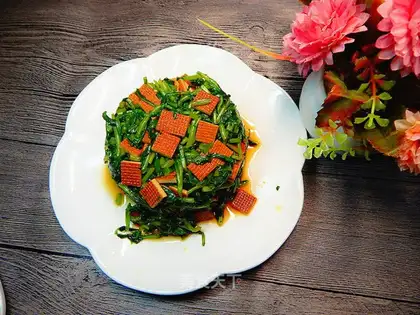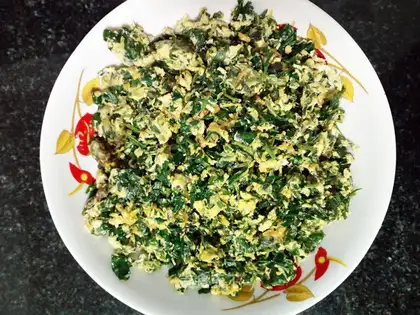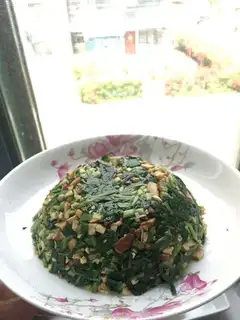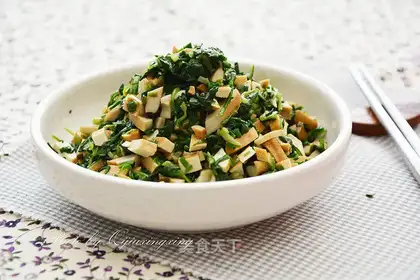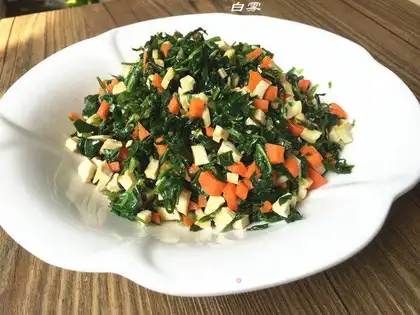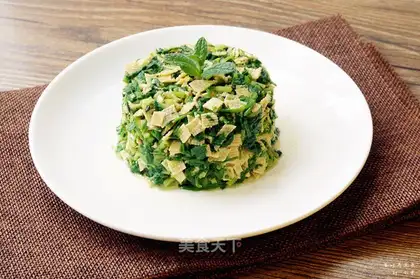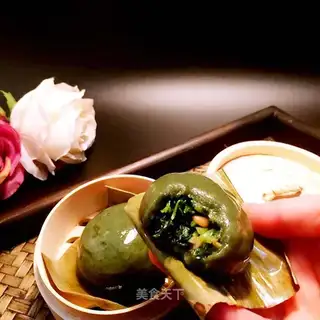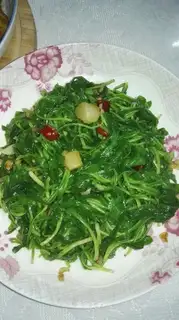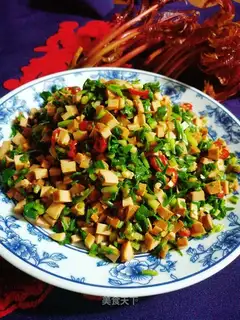
ACRONYMS: CHRYSANTHEMUM, CASCADIAN, BAMBOO WEEDS, MALANJURE, CHRYSANTHEMUM, CHRYSANTHEMUM, CHRYSANTHEMUM, CHRYSANTHEMUM AND CHRYSANTHEMUM: PREGNANT WOMEN EATING CAREFULLY. BASIC INTRODUCTION: THIS IS THE WHOLE GRASS AND ROOT OF MARAN, THE PRISTINE PLANT, WHICH HAS BEEN PRODUCED OVER THE YEARS, AND IS FOUND ON THE SLOPES, ON THE EDGES OF THE FIELDS AND ON THE SIDE OF THE ROADS, THROUGHOUT THE COUNTRY. THE STEM IS STRAIGHT, SOMETIMES SLIGHTLY RED, WITH ROUGH SURFACES AND SHORT HAIRS ON BOTH SIDES, AND IN THE SPRING IT IS TAKEN OUT AS VEGETABLES. IN SUMMER AND AUTUMN, WEEDS ARE COLLECTED, WASHED, FRESH OR DRY. EFFICACY AND EFFECT: GAN, FLAT, COLD, CLEAN. HEATING, ANTI-INFLAMMATORY. IT APPLIES TO SEPSIS, SUCH AS HAEMODIA, ACUTE HEPATITIS, THROAT, TONSILITIS, MUMPS AND BREAST. NUTRIENT VALUES: MALANHEAD LEAVES CONTAIN MOISTURE, CALCIUM, PHOSPHORUS, IRON, CARROTS, POTASSIUM, VITAMIN B, NICKRIC ACID, ETC. STORAGE: KEEP IN THE COOL AIR. FOOD METHODS: COOKING CAN BE MATCHED WITH A VARIETY OF HERBICIDES, BUT HEATING DOES NOT TAKE LONG AND SPEEDS ARE GOOD. FOR COOKING, THE BASE OR PERIMETER MAY BE USED AS A CUSHION. FRESH RED INCUBATION OF THE ROOT OR WHOLE GRASS, WASHING OF THE CUISINE, FLUSHING IT WITH WARM WATER, OR COOKING IT IN LARGE QUANTITIES. SHELLED DUCK EGGS ARE ALSO COOKED WITH MARAN HEADS, AND THEN THEIR SHELLS ARE BOILED TO DUCK EGG COLOR AND EGGS AND SOUP。
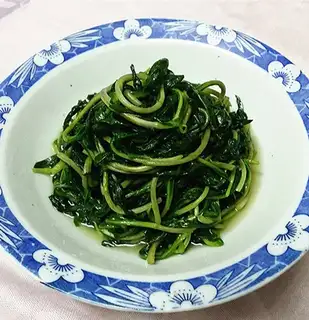
Nanjing is particularly fond of grass, more of the term “Nakings don't eat well, a sip of rice”; wild vegetables are among the most interesting in Nanjing markets during this season, such as artemisinin, veggies, maran, assholes, etc. Why do Nanjing like to eat wild vegetables more than home food? Experts say firstly that it has a unique flavor and aroma compared to home food, and that most of Nanjing’s favorite wild vegetables have a medicinal value, such as Nanjing’s favorite daisies, maran head, etc., have a cooling effect. Maran heads, alias Maran, red infarction, chicken intestines, field daisies, chrysanthemums, and so forth, are multi-year herbs. Maran headland is a wild species born on the edge of the road, on the fields, on the slopes, and is distributed over most of the country. Maran heads are both red and blue and can be eaten, and medicines are used to make good use of red maran heads. There are also places where the habit of eating cold food is maintained because of the combination of the festival and the festival. Eating fresh vegetables at Maran's first class in Zhejiang takes the word “green” to fit “green”. Malan: Clean and fresh in spring and summer, and clean and dry in summer and autumn. with whole grass or root. Young upper leaves can be eaten as nutritionally healthy vegetables. They can be fried, mixed or made with soup, fragrance and nutrients. The practice of picking Malan in the spring has long been common throughout the country. Maran heads are suitable for the population: normal people can eat, but pregnant women are careful. Malan-head therapeutic effects: diarrhea, sexual irritation; liver, stomach, pulmonary dysentery; effectiveness of haemorrhagic control, hysteria, venom and osteoporosis; primary treatment of vomiting, haemorrhage, leaking, purple flu, traumatic haemorrhage, yellow flu, diarrhea, oedema, oedema, cold, cough, larynx, haemorrhage, diarrhea, diarrhea, diarrhea, diarrhea, diarrhea。
Maranheads, also known as Maran, red infarction, chicken intestines, daisies, chrysanthemums, and so on, are herbivate plants of many years. Maran headland is a wild species born on the edge of the road, on the fields, on the slopes, and is distributed over most of the country. Maran heads are both red and blue, and because of the combination of the cold season and the Qingming festival, only Maran heads before the dawn are the best. After the Qingming and the Maran heads, there will be a great difference in the taste of their mouths。