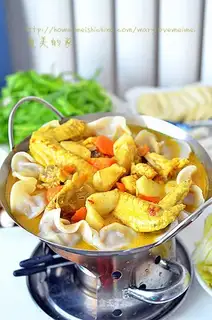
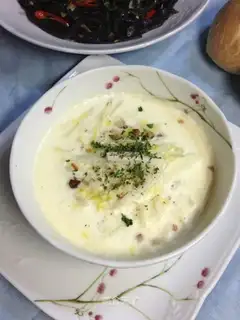
The term “curry” is derived from Tamil and means “many spices are cooked together”. The curry that comes from a variety of spices has a special aroma, and when making chicken beef, I always put on a little bit of spicy, irritating special appetizers, and the curry in my fabric is a routine, saying that I'm not too much of a curry control, and that I often buy new curry in the fridge when I'm finished, and then I use it to make fried rice, and when the food is covered or the stew is loose, my family's appetite increases. It's the first time that you've eaten curry and tried the hot pot. For those who love curry, this curry-coated curry chicken is filled with dumplings full of curry sauce。
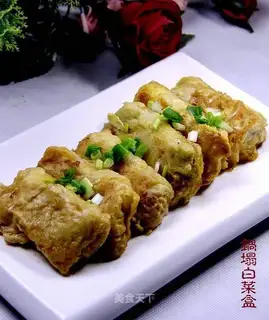
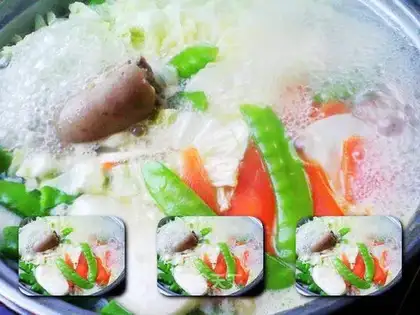
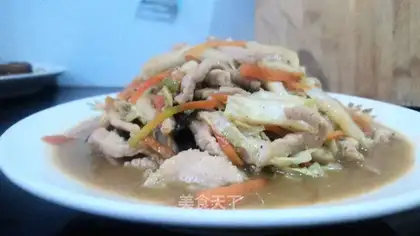
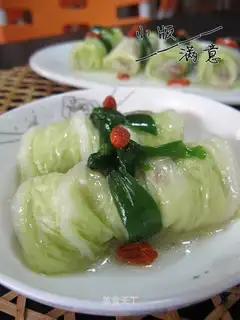
Big cabbage, used to be a Chinese winter homeseeker. In Beijing 30 years ago, the winter home, after saving cabbage, was radish and potatoes. At that time, the vegetables in Beijing during the winter, though monotonous, had also created a number of delicious practices, such as vinegar cabbage, casseroles, mustards, cabbage, and cabbage with cabbage, which can be eaten for a winter until spring. To this day, the Beijing people have had a long time for cabbage, and eating it in winter is neither nutritious nor a fire, and the old people have often said that radish is safe, meaning that it is healthy and harmless to eat these two vegetables often, so they used to call it the king of the vegetables. Today, an old Beijing-style dinner meal with cabbage is called the "Coop Crushing Book". The title was called improved kyochi because it was made with a few beryllium oils, which were added to its freshness, the traditional practice being that there was no beryllium oil, 30 years ago there was no beryllium oil in Beijing, and all the foods in restaurants were salt, sugar, pepper noodles, rice vinegar, soy sauce, odour, plus cooking oil, which was now known as odour. Thirty years ago, in a restaurant, restaurant or restaurant in Beijing, when high-quality dishes were made, the only way to make them taste good was to use high soup, milk soup or bone soup. This boiler collapsed the cabbage box as follows:
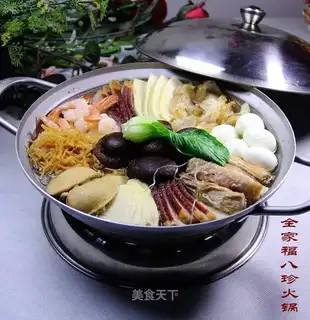
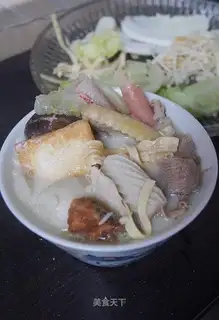
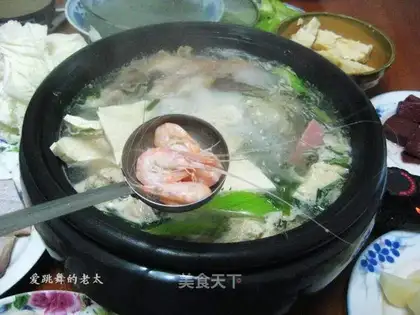
In the northern part of the country, the practice of winter-to-post-fire pots has existed since ancient times. The hot pots are divided into a wide variety of categories, ranging from meat pots to pry pots to pyre pots, cuisine pots and cinnamon pots. According to historical records, after the winter war, the three soldiers are rewarded with this food, and the soldiers burn the water with a large pot, then sit around a dozen or 20 people, and start a big piece of meat with a hot and extraordinary amount of meat. The generals and the successful Batulus sit in Genghis Khan's hands, ranging from three or several people in rank to a small to one foot in diameter to a small copper pot of three feet in diameter. Baturu means that Genghis Khan has the highest reward for the men who have been able to fight, and that he has personally given his title and honor belts to him. Of course, the gold and silver treasure women and their cattle and sheep are essential. The presence of Genghis Khan at the table, who himself toasted them and in some cases was also served by the princess of the Khan, was a higher prize and treatment. This way of eating the hot pot was introduced into Beijing in Ming Dynasty and later prevailed in Qing Dynasty, where the Fukis, who were married to most of the princes, came from the Mongols and almost all of the Qing Dynasty's home was equipped with purple and roasted pork. The “chrysanthemum pot”, which is popular in the late days of Qing Dynasty, is a fire pot of the same kind as the seafood river and poultry, and is used to clear the fire with the sole use of red meat, only of poultry and seafood, which the Queen Mother of Mercy prefers most. The chrysanthemums are chosen with white and fresh chrysanthemums, each of which symbolizes nine and a half, three seconds when they need fresh chrysanthemums, and some north-east sorghums. The soup in the pot is served with fresh chicken soup, with some grub. These two are food pots. The “torture pot” is usually made by Taipei Hospitals, which produce the formula. There's a lot of squares, and they're usually set up on time and in order to feed. When it's done, the mains, such as meat, are boiled to the table, the vessels are packed with a layer of pans, the boiler is injected with hot open water for a long time, the base of the pots is free of charcoal, the people are changed to alcohol-preserve pots at the beginning of the day, the copper pots are put on the table for longer periods of warmth, the soups in the pots are kept at 78 degrees, because the materials are prepared in advance. It is also called the Eight Precious Hotpot or the Family Hotpot, which usually contains four food items of each of the eight Precious Mountain or Sea Precious, which is called the Eight Precious Pot and is known as the Family Precious Hotpot when eating. The food in this pot is also prepared in advance, in which the pre-cut material is put together in good soup, which tastes good, and the young and old sit around and enjoy it, so it is called a family pot. It is also a pot that is free from fire, which is the same as a boiler, except that the contents are well prepared. Today's production is the “Face of the Family” Hotpot, which is very simple but requires good food and soup, as follows: