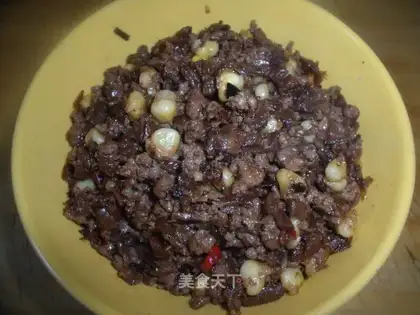
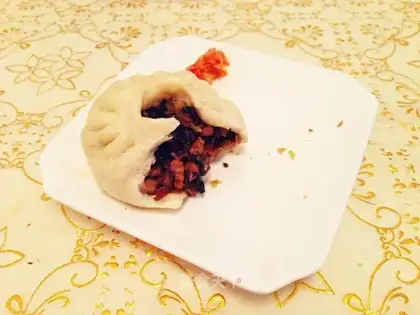
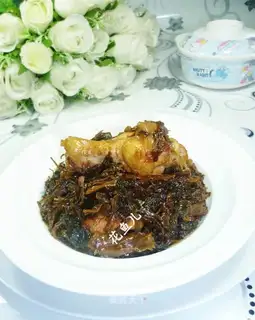
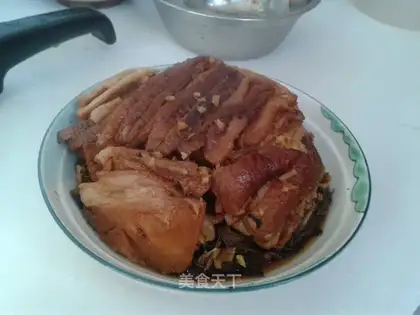
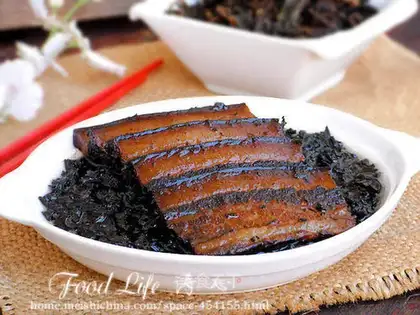
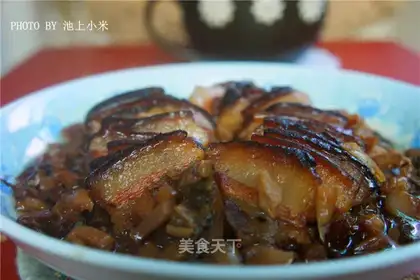
Especially when I was a kid at the rural dam, and it was white, but it was usually with elbows, cut like tofu. And it continues, but ate it with chopsticks, it was so light that it could be greasy, oiled and smelled like pickles. In contrast to this, it tastes similar, mainly because the process is not so complicated, so it's often done. The pickles are made by the mother-in-law at home, and she has to bring a large bag of them every time she comes home。
And if I asked, "Have you ever tanned a prune?" And maybe a lot of people have seen it too. And if I asked, "Did you hit the weed when you were a kid?" I wonder if anyone would answer "Yes." I was born in the countryside, and when I was little I experienced it. Previously, in rural areas, plum foods used to be made in the past, which could be a traditional pasturage, which became routine when people were living better and better. Now there are many practices of plumbing, and in the ones I have seen, rural practices are the easiest, and in my memory they taste the best. Maybe it's because the meat smells so good in the countryside, and maybe it's because the tan is so sweet. This time, I brought some cuisine, which my father made from the snow, and when I came home, I made a cuisine to latched meat, which was still the simplest thing for Mom, without honey, without pig skins and without too much sauce。
The salt and white is one of the distinctive dishes in the canteens, and cooking techniques are mainly evaporated and taste is salty. This road dishing practice is very similar to “mechanic meat” in Hue County, Guangdong, and “meal meat” in the Gangnam region, with differences in formulations. The main ingredient in salty and white is the sprouts of rice, which are the specialty of Sichuan Ibei, which is known for their quality, salt and sweetness, and their adornment, which adds to the special taste of the fragrance, while in Guangdong Huai, “plum cuisins” are made of prunes, which are more salty, and in other areas, which have a slightly different taste。