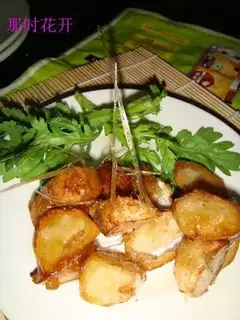
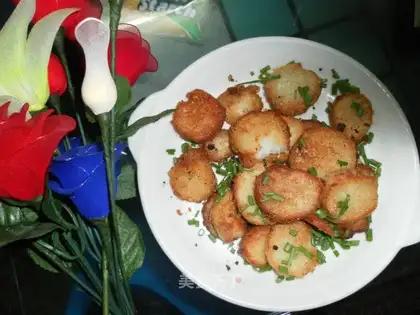
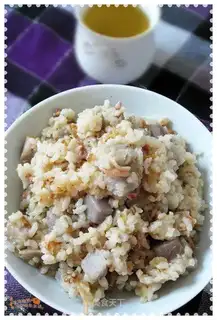
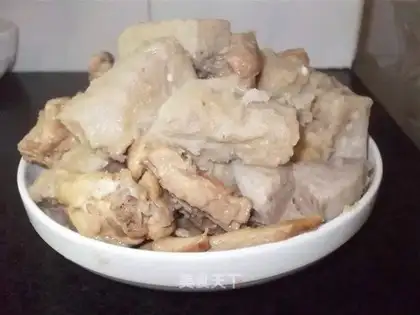
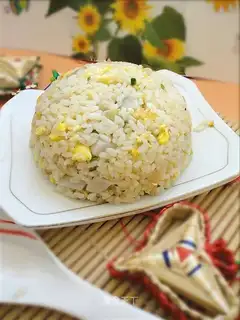
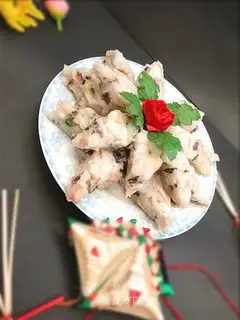
Pulled taro Taro has a high nutritional value. The starch content in the tubers reaches 70%. It can be used as both food and vegetables. It is a tonic for all ages and young. It is a treasure of vegetarian food in autumn.
Braised chicken with taro Taro is rich in nutrients and contains a large amount of starch, minerals and vitamins. It is both a vegetable and a grain. <br />Edible for general people<br /> However, people with allergies should eat less; children should also eat less, which is difficult to digest.
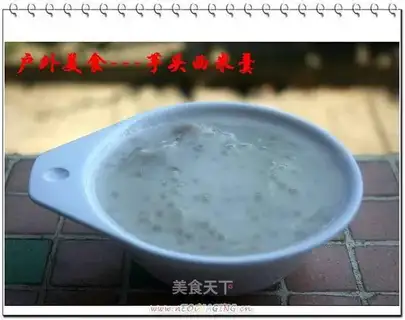
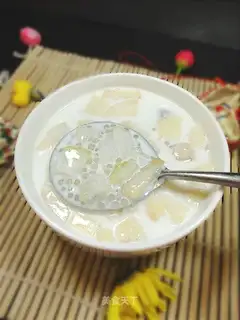
taro and sago soup When you have time during outdoor activities, you can also brew some sugar water and drink it. We must not treat our stomachs badly when resting and playing. Today, this sugar water is also simple and easy to make, and I will introduce it to everyone ~~~
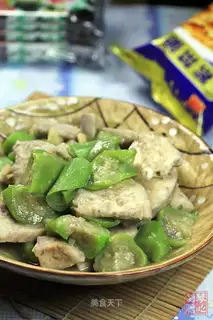
Braised taro with water melon Water melon is a kind of loofah. The Cantonese call the Wulin loofah water melon. "Water melons beat dogs-I don't see the sweet cut (missing a piece)", a Cantonese allegorical saying that expresses the folk foundation of water melons. Water melons are not "delicate" at all, do not require special care and fertilization, and do not have a specific growth location. In the past, people even planted them in front of and behind houses at will, which is a sight. This phenomenon is difficult to find now, but water melons have never left the dining tables of Cantonese people. Zhongshan is a Shatian area that is rich in water melons and taro. Although taro is not as famous as Lipu taro in Guangxi, its taste and taste are quite good. Farmers here like to cook water melons and taro together. The taste is very compatible. I don't know who invented it, hehe.