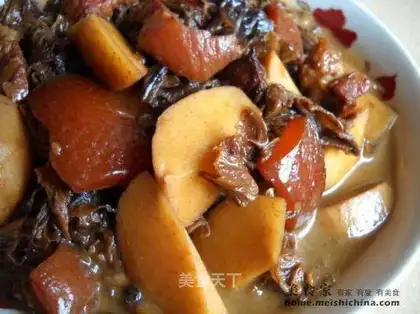
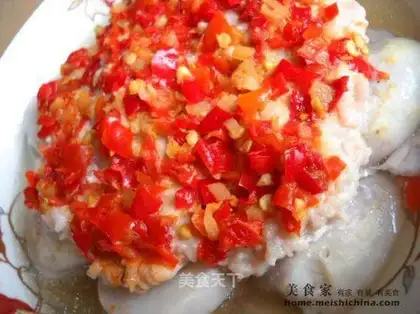
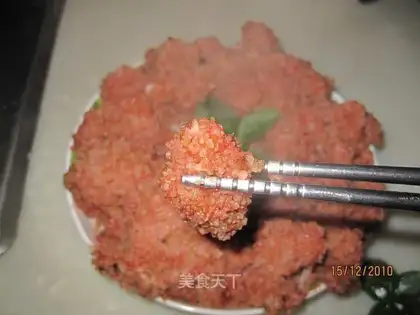
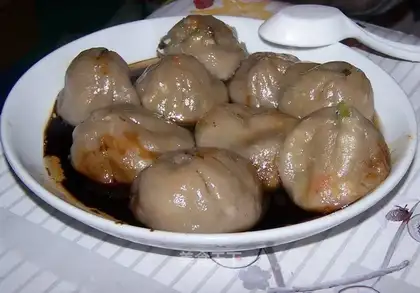
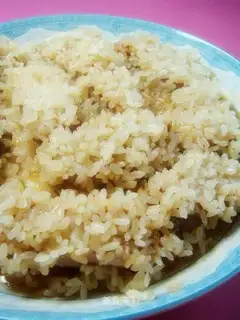
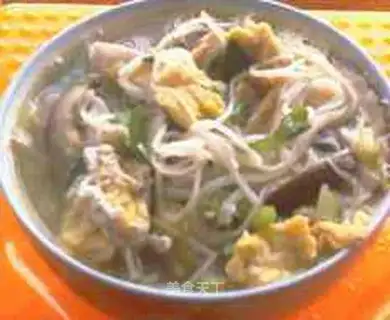
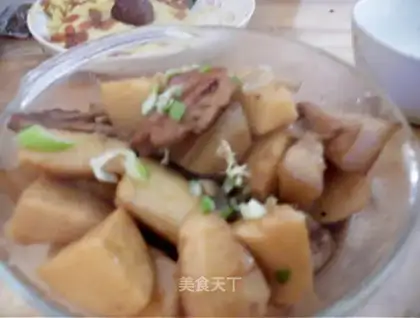
Dried plum vegetables are oily and dark, have a mellow aroma, unique aroma and delicious taste. Dried plum vegetables are often used to steam, stew in oil, and make soup. Eating them can relieve summer heat, clear the viscera, and appetizing. <br /><br />Taro is rich in nutrients and contains a large amount of starch, minerals and vitamins. It is both a vegetable and a grain, and is deeply loved by people. After stewing, the taro will make the soup thicker, and the taro will easily absorb the soup of other ingredients, making it better to taste.
Taro is sweet and pungent in nature. It has the effects of nourishing the stomach, broadening the intestines, relaxing the bowels, detoxifying, replenishing the middle and nourishing the liver and kidney, swelling and relieving pain, nourishing the stomach and strengthening the spleen, resolving masses, regulating the middle qi, phlegm, and adding lean and refined marrow. <br /><br />Taro is rich in nutrients and contains a mucus protein that can produce antibody globulin after being absorbed by the body, which can enhance the body's immune function. <br /><br />Taro is an alkaline food that can neutralize acidic substances accumulated in the body, adjust the body's acid-base balance, and have the effects of beautifying and blackening hair. It can also be used to prevent and treat hyperacidity.
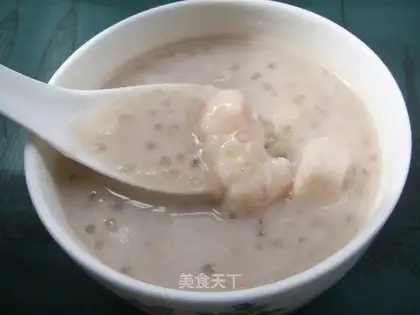
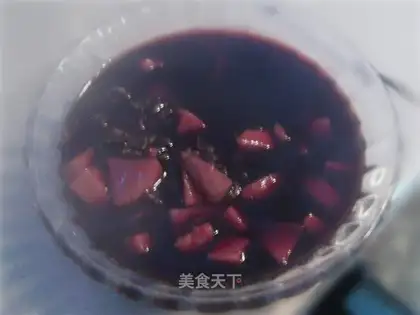
Autumn and winter are the best seasons to eat taro. At this time, the taro is sweet and fluffy. Whether it is served in vegetables or made snacks, it is very delicious. Moreover, taro is rich in nutritional value. As an alkaline food, it can neutralize acidic substances accumulated in the body, adjust the body's acid-base balance, and produce the effects of beautifying and beautifying hair and blackening hair. <br />Traditional Chinese medicine believes that taro has the effects of stimulating appetite and promoting fluid, relieving inflammation and relieving pain, replenishing qi and kidney, and is an ideal ingredient for autumn tonic. Today, taro and sago were used to make a very common and famous dessert in Guangdong: taro sago. Drinking such a sweet and smooth dessert in the cold weather is also a very warm and comfortable thing.
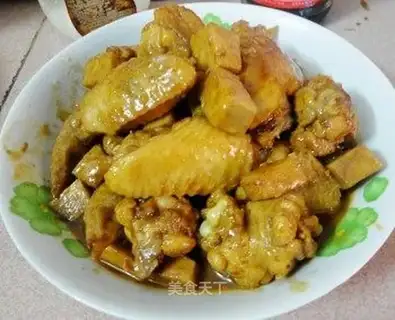
Rich in nutrients and contains a large amount of starch, minerals and vitamins. It is both a vegetable and a grain. It can be cooked, dried or powdered. Since the starch particles of taro are small, only one-tenth of that of potato starch, its digestibility can reach 98.8%. In terms of taro processing, taro powder and taro paste fillings can be made into for extended storage. Taro can also be used as an ornamental plant similar to vines and evergreen. There are about 100 different types of taro; some are oval shaped like sweet potatoes, while others are mostly round. Taros have fewer strange shapes than other tubers. Taro can grow to 6 feet tall and have broad leaves; however, buds are edible after being scalded in boiling water. However, leaves and buds are of lesser use in Western markets. The tubers are dark brown, the outer skin is circular and quite rough, and there is hair on it. The flesh is white, off-white and purple-gray, and some have pink or brown textures. <br /><br />I grew this taro myself... Hehe...