Beijing cuisine
VicentaLakin
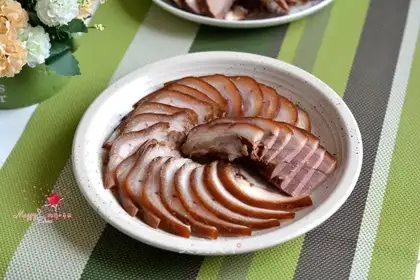
It's Beijing's favorite. It's a thousand people. It's not real. It's just my family's. It's easy to pick a bone with a pig's elbow. The bone can make soup, shave the fur on the skin, and it's cooked in the soup. Why are you calling it an elbow? Because of the traditional soy elbow, a small bowl of butter soup was put into the pot, so the elbow smelled like sauce. Now there are a lot of kinds of fabric that you can choose for yourself. Like my elbow with the sauce, it'll put two pieces of rosy milk in Beijing and half a bowl of custard in soup. The elbows that come out of the sauce are red, and the smell of rotting milk is especially delicious. The so-called old soup is simple, it's for the last soup, it's for the next meal, and so often, there's a part of it. But each time, they have to change their soup and make new food. If the spices are not recovered in the old soup, they will be used in a short time and the refrigerator will be frozen and stored in a long time. Peking people like to eat their elbows cold, sliced, salty enough to eat them directly. The more the elbows are addicted, the less the fat, the more they smell。
VicentaLakin
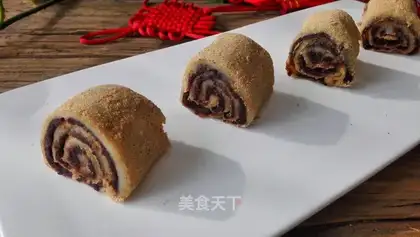
Ass rolls, Beijing rolls, one of the oldest varieties in Manchuria and Beijing snacks. Manchuria is usually called a bean roll. It's yellow, white, red and bright. Its raw materials are evaporated with yellow flour and slightly more water and softer on the surface. And then the soybeans are cooked and rolled into flour. It is made with soybeans paste on the outside of the evaporated melancholy, and then with red soybeans (which can also be used for red sugar) rolled together, sliced into small pieces and covered with white sugar. Production requires a flat, stylized, yellow appearance, characterized by aroma, sweet, sticky and rich soybeans. The donkey rolls out of Manchuria, from Chengde, and is based in Beijing. As the Qing Dynasty's eight-flags love to eat sticky foods, the donkey rolls quickly to Beijing and becomes a tasteful snack in Beijing. Since ancient times, the Hyde region has produced a form of rice. This rice, sexual viscos, is called yellow rice, which can be cooked, or crushed to make bean buns, casseroles and “ass rolls”. Adhesive eating is a tradition of the Manchurian people, who often return early and late in their hunting lives and eat adhesively hungry. "A donkey rolls" is a popular snack that evolved from a sticky diet more than 200 years ago. The donkey was passed through Beijing to Tianjin and became one of the traditional snacks of Beijing and Tianjin. Why do you call "ass rolls"? It seems to be an image that is then rolled over the soybean face, like the tumbled ground that rises when wild donkeys roll around in the suburbs, and is thus known as “ass rolls”. The raw materials of the donkey rolls are maroon noodles, soybean noodles, scabs, sugar, perfume, cinnamon, red silk and melon bean. The well-made “ass rolls” is full of bean noodles, gold, sweet beans, soft entrances, fragrances, bean bean bean pentips, sweetness, sweetness when the soybeans enter their mouths, fine tastes the best, and the best is the traditional taste of old and old. All the snack shops are now supplied for four seasons a year, but most of them have been converted from yellow to red, because the colour of soybean flour is still yellow and is a very popular snack. At the special spring festival, there must be supplies in the market, and traditional snacks are very old. Ass rolls look complicated, and it's very simple to actually do it, and the traditional practice is to get veggied and make soybeans. Now that the electrics are so well developed, they can do it at home in a few minutes with a microwave。
VicentaLakin
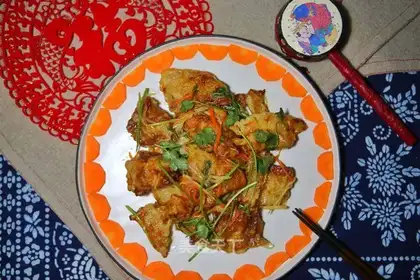
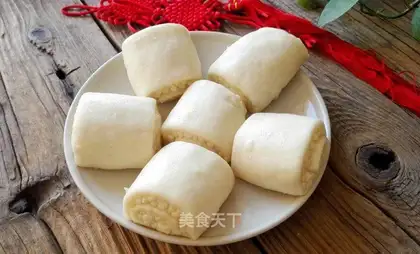
Silver rolls are famous snacks for the Gyeongjin region. Silver rolls are well known for making fine, fine-covered silk. In addition to steaming, the oven can be baked to yellow, and it also smells good. Always serving as snacks for parties. Silver silks are white, creamy, soft and sweet, soft and oily and infinity. Silver rolls are steamed and then blown. Silver rolls are now very difficult to see in many places, but supermarkets can buy them cold. Silver rolls are very skillful in terms of their production, and they represent a fine craftsmanship. The traditional practice is to have two separate sides, and skin and silver silk are distributed in two separate parts, as the ratio of raw materials is slightly different. The point is that silver silk is a very thin noodle made by the noodler, and it's veggied and it looks like silver silk. It's usually an elliptical platinum that grows outside and wraps in oily thin silk. It's hard for families to produce the kind of work we do, so we can copy this classic snack in a simpler way. And the other key point is that, in order to save time, one fermentation method is used, which is to make a noodle directly after rubbing it, to make it directly, to ferment once, to steam on the pot, to save twice the time, and to make sure that it doesn't turn back like a double ferment. The finished product is also soft, the milk is fragrance, and the silver roots are clear and incoherent. Breakfast and dinner are good
VicentaLakin
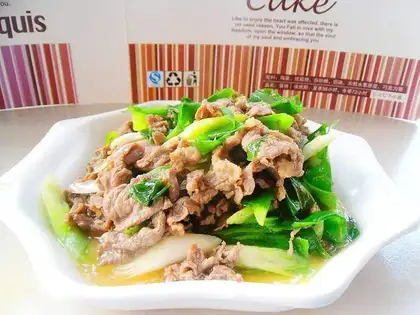
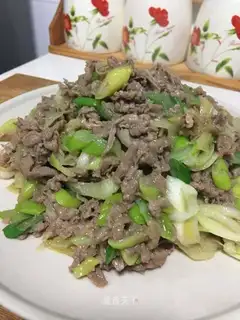
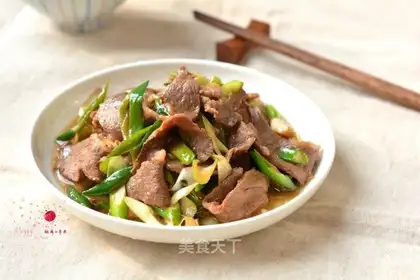
Winter loves lamb. The big water dumplings of lamb meat, the big steam packs of lamb meat, as well as lamb roasted meat, roasted lamb legs, stewed sheep's feet, white watered sheep's head, lamb's soup ... And the simplest thing is that the onions blow the lamb. Onions of lamb, it can be seen by name, and the protagonists are the lamb and the big onions. Yeah, that's it. Garlic, ginger, chili, whatever. It's good, but not real. But then again, culture is integrated, not to mention the cooking. Breaking tradition, you like it, you don't care! Now, there's innovation in all walks of life, so it's the lamb that you like. I'm gonna take my onion and blow the lamb today or the old way. The old smell is always nostalgic. The onions are slashed to silk, and when they come out of the pot, they're spicy, and they're bulging. It's a little sticky. It tastes good. Especially the last soup, a spoonful of rice, so much rice