Frying an egg is a simple yet versatile culinary skill, perfect for breakfast, lunch, or dinner. The key lies in mastering a few techniques to achieve your desired texture—whether it’s runny, set, or crispy. Here’s a step-by-step guide to cover all styles.
### Classic Sunny-Side Up
For a perfectly runny yolk, start with a non-stick skillet over medium-low heat. Add a teaspoon of butter or oil, swirl to coat, and crack the egg directly into the pan. Cook undisturbed for 2–3 minutes until the whites are set but the yolk remains jiggly. Season with salt and pepper, and slide onto a toast.
### Over-Easy for Half-Set Yolks
To flip the egg without breaking the yolk, wait until the whites are mostly set (about 2 minutes). Gently slide a spatula under the egg, flip quickly, and cook for 30 seconds more. This gives you a runny yolk with lightly set whites.
### Over-Hard for Fully Cooked Eggs
Follow the over-easy steps, but cook the flipped egg for 1–2 minutes until the yolk is firm. Ideal for those who prefer no liquid.
### Extra-Crispy “Basted” Style
For crispy edges and a jammy yolk, add a tablespoon of water to the pan after the egg cooks for 1 minute. Cover and steam for 1 minute, then uncover and cook until the whites are browned and crispy.
### Tips for Success
- Fresh eggs have firmer whites, holding their shape better.
- Low heat prevents burnt edges and runny whites.
- Seasoning at the end avoids toughening the egg.
Whether you like it sunny-side up or crispy, these methods ensure a perfect fried egg every time. Enjoy it plain, with avocado, or as a topping for rice or noodles!
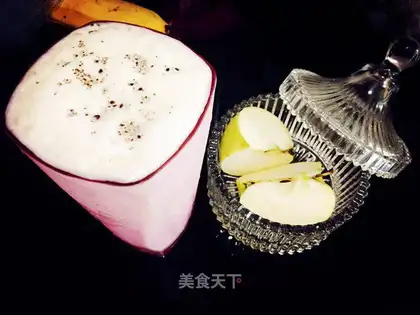 Banana shake"
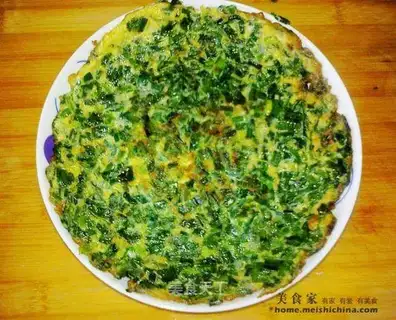 Fried egg with leek"
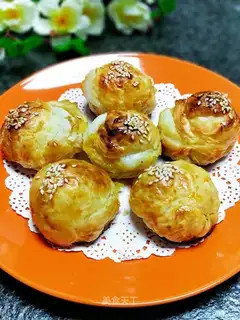 Roasted soup"
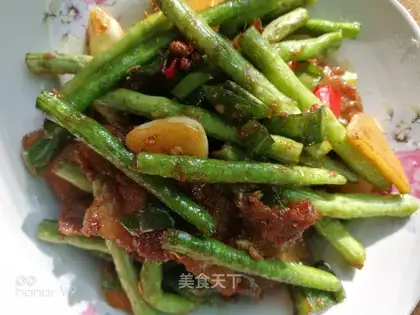 Spicy beans"
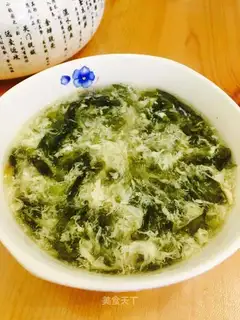 Soup"
Soup"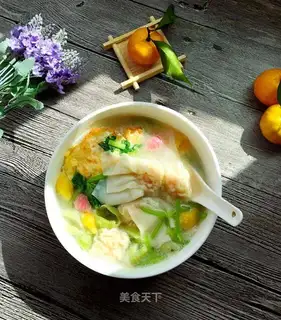 Vanquished conch"
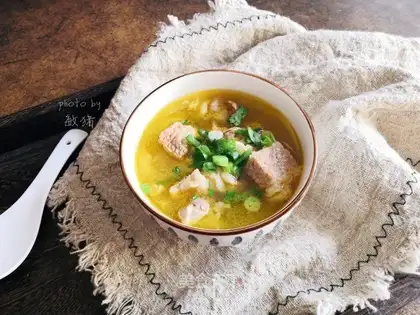 Sour beef"
 Roasted pastry and beans"
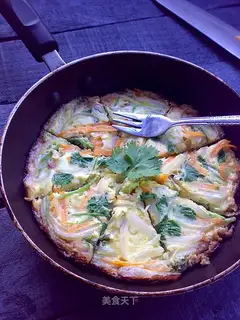 Onion fried eggs"
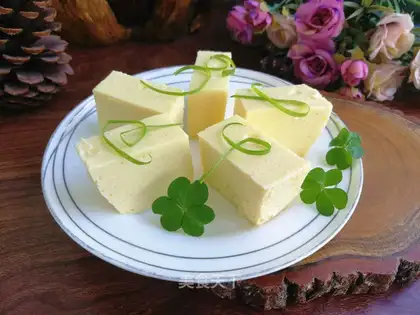 Homemade Okja Tofu"
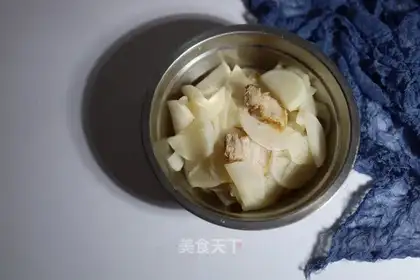 Five flowers for radish"
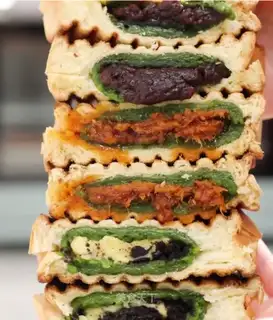 Qingcheng sandwich"
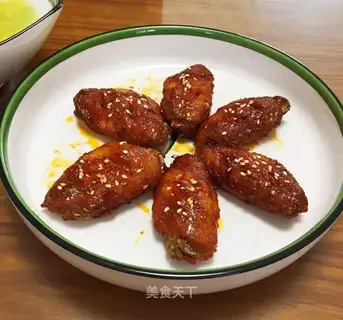 Orléans roast chicken wings"
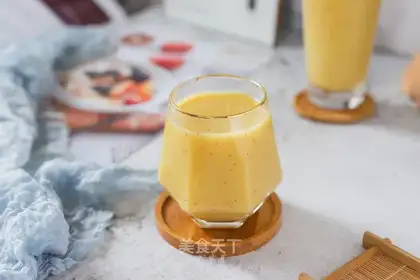 Red-tree pumpkin milligram"
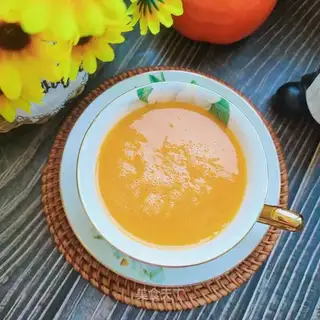 Mango tomato juice"
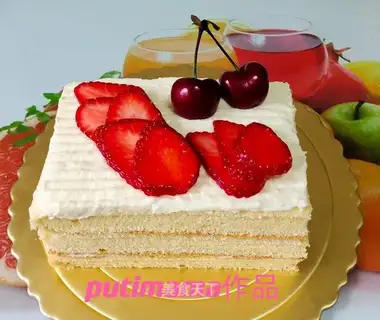 Multi-layer fruit cake"
 Sea cucumbers"
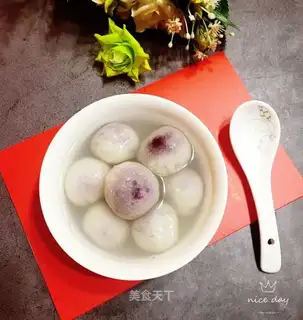 Potato soup"
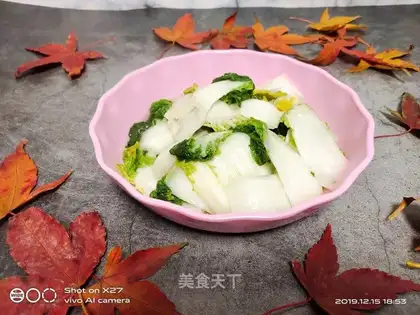 Sour cabbage"
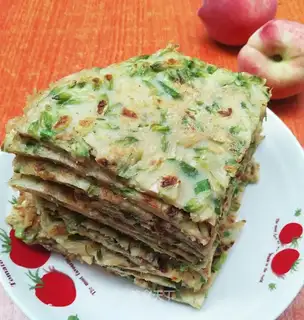 Fried burrito"
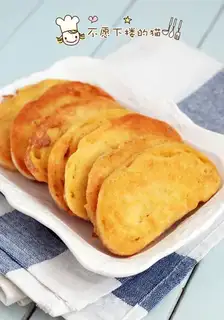 Eggs fried head"
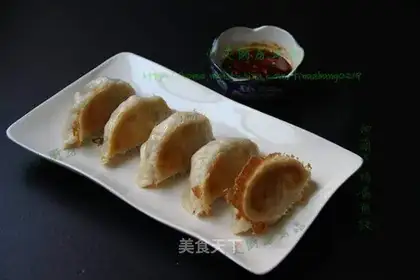 Squirt eggs"
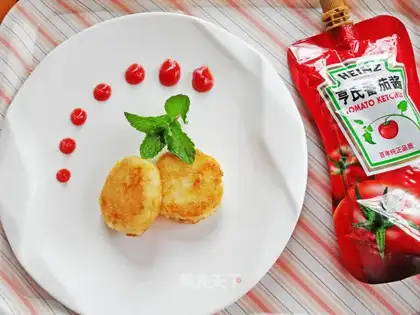 Eggcake"
 Egg milk fryer"
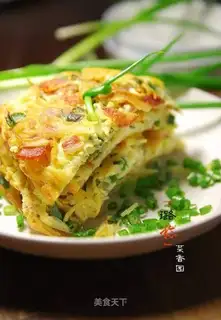 Pan-fried egg cake with shredded potatoes"
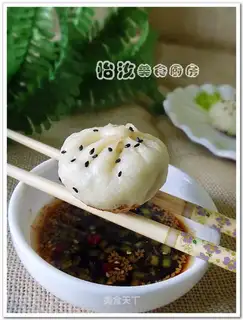 Fried buns with leek and egg"
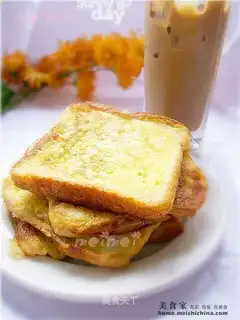 fried bread with eggs"
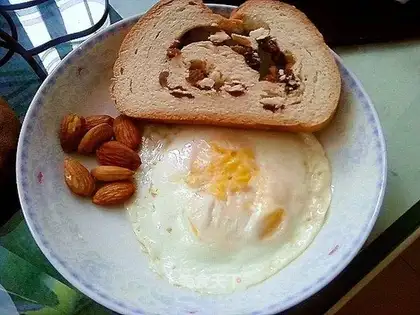 Fried eggs in the microwave"
 Beef intestines"
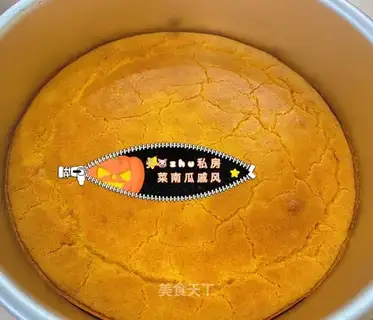 Pumpkin yogurt cake"
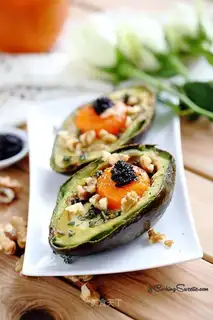 Caviar butter and fried eggs"
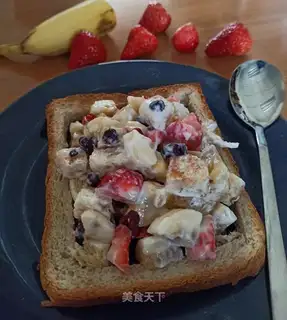 Yogurt-fruit toast"
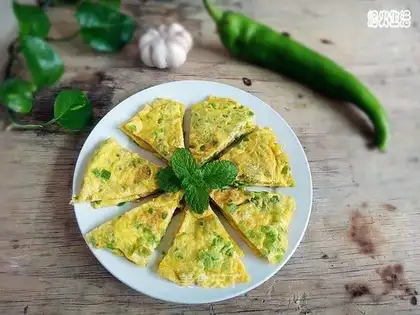 Pancake eggs"
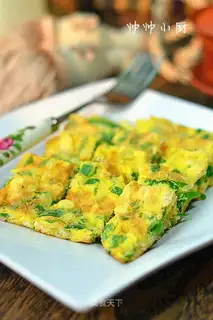 Shrimp leather fried eggs"
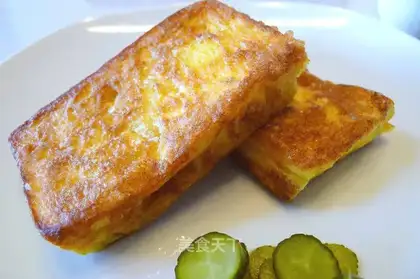 egg crispy"
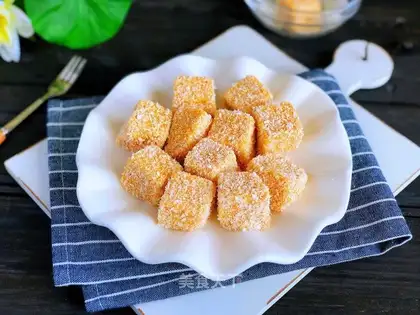 Pumpkin"
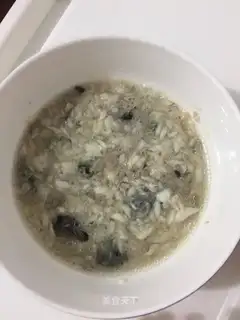 Slurpfish"
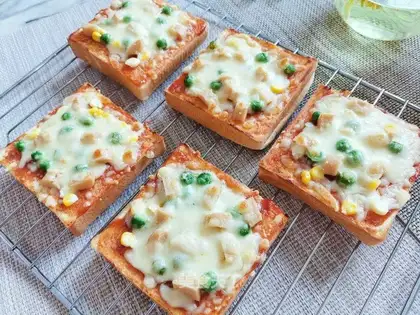 Toast pizza"
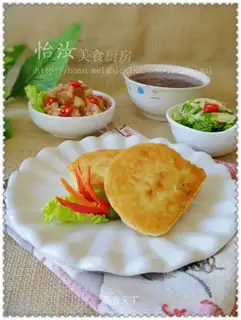 Eggs fried bun breakfast"
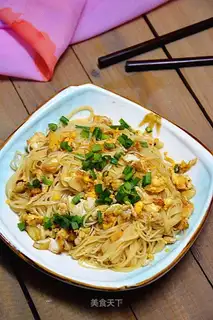 Egg noodles"