The 23rd day of the 12th lunar month, known as "Xiao Nian" or the Little New Year, marks a cherished traditional festival in China, centering on the worship of the Kitchen God, Zao Jun. This day, usually falling in late January or February, ushers in the official countdown to the Spring Festival, filled with rituals, family reunions, and joyful anticipation.
According to folklore, the Kitchen God returns to heaven on this day to report the family’s deeds to the Jade Emperor. To ensure a favorable report, families prepare offerings like sticky sweets (such as candy or malt sugar), sweet cakes, and fruits. These treats are meant to "seal the Kitchen God’s mouth," hoping he speaks only of the family’s goodness. Some smear honey or malt sugar on his lips, symbolizing sweetness and harmony for the coming year.
After the ceremony, the old paper image of Zao Jun is burned, sending him to heaven, while families begin thorough house cleaning, sweeping away bad luck to welcome prosperity. This "sweeping the dust" (sao chen) ritual signifies a fresh start.
Xiao Nian is also a time for family feasts, where dishes like dumplings, fish, and sweet rice cakes are shared. Laughter and chatter fill homes as relatives gather, reinforcing bonds. For children, it means new clothes and treats, adding to the excitement.
More than a ritual, Xiao Nian embodies gratitude, hope, and the warmth of family. It bridges the past and future, reminding people to cherish kindness and unity as they prepare for the grand celebration of the Spring Festival. This age-old tradition continues to thrive, keeping alive the spirit of cultural heritage and joyous renewal.
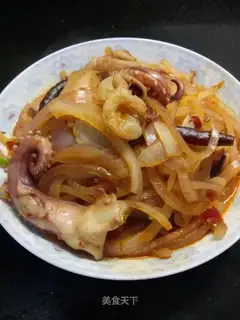 Squirt"
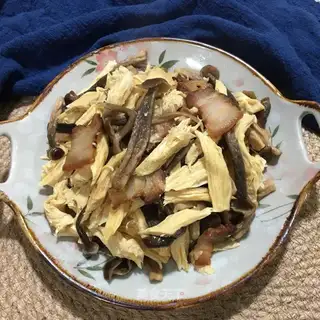 Scrambled veggie mushrooms"
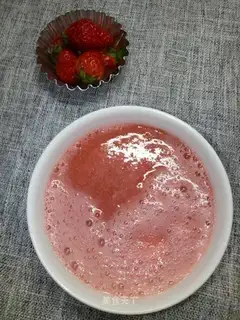 Fresh strawberry juice"
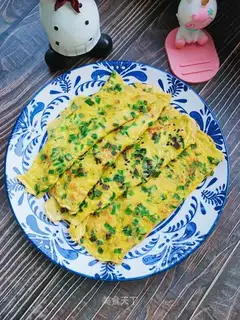 Cream eggs"
 Five grains of soy milk"
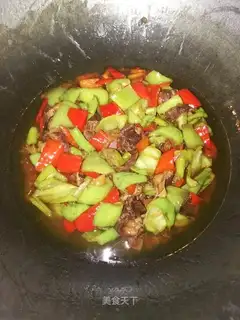 Twin peppers, fat and fat"
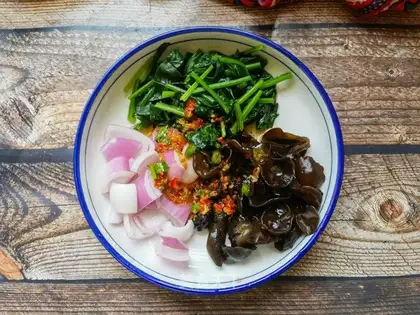 Spinach moored onions"
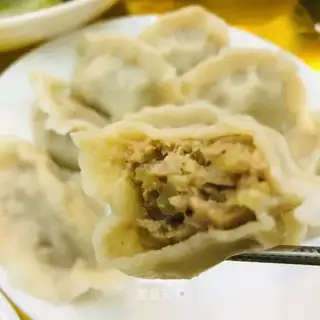 Watermelon"
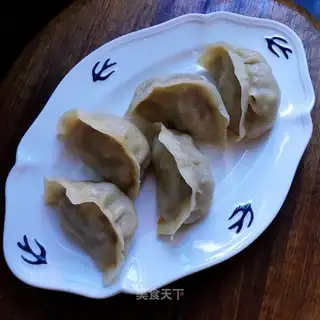 Carrot beef steam"
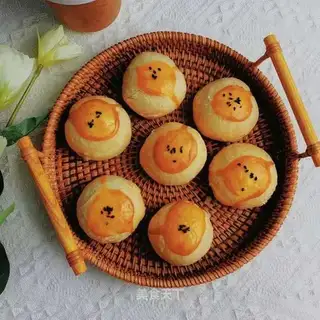 Plum casserole"
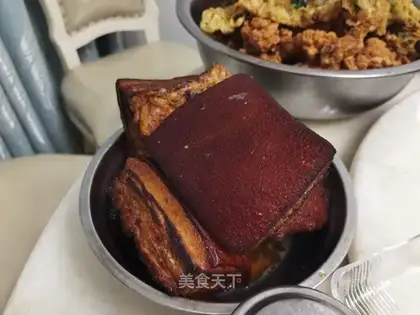 Fried meat"
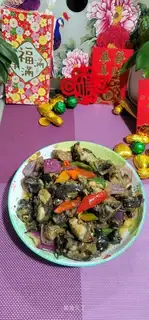 Twin pepper fried chicken"
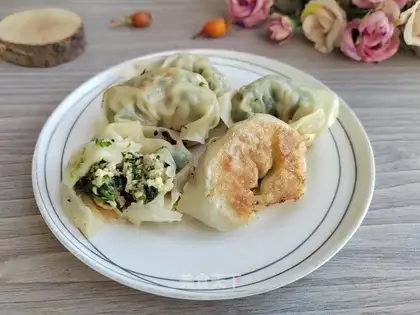 A tofu tofu roasted meat"
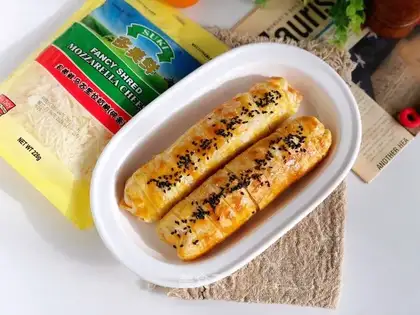 Ham cheese pine rolls"
 Peach jam"
 Milk toast"
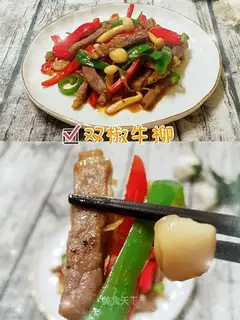 Twin pepper willows"
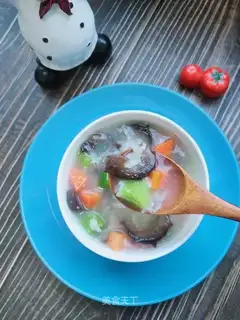 The radish sea cucumber"
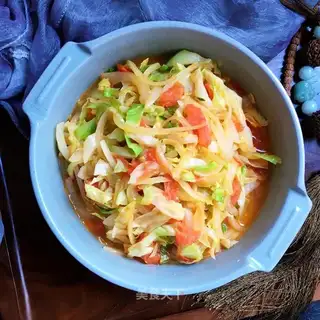 Tomatoes"
 Strawberry scallop cake"
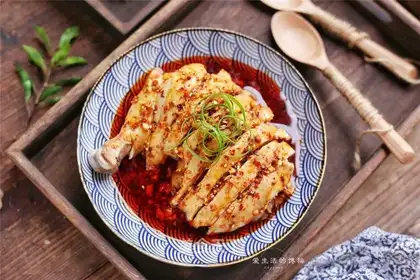 Spicy chili chicken"
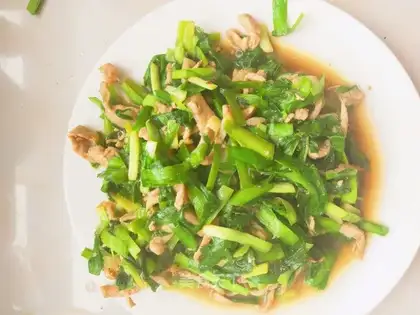 Scorch"
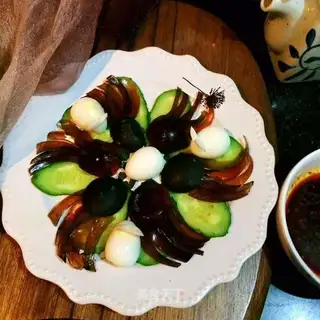 Fancy eggs"
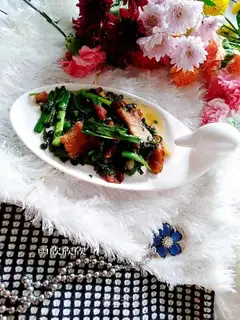 Garlic meat"
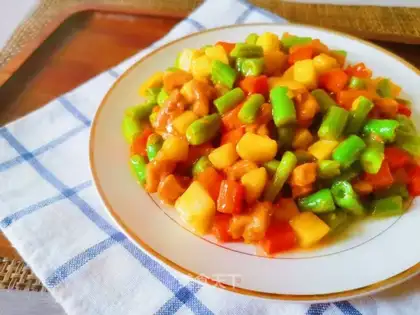 Vegetable fried meat"
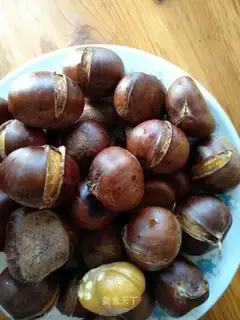 Steam chestnuts"
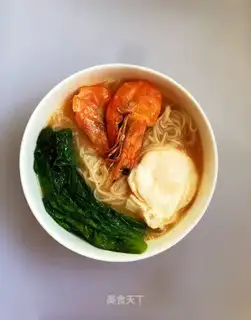 Shrimp eggs"
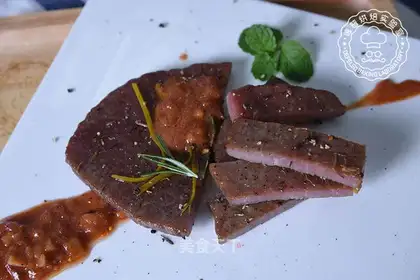 Black pepper steak"