salty and sweet Recipe

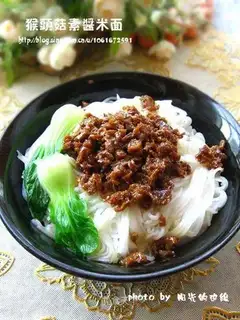
Hericium erinaceus vegetable sauce rice noodles

Hericium erinaceus vegetable sauce rice noodles

MiguelHamill

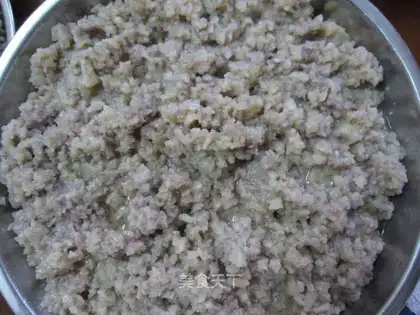
Hericium erinaceus is an extremely delicious mountain treasure. It is listed as the "four famous dishes" along with bear's paw, sea cucumber and shark's fin, and is known as the "meat among vegetables". <br /><br />The soaking and steaming of Hericium erinaceus are the key to its incomparable delicacy. I processed it according to Beijing Gongdelin's method. I mentioned it when I made whole-wheat mashed potato scones last time. Let's talk about it here: Soak Hericium erinaceus one day in advance, soak more, squeeze more and change more water, so that it will not be bitter. After soaking, add cooking wine and sugar to Hericium erinaceus and steam for 2 hours. I didn't add cooking wine, just a little bit of sugar, steamed it for an hour and a half. As soon as I lifted the lid, the delicious taste came to my nostrils. If you can't use it all at one time, you can freeze it in the refrigerator and take it wherever you eat.
Mango glutinous rice paste

Mango glutinous rice paste

LeannBins

Mango glutinous rice paste has been eaten in Hong Kong-style restaurants before and I like its taste very much. <br /><br />Coincidentally, there was still glutinous rice flour at home, so I bought two mangoes and got busy. <br /><br />My husband also likes to eat it very much. It's sticky and glutinous, and it's sweet with a hint of mango acidity. <br /><br />The right taste is delicious for all ages. <br /><br />Friends who don't like mangoes can put them in with bean paste filling.
Four seasons green heart seal

Four seasons green heart seal

BarbaraMoore

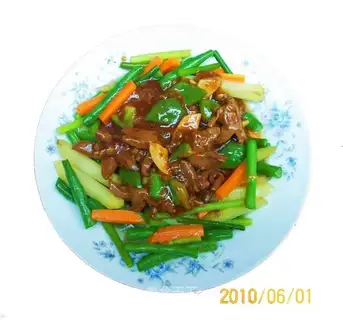
Edible value and nutrition of chicken hearts and duck hearts:<br /><br /> 1. Edible value: It has the effect of nourishing the heart and calming nerves;<br /><br /> 2. Nutrition:<br /><br /> 1. Nutritional ingredients of chicken heart:<br /><br /> Calories 172 kcal; 15.9 grams of protein; 11.8 grams of fat; Carbohydrate 0.6 grams; Dietary fiber 0; Vitamin A910 mg; carotene 0; Retinol 910 mg; Thiamine 0.46 mg; Riboflavin 0.26 mg; Niacin 11.5 mg; Vitamin C0; Vitamin E0; Cholesterol 194 mg; Potassium 220 mg; Sodium 108.4 mg; Calcium 54 mg; Magnesium 11 mg; Iron 4.7 mg; Manganese 0.04 mg; Zinc 1.94 mg; Copper 0.27 mg; Phosphorus 176 mg; Selenium 4.1 micrograms;<br /><br /> 2. Nutritional ingredients of duck heart:<br /><br /> Calories 143 kcal; 12.8 grams of protein; Fat 8.9 grams; Carbohydrate 2.9 grams; Dietary fiber 0; Vitamin A 24 micrograms; Carotene 0.9 micrograms; Retinol equivalent 74.5 micrograms; thiamine 0.14 mg; riboflavin 0.87 mg; niacin 8 mg; vitamin C0; vitamin E 0.81 mg; cholesterol 120 mg; potassium 233 mg; sodium 86.2 mg; calcium 20 mg; magnesium 18 mg; iron 5 mg; manganese 0; zinc 1.38 mg; copper 0.37 mg; phosphorus 188 mg; selenium 15.3 mg;<br /> Cooking method:<br /> 1. Pour the cooked chicken and duck hearts into oil or water for later use;<br /> 2. Pour oil into the pan, add green beans, garlic sprouts, potatoes, and carrots and stir-fry for a while, add salt and appropriate amount of water and cook for a while, then season and place on the edge;<br /> 3. Pour oil, onions and ginger on the pan and stir-fry until fragrant. Add green pepper and water bamboo with appropriate amount of water and stir fry for a while. Then add chicken and duck hearts, oyster sauce, and sugar to taste and stir fry before serving.