super spicy Recipe
TyriqueMueller
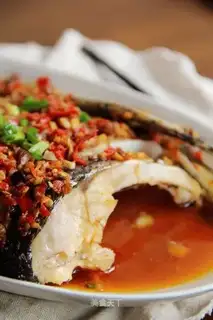
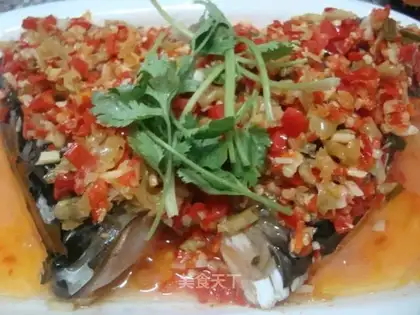
basic characteristics<br /> The color is red and bright, the taste is strong, and the meat is delicate. <br />Taste of dishes<br /> The fish head is soft and waxy, fat but not greasy, salty, fresh and slightly spicy. <br /><br />It is said that during the Yongzheng period of the Qing Dynasty, Huang Zongxian passed through a small village in Hunan and stayed with a farmer's house. The farmer's son caught a river fish from the pond. The hostess put salt in the fish to make soup, then chopped the peppers and steamed them with the fish head. Huang Zongxian thought it was very delicious. After returning home, he asked the chef at home to improve it, so he had today's "chopped pepper fish head". <br />Pepper is not a native domestic species. It is native to the tropical regions of Central and South America and is one of the most important condiments for Indians. Pepper was introduced to Europe in 1493. At the end of the 16th century, pepper was introduced to China as an ornamental flower, but it has not yet been used in diet. In Gao Lian's "Zunsheng Ba Jian"(1591) of the Ming Dynasty, there is the earliest record of chili peppers in China."Pepper peppers are grown in clusters, white flowers, and fruit like bald-headed pens. The taste is spicy and red, which is very impressive." There are two ways for pepper to be introduced into China. One is to enter South China through the Strait of Malacca and take root and sprout in Yunnan, Guizhou and Guangxi; the other is to take the ancient golden road and Silk Road, from West Asia to Gansu and Shaanxi, and cultivate it in the northwest. Although people in the northwest eat peppers, they are not as fierce as Sichuan people today, but they are also an indispensable accompaniment to the meal. Guizhou and its adjacent areas were the first to start eating peppers in China. During the Kangxi years, peppers were once "used as a substitute for salt" in Guizhou, taking on the task of replacing salt. During the Qianlong period, Guizhou, Zhenxiong, Yunnan and Chenzhou Prefecture in Hunan began to consume large quantities of peppers. <br />[Baidu]
JerelPouros
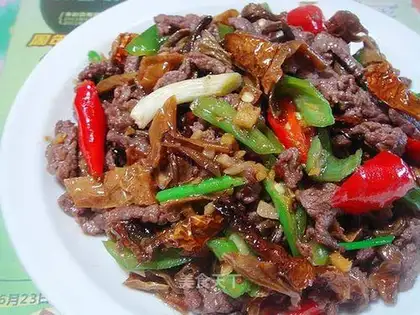
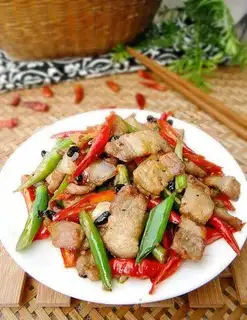
Farmhouse stir-fried pork is one of the most distinctive dishes in Hunan cuisine in China. It uses pork as the main material and is mainly cooked with stir-frying. The taste is spicy. At first glance, it looks like fried pork with chili peppers, but this is by no means an ordinary plate of fried pork with chili peppers. It gathers the charred aroma of pork belly, the tenderness of lean meat, the salty aroma of dried fermented beans, and the sour and spicy taste of Hunan chopped peppers. Such a wonderful combination has created this delicious and unlimited plate of Hunan farmhouse stir-fried pork. <br />Hunan farmers are also very particular about the selection of stir-fried pork. The pork belly should be selected with delicate meat quality. It is best to have obvious layers of "gauze separated" pork belly. The lean meat is generally selected from the front leg meat, because the pork leg meat is more delicious and chewy. It is best to use Hunan pepper with a relatively thin body shape, which has no moisture and is spicy. (The relatively large peppers contain too much water, and the stir-fried vegetables will be watery, which will make the finished vegetables lose their oily and dry flavor of "farm dishes")<br /> During the frying process, the heat is very important and stir-fry should be carried out over high heat. In addition, the processing of pork belly is also very important. The pork belly must be fried out of oil first and turned into charred slices. The lean meat only needs to be fried in a frying pan. The lean meat processed in this way is relatively tender and forms a sharp contrast with the charred pork belly.