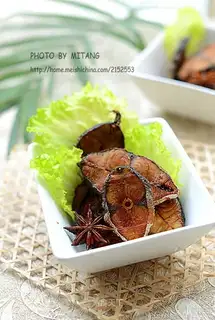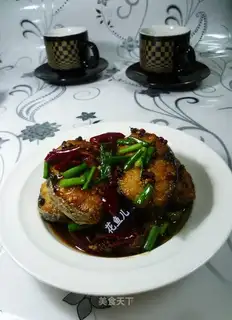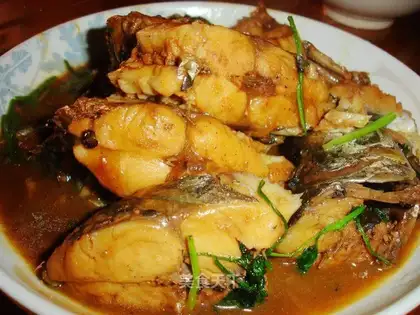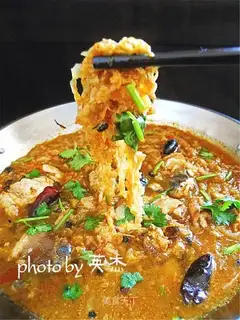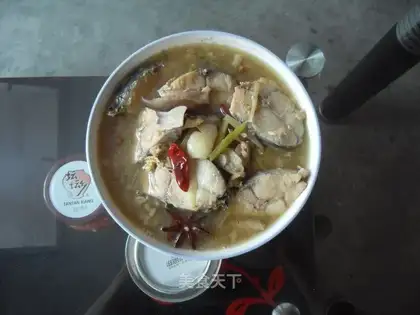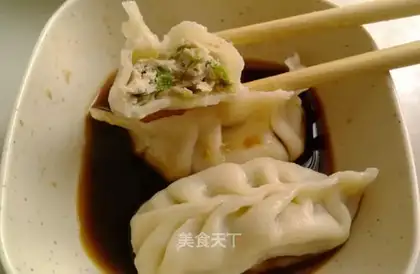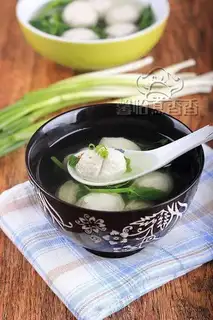
Fish is the type of food that we usually eat in our normal lives. It is rich in nutrients and a good source of protein, usually 15-25 per cent, easily digested, with nutritional values similar to livestock and poultry. The fat content of fish is low, typically 1-3 per cent, consisting mostly of unsaturated fatty acids, 80 per cent, low melting points and 95 per cent digestive absorption. In addition, fish mineral content of 1.2 per cent is slightly higher than meat, and phosphorus, calcium, sodium, potassium, magnesium and chlorine abundance are good sources of calcium. The pebbles in fish increase human brain memory and slow cell ageing. Fish eats in a variety of ways, from steaming, burning red to cooking, and today's fish pellets, which are small, tasteful, nutritious and strong, are suitable for fish pellets. Fishballs are good, but I rarely buy them because a large portion of them, starch, eats a large percentage of them, eats them in my mouth, they're hard to eat, and my friends say that fishballs are not easy to make, but if you know the scale and the method, you can make them at home。
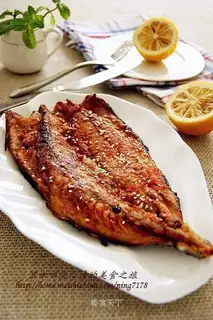
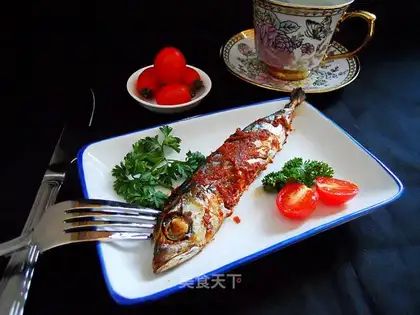
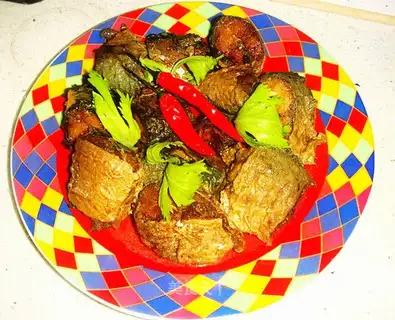
Some of the sisters on the Internet sometimes complain that making fish is too difficult to pack, change knives, fry and then stew, that a fish that does not look at is either fried or on the bottom of a pan, and that oil is spilled everywhere, and that it smells like fish that is not properly cooked. It's not that complicated to make fish, but it's just a few minutes to get a little know-how. Let's just say today I've only used a bag of sauce, a lemon, a little flour, a knife, five minutes' time, and a very young mackerel on the table. I don't have to tell you anything. It's pretty, isn't it? There is a trick: once the fish has been cleaned, they must dry the surface with a kitchen paper towel; then they will film a thin layer of dry flour and shake off the extra flour; the simplest way to keep the fish intact is to use a non-fast pan. If there is no sticky pot, the following two points must be kept in mind: 1. The pot must be hot, so that it has a little bit of smoke and then pours oil. If the oil is to be burned to 7 cents hot, the temperature of the oil can be tested with chopsticks, a chopstick can be put in the oil, and a “zla” can be sounded as soon as the chopstick head enters the oil pan. The fish is then put in a flour wrapper, it's fried with a little fire, and it's made sure that the bottom is hard to fry before turning over. Fried fish have no charisma: they can usually be rinded with wine before frying fish, while fresh lemon juice can be squeezed into fish while frying fish, which is more effective and tasteless. This view is a purely personal one, and it would be appreciated if there were any irregularities. I've become my star's sauce, and if I'm lazy, I'll use it as a shield. I'll pick it up. Seafood。