Cantonese cuisine
VicentaLakin
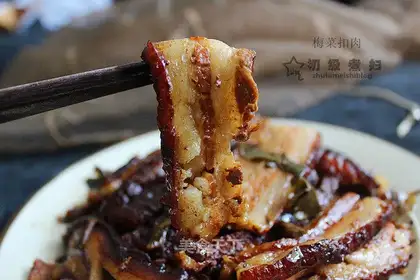
In the first season of China's tongue, the taste of time contains an introduction to plumb, the most representative of which is the plumb cutter. Plum is the traditional specialty of Hueyzhou, which is made of gold and yellow, aroma, a sweet mouth, a cold, wet and warm, and is known as a positive aroma, and is said to be known as the “Salin Chicken, Tofu” of Hueyzhou. It's called white, because of its geographical diversity. It's characterized by red and red colour sauce, sticky and fresh soup juices, fragrances, fat and not greasy, and soft and odour。
VicentaLakin
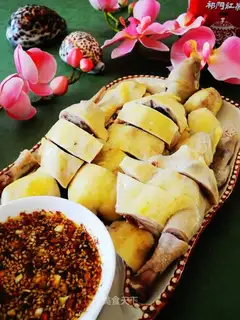
White pheasant chickens are famous for their common food, and white pheasant chickens are also known as white pheasant. Qing Dynasty's Orders are called white chickens. He said, ‘The greatest of the chickens is that on which the vegetables depend, so He has given the chief of his people, and has given them other birds as a single household.’ "There are dozens of chicken dishes for steam, cannons, platinum, halogen, and bad, and the first one is a white slice of chicken, saying it smells like too much wine." Today, there are more than 200 chickens in the cuisine kitchen, and the most common is the white pheasant chickens, the original taste, the smooth skin, and the groceries, which are popular among the eaters. When eating white chickens in Guangdong, probably mostly with onions made of ginger and onions, the food is relatively light, the fat man's wife is a decent Sichuan, with no spicy taste, so that the fat man's utensils add a lot of chili oil and soy oil, and white pheasant chickens don't smell so well。
VicentaLakin
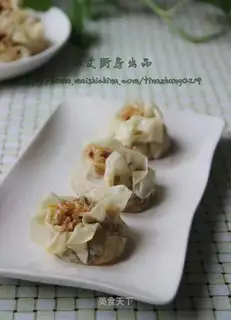
wheat is also referred to as roasting, sauerkraut, sprouts, sprouts, plums, guacamole, a shape that describes the thawing of the top, a small meal covered with hot noodles. like pomegranates, white, thin, fragrance. china has a long history. in china, around jiangsu, zhejiang, guangdong and guangxi, it is called burning, while in beijing and elsewhere it is called burning wheat. sprays are delicious, with the advantages of small cages and pots, which are often used by the private sector as feasts. a bit of beauty (shāomài) and wheat burning in the south are not food in the interior mongolia。