Japanese cuisine
BrettWunsch
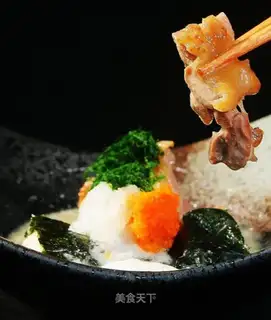
Japanese soup has a first bowl, namely clear soup, which is clear before meals and has a light taste; there is also cooking, that is, miscellaneous cooking, stewing, usually more than two kinds of seasonal vegetables, plus wooden fish flower soup, light mouth soy sauce, sake, boiled over low heat, each of which maintains its original flavor, and then prepares other dishes. The taste is extremely light, clear, sweet and delicious. This cooking method comes from Kansai and is different from Kanto. It is not often said that Oto cook. <br />This soup is a soup cooked during the New Year in Tokyo in Kanto, so it is a recipe for imperial cuisine. <br />Osechi is the abbreviation for Osechiku. In the first month, food determined from ancient times is offered to the gods. Then enjoy the withdrawn offerings and thank the gods for their kindness. <br />The current style of OSECHI began to evolve in the late Edo period. Since the late Edo period, the life of Edo people has become richer, and various things have been added to New Year's meals. However, the meaning and reason for Osechi is the same, that is, it can enrich life in the New Year and pray for God to bless the prosperity of the family. <br />No matter how far away the family is, take offerings to the gods during the New Year, share delicious food with everyone, and bless the New Year. The same goes for Japan and other countries. New Year's family gatherings, look back on the past year and look forward to the new year, drink good wine and have a feast.
TristianWitting
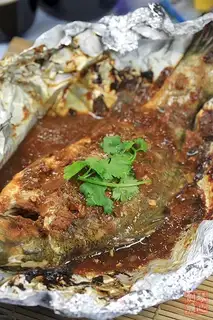
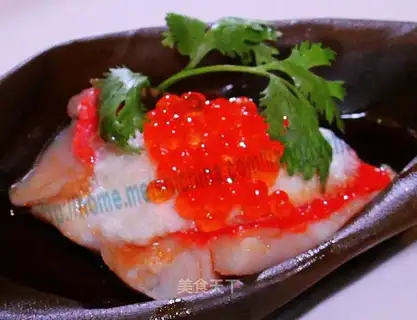
This belongs to steamed food in Japanese cuisine. steamed food: that is, the dish mainly composed of steamed food. <br />It plays an important role in Japanese cuisine. <br />Japanese cuisine focuses on:<br /> "Five flavors" refer to sweet, sour, spicy, bitter and salty;<br />"Five colors" refer to white, yellow, red, blue and black;<br /> The "five methods" refer to the cooking methods of raw, boiling, roasting, frying and steaming. <br />The formation of the unique flavor of Japanese food is inseparable from its unique geographical environment and traditional Oriental culture. Its basic characteristics are: strong seasonality; delicious taste, keeping the original flavor light and not greasy, and many dishes are eaten raw; the main ingredients are seafood and vegetables; the processing is fine and colorful. <br />Most of the methods of flavoring are to add sugar and flavor first, followed by soy sauce and salt, because sugar and wine not only regulate the taste, but also maintain various nutrients in vegetarian dishes. Japanese soy sauce is divided into dozens of types, and the salt is sea salt, which is one of the indispensable seasonings in Japanese cuisine.
WayneSchuppe
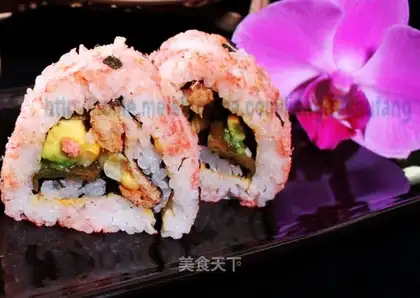
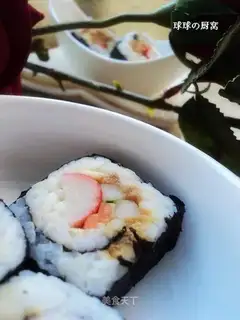
This is one type of rolled sushi. For rolled sushi, whether it is too rolled, fine rolled, inari sushi, loose sushi, hand rolled, lin-rolled or warship rolled, etc., as long as seaweed is needed, the taste of the seaweed can affect the taste of the entire sushi. <br />The seaweed must choose assakusa seaweed to taste the best! <br />Avocado, fried rotten skin, peeled peppers, and Ming Prince, which are most commonly used in Japanese sushi, are best prepared as basic materials. <br />Vinegar rice is rolled with seaweed and called seaweed sushi or Taijuan sushi. Rolled sushi is more difficult to be recognized by the industry than holding sushi, because in Japan, any housewife can make rolled sushi. <br />The bamboo curtains of rolled sushi are divided into ordinary bamboo curtains and the thinner Beijing bamboo curtains (Tokyo Bamboo Curtain). Ordinary bamboo curtains are used here.