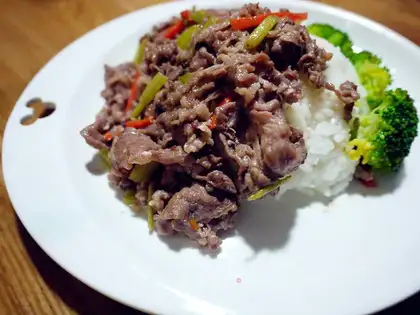
Japanese cuisine
AyanaRempel
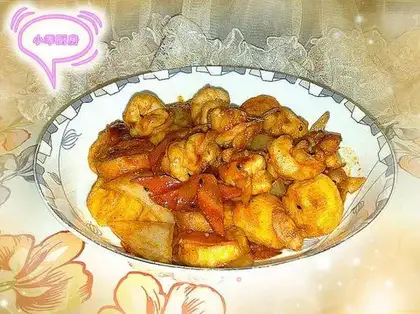
Ingredients: salt,Japanese tofu,sesame,onion,carrots,shrimp,MSG,pepper,cooking wine,flour,oil,Korean hot sauce
WilberKuphal
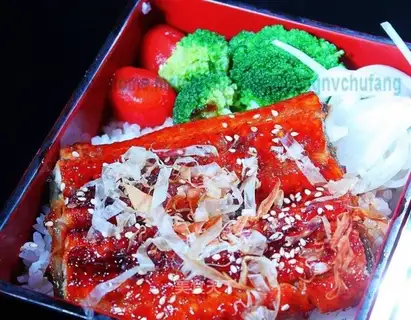
Eels are nutritious and easy to digest. It has the effects of replenishing deficiency and nourishing blood, dispelling dampness, and anti-tuberculosis. It is especially suitable for eating when there is too much moisture or when people have a loss of appetite and are weak. When eating eel, Japanese people always match it with rice: place a large piece of eel on the rice, add vegetables, and then pour it with eel juice. The fish juice is immersed in the rice, which is nutritious and delicious. <br />The special fishy smell of the eel itself will be completely removed and it will taste sweet and delicious. It is also first-class with rice and matches seamlessly with the sweetness of the rice grains. It is the most worth learning in Japanese cuisine. <br />Eels are divided into river eels and sea eels. The Japanese eat sea eels. The nutritional value of river eels and sea eels is very different. River eels are white eels. In terms of taste, sea eels and river eels are also different, and river eels taste much worse. <br />According to the Japan Food and Nutrition Research Association, most of the rich fat of moray eel is unsaturated fat that is good for the human body. It is full of DHA (an essential fatty acid for the human body, commonly known as "brain gold") and EPA (unsaturated fatty acids that are conducive to neurodevelopment). In addition, it also contains a rare Xihe Locke protein, which has good kidney strengthening effect and is especially suitable for young men. Eels are also aquatic products rich in calcium. Regular consumption can increase blood calcium levels and make the body stronger. <br />The taste is delicate because one of the amino acids it contains can make its taste softer and sweeter. Moreover, eels have a lot of fat and little water, so they have a feeling of melting immediately in the mouth.
KylaReinger
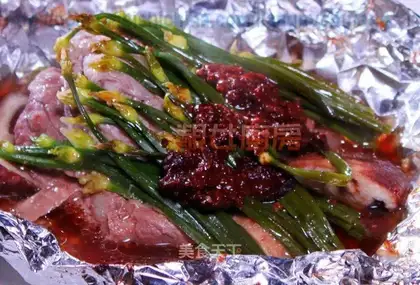
Chai fish soup is one of the must-have condiments for Japanese cuisine, because the delicacy of Chai fish soup can often add more umami and aroma to food. <br />The most commonly used soy sauce in Japanese cuisine has many flavors, but it can be roughly divided into thick and light flavors. Nongkou soy sauce is deeper, has a more delicious taste, slightly sweet, and is widely used. It is needed in almost all dishes and sauces, so it has become the most important variety of soy sauce. Light soy sauce is relatively light and has a strong taste. It is generally placed in dishes that do not change the color of the ingredients and sauce. There are few general applications. <br />Generally, in Japanese cuisine, only a small amount of sauce is made with light soy sauce. (Soiled vinegar, thick eggs, and steaming in tea bowls are generally light mouthed.) However, if there is no light mouthed soy sauce, all of them can be replaced with thick mouthed soy sauce, but the color is slightly inferior. Therefore, the consumption of thick soy sauce far exceeds that of light soy sauce. Nongkou soy sauce has also become synonymous with home-made Japanese soy sauce.
LouveniaEffertz
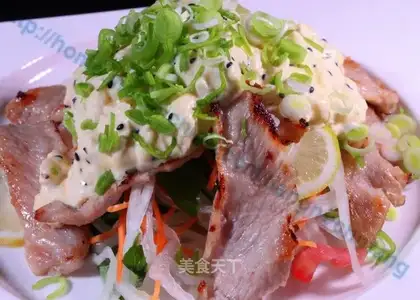
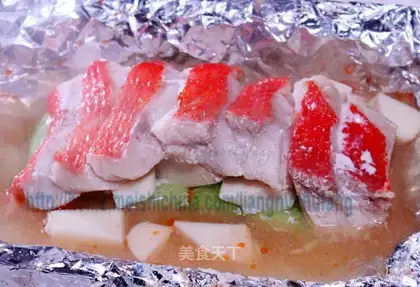
Eating more grilled fish is the most nutritious. Although sashimi and sashimi sushi are world-famous, the most eaten by Japanese people is roasted fish, which belongs to the dark fire and salt roasting of Japanese cuisine. <br />Japanese grilled fish does not add oil and is baked over slow fire for a long time. Research has confirmed that Japanese grilled fish is the healthiest way to eat fish. Compared with the methods of steaming, braising, and boiling commonly used by China, grilled fish can better protect fatty acids, protein, vitamins and minerals. Compared with European and American grilled fish, Japanese grilled fish will not cause carcinogens due to roasting the fish meat, nor will it burden the kidneys due to applying too much oil. <br />Gold-eyed sea bream transparent and reddish fish sweet and refreshing, roasted taste more sweet. <br />In early summer, when the female snapper has just laid eggs, it lacks fat, the meat is dry and the taste is poor. At this time, the female snapper is called wheat stem snapper. The male snapper at this stage is more delicious than the female snapper. The female snapper head is arc-shaped, and the male snapper has a special bulge on his forehead.
CarolinaCassin
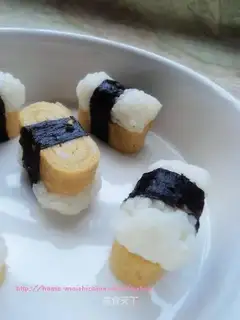
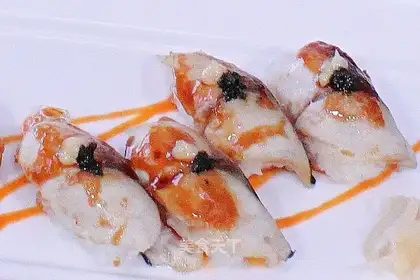
There are many types of sushi. This is called Kami sushi and belongs to Edogawa sushi. <br />Authentic Japanese sushi will not be fishy at all, because the freshness of the ingredients and the correct method will only produce a fresh, sweet, smooth and tender taste. <br />Soak your hands in ice water before making sushi, which can reduce the temperature of your hands and cool the oil on your hands in a short period of time, so that your hands can avoid getting stained with fish, which affects the taste of sushi. <br />Especially for sashimi, you cannot touch it directly with warm hands, which will affect the freshness of the fillets. Usually a basin of ice water is prepared. Before making sushi, place your hands in the ice water for a few seconds before starting to make sushi. Once your hands start to heat up, put them in the ice water to cool down. In addition, the temperature on the palm is low, and the sushi rice does not stick to the hand so easily. <br />Deboning and cutting sashimi is a very professional subject. Be sure to pay attention to the tendon position and texture, cut it against the pattern, and cut it with one stroke, so that the fiber of the fish will not be damaged and the loss of water will be reduced. The sashimi will not be easily moldy and lose its elasticity. <br />This is basic knowledge. Because the main flavor and nutrients of fish are concentrated in the tendons and texture, they can only be preserved by cutting them against the patterns. The knife is the soul of cutting fish slices. The better the knife, the easier it is to retain the flavor of the fish. Before cutting, you also need to place the knife on ice to chill.