Korean cuisine
AddisonGerlach
This recipe comes from a well-known Korean cuisine master and the taste is very authentic. <br />Storage method of kimchi:<br /> During the production process of kimchi, kimchi needs to be naturally fermented in a sealed container, and the fermentation effect can be used to give the vegetables a special flavor and taste. <br />During the fermentation process, countless lactic acid bacteria will begin to grow and reproduce in the sealed container, and this period of time is an important stage that determines the success or failure of kimchi production, so preservation is extremely important at this time. Therefore, after kimchi is put into a container and capped and sealed, it should be placed in a cool place where sunlight cannot reach it. The most suitable temperature for lactic acid bacteria to reproduce is 0-25℃. Excessive temperatures should be avoided, because the higher the temperature, the faster the lactic acid bacteria grow. Therefore, if you make kimchi in seasons or regions with higher temperatures, pay attention to observation or shorten the fermentation time to avoid excessive fermentation and making the kimchi too sour. <br />Once kimchi is fermented to the appropriate acidity, it is the best time to taste delicious food. At this time, it must be moved into the refrigerator and stored so that the lactic acid bacteria will not continue to grow and cause the kimchi to be too sour. <br />Even fermented and pickled kimchi has a certain shelf life. It is recommended to use clean, water-free and oil-free chopsticks and spoons after opening to prevent kimchi from deteriorating. There are also enforcers that are pickled in small containers, which is more convenient to eat and should be eaten as soon as possible after opening. <br />If you make a large amount at one time, you can wait until the fermentation is over, sub-pack it into small containers or plastic bags, and take as much as you eat. This can reduce the contact between kimchi and the air and maintain the best freshness. It is also a method that will not make kimchi easy to sour. <br />Once kimchi comes into contact with air, it will easily turn sour early and its delicious taste will be lost, so the faster the better when taking it out. <br /><br />Change in time and temperature required to ferment kimchi (for reference only):<br /> 8-12℃ at room temperature for approximately 4 days<br /> 18-20℃ at room temperature for approximately 2 days<br /> 27-30℃ at room temperature for approximately 1 day

KathryneDare
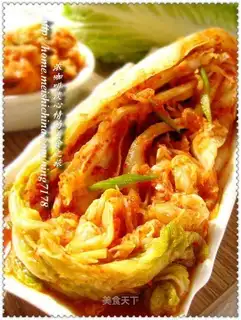
At present, Beijing has the cheapest cabbage, but few people buy it. In fact, cabbage has a high nutritional value and is very popular among Westerners. Whether it is mixing salad or making red vegetable soup, cabbage is indispensable. <br />There are many names for "cabbage", such as cabbage, green cabbage, Xitu blue, kohlrabi, etc., but in fact, it's all it. <br />Eating "cabbage" often can resist cell oxidation in body tissues and prevent aging. It is rich in vitamin C, and the folic acid in it is very beneficial to women who are pregnant or anaemic. It is also an important beauty vegetable for women. If eaten frequently, it will brighten their appearance. It is even better if it is eaten with tomatoes. <br />"Cabbage" also has the effect of improving immunity, and also has certain auxiliary treatment and prevention effects on oral and gastrointestinal ulcers. It is also an ideal food for diabetic patients. Therefore, eating more "cabbage" will be of great benefit to the human body. <br />Today, we use "cabbage" to make a quick Korean dish. This dish is a ready-to-eat "Korean kimchi". The specific practices are as follows;