traditional cuisine
VicentaLakin
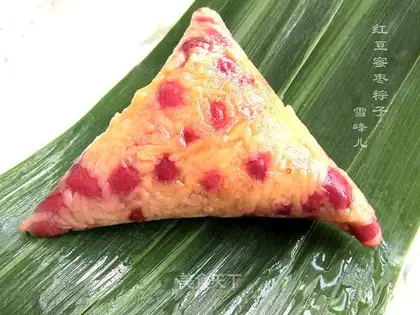
I'm sure you've eaten a lot of salty sweets. I don't know. I don't know if any of the foreign brands have been working hard to get their share of the Chinese market, such as Hagendas's moon cakes and Starbucks' stings, and the native brands seem to be trying to do more tricks, such as the three-piece ice cream stings, which seem to be a big cake that holds market opportunities, whether salty or sweet. For the first time in Xinjiang's cuisine, the Eagle Bean Room, which is more westernly fertilized, became fascinated with starch than soybeans, so it was very soft, sort of like peas, but not as soft as peas. Moreover, it is said to contain a high nutritional value, a natural healthy food
VicentaLakin
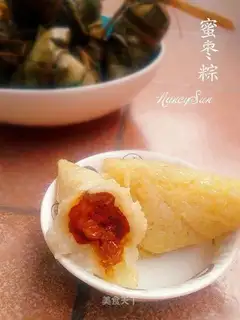
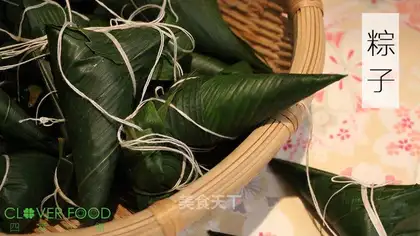
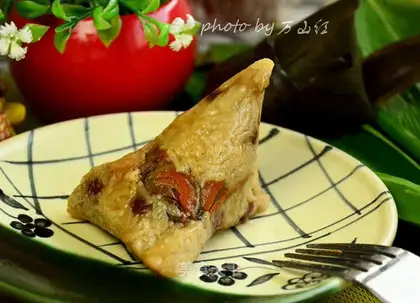
It is the traditional practice of the Chinese people to eat sorghum at the midday festival. The tumblers, also called the horns, the drums. It's been long and varied. In Jindai, Zhu Zhu was officially designated a midday meal. The shapes of the stings are also varied and typically include a whole range of shapes, such as a positive triangle, a positive quadrilateral, a sharp triangle, a square, a rectangle, etc. The most traditional thing we remember in our home is triangulations, which are big, which use two layers of fresh reed leaves, which are slowly boiled with large iron pans, which are cooked three to four hours a day before noon, and which are immersed until the afternoon of the next morning, and which tastes so strong that they are all immersed in light green and fragrance. Due to the fact that the saps are made of rice, they are not easily digestive and when they are eaten, they can be facilitated by proper tea or sugar. Last year Mom and I learned a new way to deal with leaves, not to cook, to freeze fresh leaves into the fridge overnight, to unfreeze them, to soft leaves, to work, to learn。
VicentaLakin
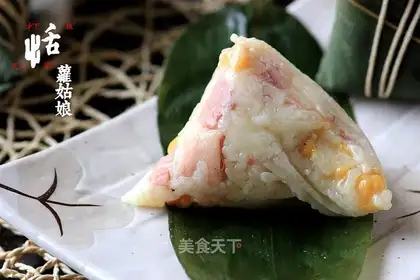
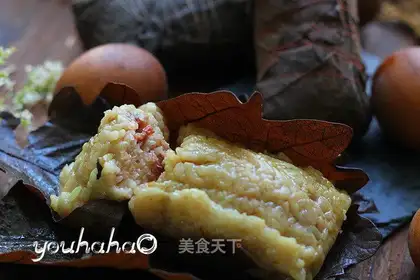
The stork is tanned with its natural stork, which, in the process of drying up, fully absorbs the brightness of the sun, and the tightness of the stork locks the fat, becomes a strong and flexible stork dry, and the fresh taste is condensed in it. Picking a golden beak of great quality and using it to make a sorghum, with a pig's meat and a fine rice, which is my country's most luxurious sorghum this year, so I call it the Emperor, and as he boils it again, the gill wire penetrates into the rice, and it melts with its smell and its scent and its sticky rice, so that the taste of all the food can be improved, the fragrance mixed with the release, so that the taste of the scallop tastes beautifully. And when you open your jaw, and you bite, and there's a smell of it in your mouth, and there's a fragrance of it, and the salt of its flesh, and the fragrance of its platitudes on your tongue, you enjoy the taste of it, and you recognize it as true. Don't mention it
VicentaLakin
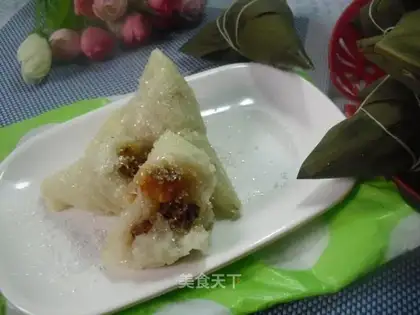
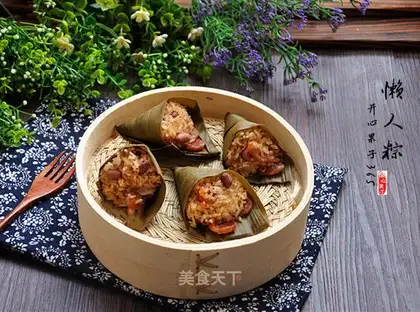
The voices of others were heard every time there was sunbath, and they said that they were very keen to wrap them up, because they were clumsy. So I was wondering, can you design a simple, fragrance-smelling sting? After the experiment, the fruit makes this kind of half-naked laziness, which can be filled with tumbles or tastes like this. The feeling of half-naked stubbles is completely different from the traditional stubbles, which can be stale because they are all wrapped up and boiled in water, and half-naked stubbles can be much smaller because they are evaporated, because they are half-naked, because the rice that comes out of the pot is a little longer and becomes harder, and it is recommended that each time less be done, enough to eat, and every time it is better to eat while it is hot. But it all smells like reeds. If it's too many, it's not finished, wrap it up with a membranes, and then steam it back in the pot. Here, the fruit also teaches you a much more lazy way to cook with the groaned rice, and then cut it into a few large pieces of the washed reed, put it into the rice, put it in some more, add a proper amount of water, boil it out and smell the smell of fresh reed leaves, and it's easy to taste the smell of it, but it's no longer called a scab。