bao bun recipe
VicentaLakin
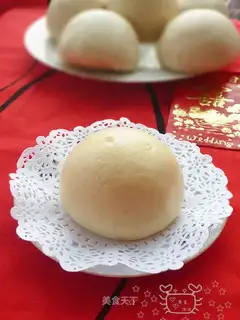
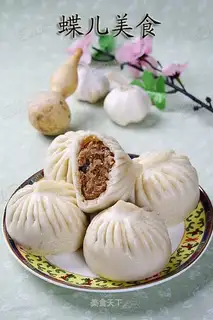
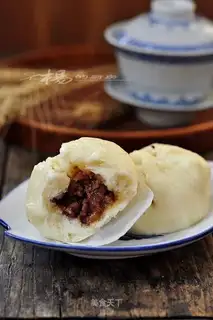
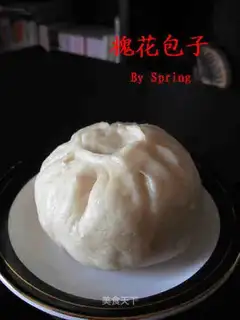
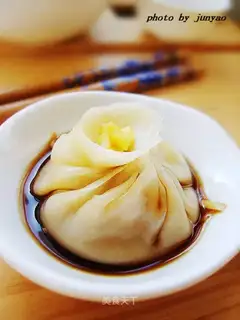
The Chinese people at the Spring Festival have a very well-received and well-recognised Zhuing Fulong, who is represented in many Chinese paintings. It's a veggie varnish. It's good to have a pig's fragrance and fragrance and no radish. If you can't find radish, you can replace it with radish, soybean, eggplant, prune, cabbage, etc. When the market went to buy dry horse teeth, it was the first time that it had seen a dried silk. According to traders, when the tungsten was still young, the tungsten was cut off and the tungsten was turned around to grow and dried. It's used in the old countryside. It's big, it's delicious, it's a little tough, it's good, it's not special. The buns were made and shared between parents and neighbours, and everyone thought they were delicious。
VicentaLakin
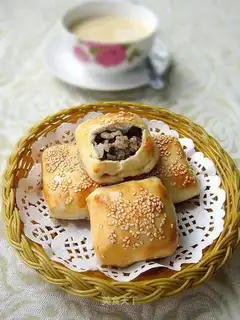
Baking buns (known as “salmsa”) and skin buns (known as “Petermansta”) are foods preferred by Uighur compatriots. Every morning a bowl of milk tea and two baked buns were their nutritious breakfast. The Han people do the same, except to go to a bun store for their fellow Wei, where they pack “two buns”, as they often say. If you say I want lamb buns, it must be a stranger who doesn't know the customs of Xinjiang, which is made of lamb. The simplest approach is fresh lamb, which must be half of the goat's leg and half of the goat's oil, so that the onion (the skin teeth of the Xinjiang people) eats a special flavor, and the onion must be white, and it must be cut, so that the lamb must be cut. Such a little ding, a roasted bun bites it, it's fresh, it's oily, it's shiny. This is the characteristic of Xinjiang's cuisine, “oily” (many outsiders say that Xinjiang food is too greasy, but it is related to Xinjiang's geography and climate. It's not the dry-ass type. The buns like that eat up the cocoon. The taste of Xinjiang's lamb, with no more sauce, with pepper powder and tweak powder, is not Xinjiang's taste. And the shape of the bun has been a shape since ancient times, and that's square. The real buns are baked from the pits, and now there's ovens that you can make at home, but the only thing that's different is the ovens that are baked, and the taste is different, and the pits are baked from the fragrance, the natural smell. It doesn't taste like that. I used to bake it from my home in an oven and brush it with egg fluid, but the real roasted bun in a pit does not brush egg fluid, so it's for the good, and it's for the good, and it's not for the taste of a pit. So many special foods in Xinjiang are impersonable unless you haven't eaten the special foods of Xinjiang, and the ones that are lost. Both types of food are purchased in restaurants, food stands and alleys in towns and villages in Xinjiang, such as the Beijing meatloaf and Tinjin dogs, which are popular with customers. It's funny, when a thin-skin wraps steamed, or baked buns were taken from the pit, the cooks often raised their throats and shouted, "Ibra." Alexa wood buns. Alex Rawood was a famous cook hundreds of years ago. He made buns and buns. So the latter took his name as a sign for a customer。