Maintaining healthy blood levels is essential for energy, immunity, and overall well-being. While supplements exist, incorporating iron-rich foods into your daily diet offers a safer, more sustainable way to combat deficiency and enhance vitality.
Iron comes in two forms: heme (from animal sources) and non-heme (from plants). Heme iron, found in lean meats like chicken and fish, is easily absorbed by the body. For vegetarians or those seeking plant-based options, lentils, spinach, and tofu are excellent non-heme choices. Pairing these with vitamin C-rich foods—such as bell peppers, citrus fruits, or strawberries—boosts iron absorption significantly. For example, a spinach salad with strawberries or a lentil soup with a side of lemon juice maximizes nutrient uptake.
Other blood-nourishing foods include folate (avocados, beans) and vitamin B12 (dairy, eggs), which support red blood cell production. Nuts and seeds, like pumpkin seeds and almonds, provide additional iron and magnesium, aiding in energy metabolism.
Unlike supplements, which may cause side effects or interact with medications, dietary iron is gentler and more holistic. By making small, consistent changes—such as swapping processed snacks for a handful of nuts or adding leafy greens to meals—you can naturally support blood health over time. For long-term vitality, let your plate be your first line of defense.
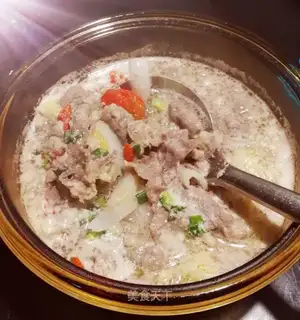 Clear the soup and lamb"
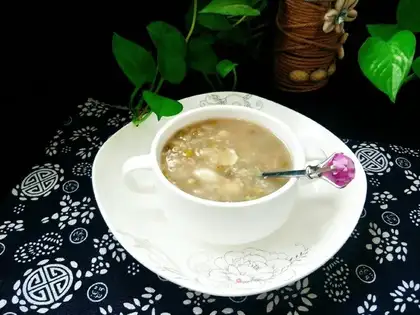 Lily Lotus green bean congee"
 Chicken"
 Potato thaw"
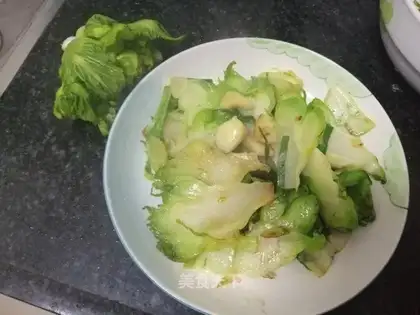 Garlic"
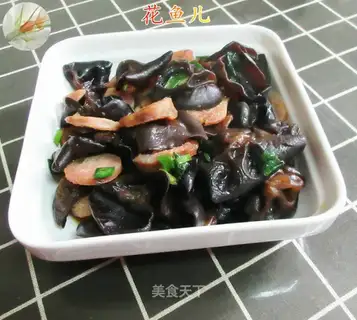 Sausage and black wood"
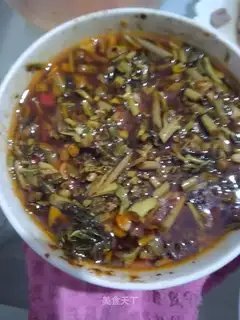 Oily fragrance"
 Sweet rice"
 Egg sausage burrito"
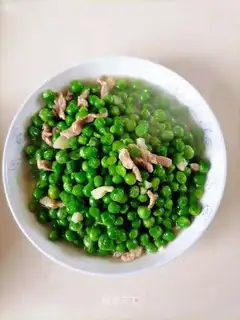 Spaghetti peas"
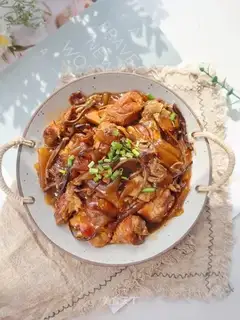 Tea mushroom fried chicken"
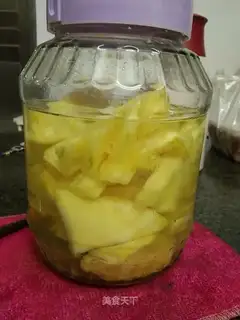 Salted pineapple"
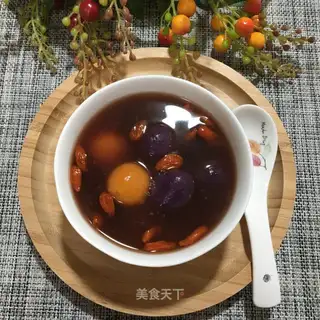 Red sugar makes double soup"
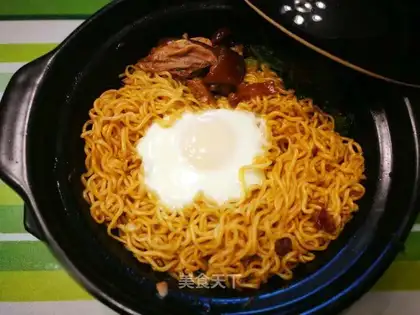 Cinnamon noodles"
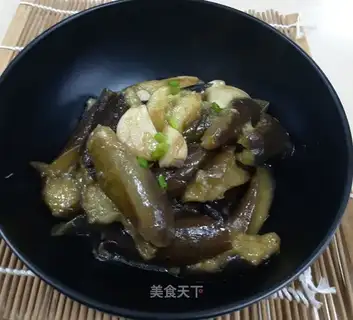 Garlic eggplant"
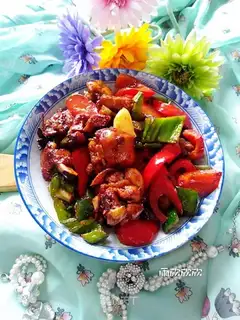 Fuck you"
 Sugar Jell-O"
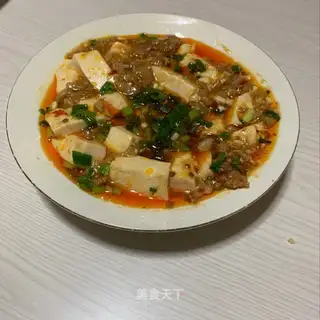 Tofu"
Tofu"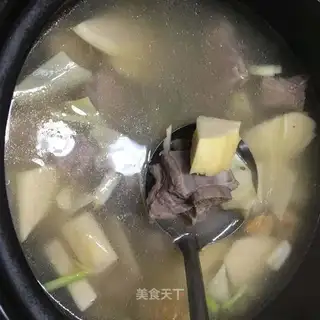 Spring pelvis"
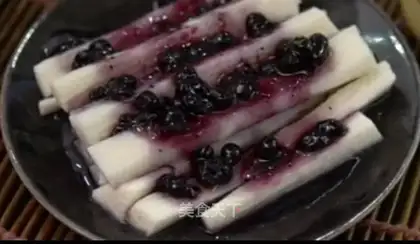 Blueberry Mountain"
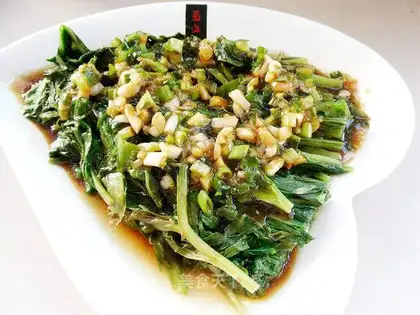 - Juicy lettuce"
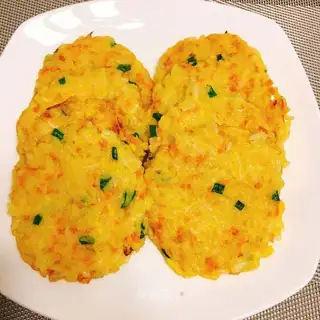 Carrot egg rice cake"
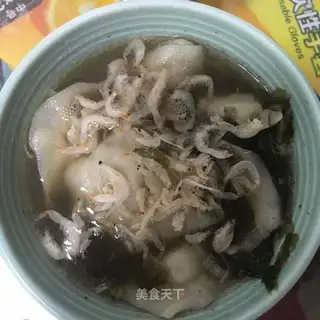 The lamb onions"
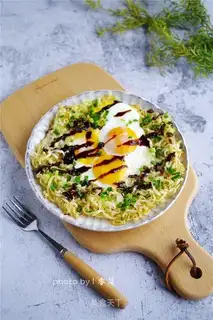 Puffy eggcake"
 Fried eggs"
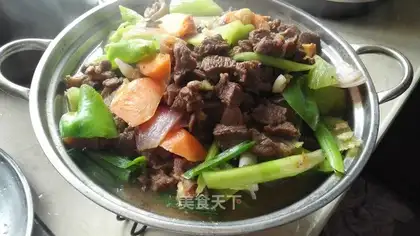 Dry pot lamb"
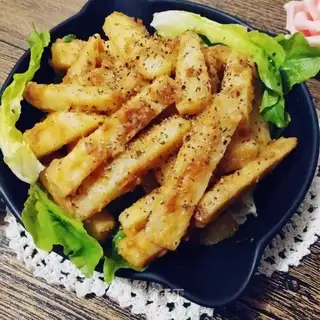 Black pepper egg yogurt fries"
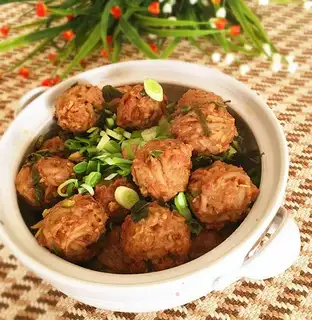 ♪ Shellows lead ♪"
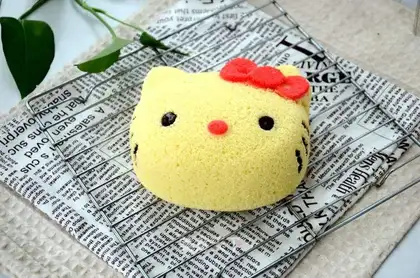 SIX-INCH KITTY STEAM CAKE"
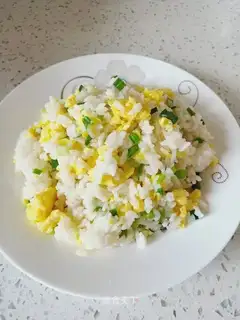 Egg fried rice"
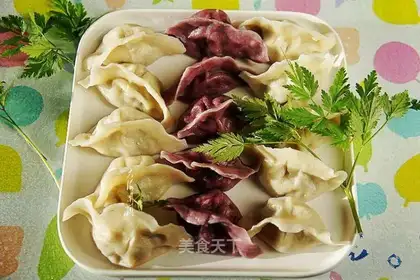 Piggy dumplings for the celery"
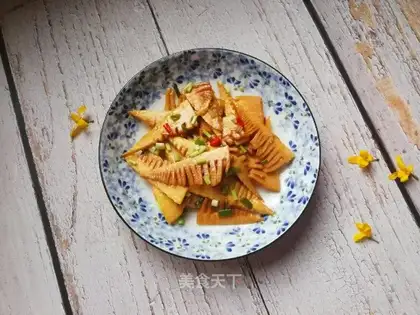 It's sharp"