The New Year’s Eve dinner in North China, or "Nian Ye Fan," is a cherished tradition steeped in symbolism and warmth, bringing families together to celebrate reunion and prosperity. A typical feast is a vibrant display of regional flavors, with each dish carrying auspicious meanings.
The star of the table is *Jiaozi* (dumplings), shaped like ancient gold ingots and symbolizing wealth. Families gather to fold them, filling dough with minced pork, cabbage, or mushrooms, sometimes hiding a coin for luck. Another highlight is *Bazhen Rou* (Eight-Treasure Pork), tender braised pork belly layered with ingredients like chestnuts and eggs, representing abundance. *Yuzi Shangsheng* (Steamed Fish) is a must too, as its name sounds like "surplus," ensuring prosperity for the coming year.
Vegetable dishes add color: *Winter Salad* with crispy bean sprouts and dried tofu signifies a fresh start, while *Tangyuan* (glutinous rice balls) in sweet soup round off the meal, symbolizing family togetherness. Steamed buns, often stamped with red characters for "good fortune," complement the feast.
More than a meal, this spread is a heartfelt tribute to heritage, where every bite tells a story of hope, love, and the joy of new beginnings.
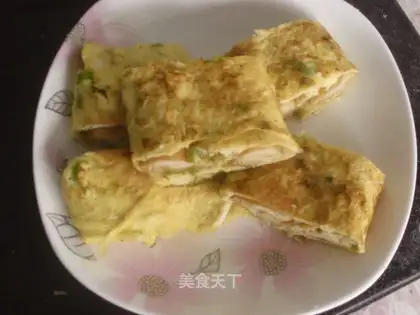 Egg pancakes"
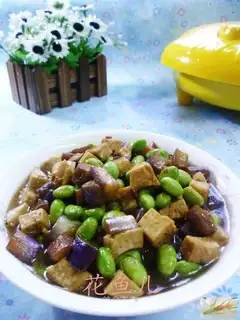 Soy sauce, saffron, beans"
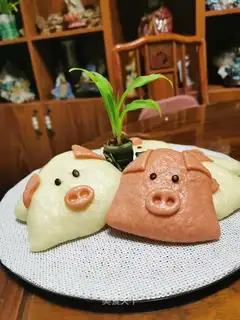 Pork cakes"
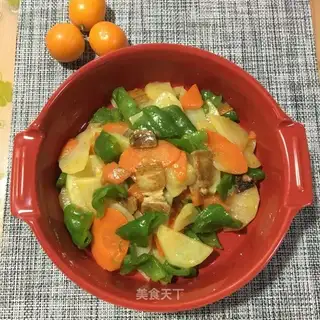 Five flowers with pepper potato chips"
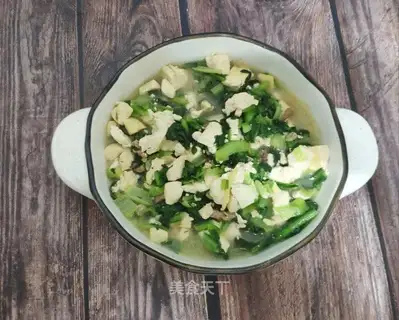 Homemade tofu"
 Pumpkin pie"
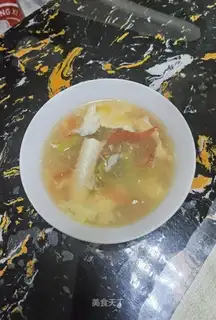 Hong Kong spicy soup"
 Korean shrimp rice"
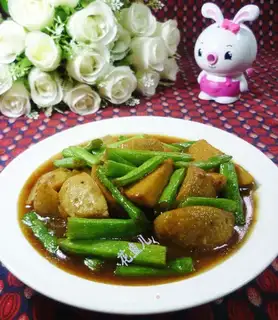 Peaches make potatoes"
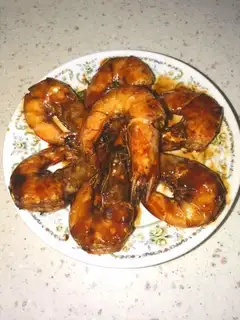 Cook shrimp"
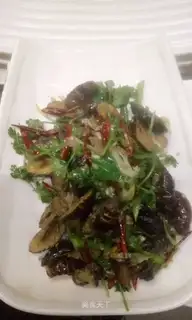 A fragrance"
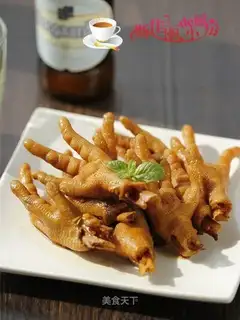 The fragrance claw"
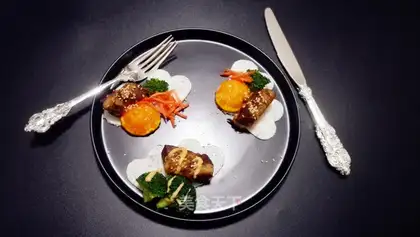 Linglong heart"
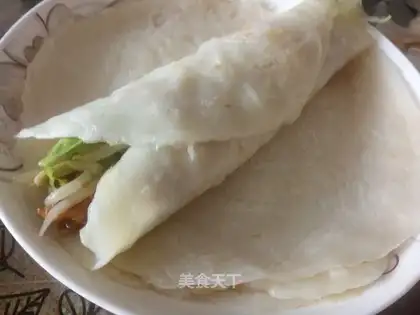 Springcake"
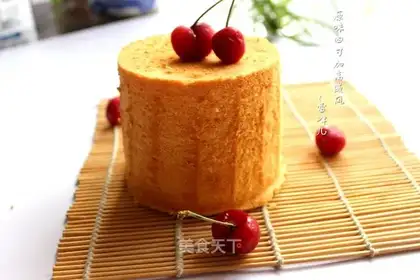 It's an original chili cake"
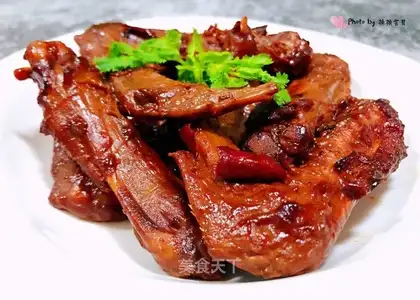 Spicy duck wings"
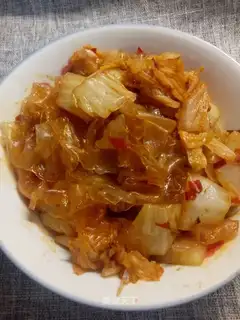 Spicy cabbage"
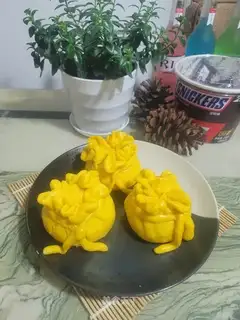 Gold bag"
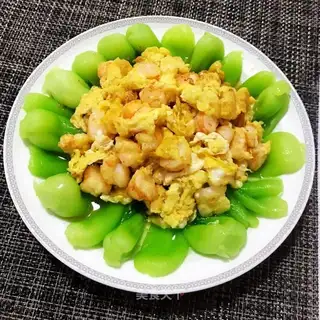 Shrimp fried eggs"
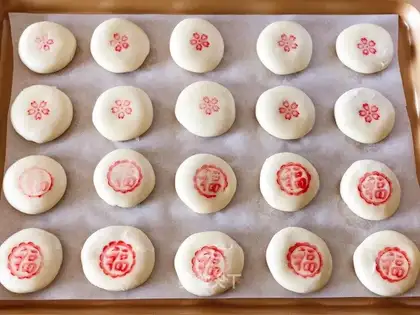 Flower cake"
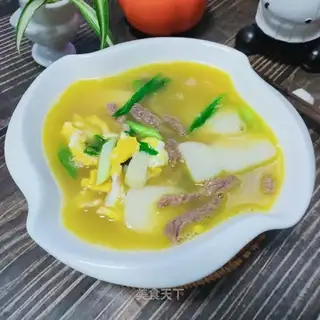 Beef pastry soup"
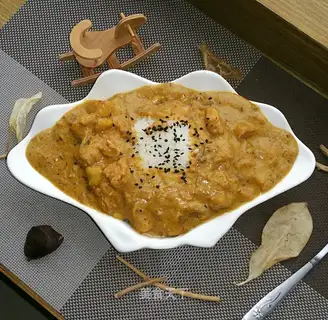 Chicken curry"
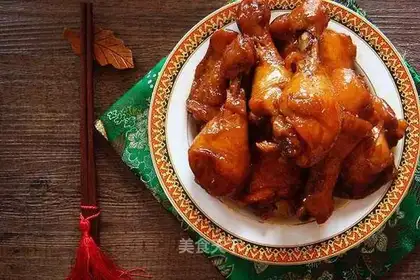 My chicken leg"
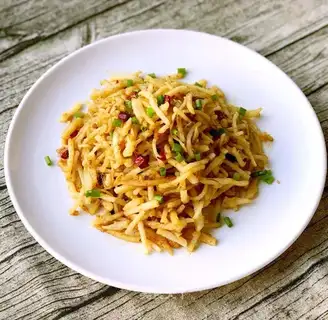 Potato fork"
 Red-sugar hairloaf"
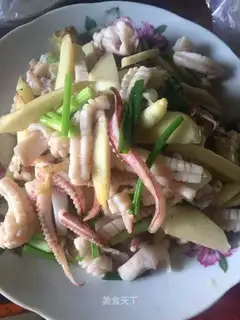 White fire"
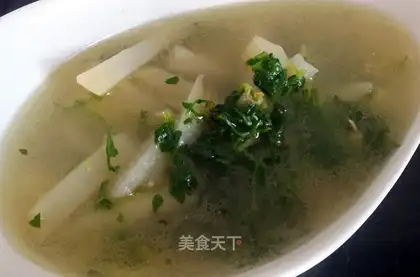 ♪ ♪ ♪ Crackers and potatoes ♪"
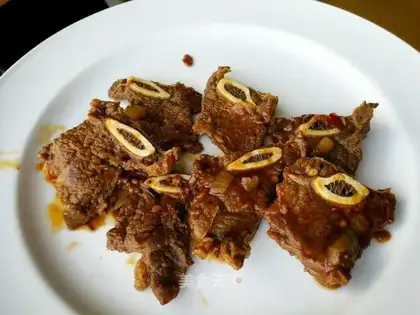 Cowboy onions"
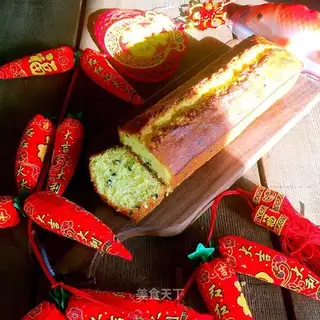 A pound cake of clot nuts"
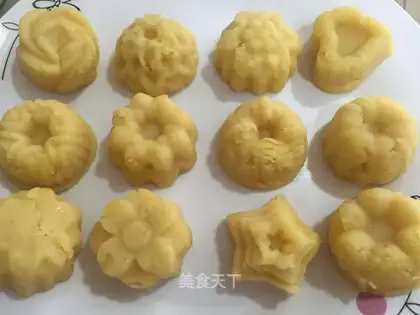 Handmade green beans"
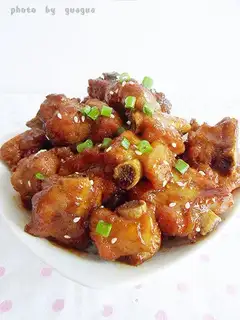 Kyoto ribs"
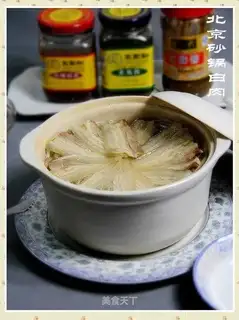 Old Beijing casserole white pork"
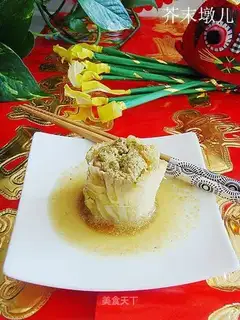 Mustard Duner"