Sauerkraut, a tangy fermented cabbage dish, is a staple in European cuisine and prized for its probiotic benefits. Making it at home is simple, requiring just cabbage, salt, and time. Here’s a step-by-step guide.
Start with fresh cabbage—green or red work best. Remove outer leaves, then shred the cabbage thinly using a knife or mandoline. For every 5 pounds of cabbage, use 3 tablespoons of non-iodized salt (like sea salt), as iodine can hinder fermentation.
In a large bowl, toss the cabbage and salt thoroughly. Massage the mixture with your hands for 5–10 minutes until it releases water, forming brine. Pack the cabbage tightly into a clean glass jar, pressing down to eliminate air pockets. Ensure the brine covers the cabbage completely; if not, add a saltwater solution (1 tablespoon salt per cup of water).
Cover the jar with a cloth or lid (loose to allow gas escape) and let it ferment at room temperature (65–75°F/18–24°C). Fermentation takes 1–4 weeks: taste after 1 week; when it reaches your desired tanginess, refrigerate to slow fermentation.
For flavor variations, add carrots, juniper berries, or dill during packing. Enjoy it as a side dish, in sandwiches, or as a topping for salads. Homemade sauerkraut is fresh, preservative-free, and packed with gut-friendly bacteria!
 Delicious fish with pickled cabbage"
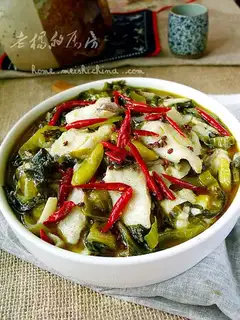 fish with Chinese sauerkraut"
 fish with Chinese sauerkraut"
 The saloon roses"
 Tofu meat"
 Pyramid"
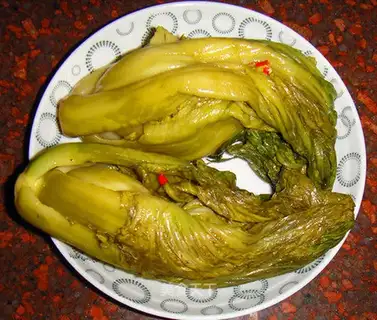 Homemade sour"
 Stewed pork ribs with pickled cabbage"
 fish with Chinese sauerkraut"
 Fried artemisinin"
 Garlic fried eggs"
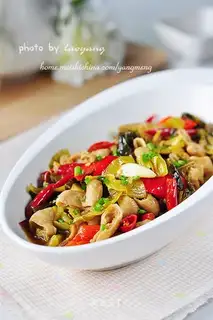 Braised pork intestines with pickled cabbage"
 ♪ Polish black barley cream toast ♪"
 Pure soybean"
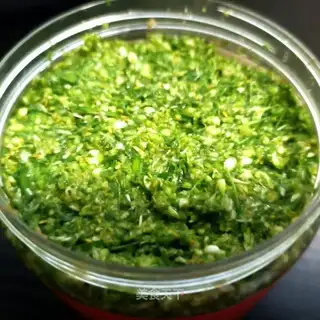 Plum sauce"
 Fresh watermelon juice"
 Snow casserole tofu"
 Mud-earned pork"
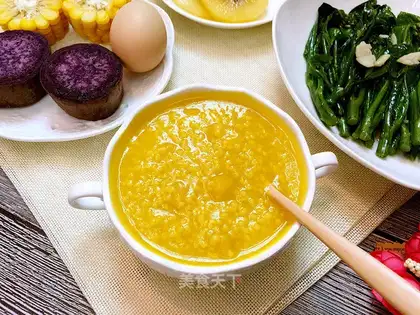 Pumpkin porridge"
 Pineapple rice"
 Romantic fresh flower cake"
 Felony celery"
 Sourfish"
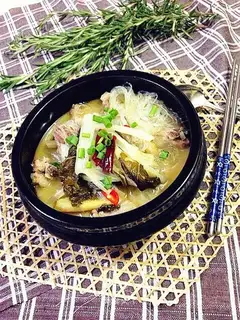 Sour stew ribs"
 Home-cooked vegetables"
 Cream pickles"
 Sourfish"
 Sourfish"
 Sourfish"
 fish with Chinese sauerkraut"
 Spicy pepper fried eggs"
 New Orleans chicken pie"
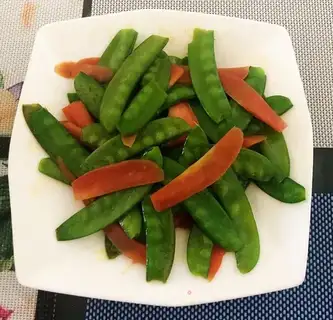 Carrot clears Dutch beans"
 fish with Chinese sauerkraut"
 Soy sauce, fragrance"
 A piece of rice cake"
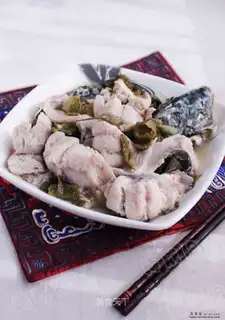 fish with Chinese sauerkraut"
 Sweet cheese"
 Egg burrito"