In the face of increasing air pollution, safeguarding our health requires proactive measures, and dietary choices play a pivotal role. Certain fruits and vegetables, rich in antioxidants and nutrients, act as natural defenders, helping the body combat the harmful effects of smog.
Leafy greens like spinach and kale are powerhouses of vitamins A, C, and E, which neutralize free radicals caused by particulate matter. Broccoli, a cruciferous vegetable, contains sulforaphane, a compound known to enhance detoxification pathways in the lungs. Citrus fruits such as oranges and lemons, loaded with vitamin C, boost immune function and reduce inflammation triggered by pollutants. Berries, particularly blueberries and strawberries, are packed with anthocyanins, which protect respiratory tissues from oxidative stress.
For optimal benefits, prioritize organic varieties and consume them raw or lightly cooked to preserve nutrients. Incorporate these foods into daily meals—spinach in smoothies, broccoli in stir-fries, or citrus as snacks—to create a consistent defense system.
While a balanced diet cannot eliminate smog entirely, it fortifies the body’s resilience. By choosing these anti-smog superfoods, we take a meaningful step toward building a health fortress, ensuring our well-being remains resilient even in challenging environments.
 Cook noodles"
 The celery celery casserole"
 Ropfish soup"
 Big pickle soup"
 ♪ Onion fried moon cake ♪"
 Fry box"
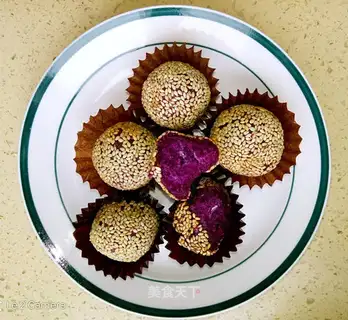 Sesame potato ball"
 Homemade egg sausage powder"
 ♪ The cheesy cheesy bear squeezed in ♪"
 Milky-sweet potato bread"
 A simple, wide-range omelet"
 Blue bean radish"
 Yellow chicken soup"
 Vegetable congee"
 Cow Rolling Sugar"
 Pepper cutters"
 Swan puff cake"
 Dry casserole"
 It's red meat"
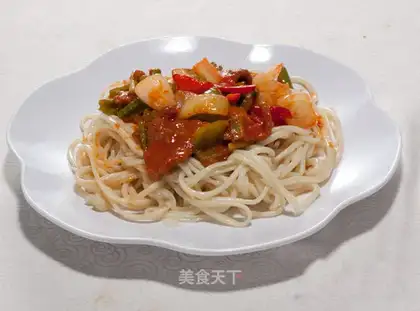 Red fruit tomato noodles"
 Sugar Jelly Ridge"
 Tomato chicken soup"
 The Latin horn"
 A chicken ham fort without sugar"