light Recipe

BradyHuels
Macrocephalus macrocephala has the effects of strengthening the spleen and replenishing qi, eliminating dampness and promoting water, stopping sweating, and preventing miscarriage. It is used for spleen deficiency and lack of food, abdominal distension and diarrhea, phlegm and drink dizziness, edema, spontaneous sweating, and uneasy fetal movement. "Medical Qiyuan" records: "Removing dampness and benefiting dryness, harmonizing the middle and replenishing qi, warming the middle, removing dampness in the spleen and stomach, removing stomach heat, strengthening the spleen and stomach, eating, quenching thirst, and preventing miscarriage." <br />Yangchun sand is referred to as spring sand, a specialty of Yangchun City, Guangdong Province. Using flowers and fruits as medicine is a commonly used and valuable traditional Chinese medicine. It has the effects of warming the spleen, strengthening the stomach, guiding qi to regulate the middle, and promoting digestion and preventing miscarriage. <br />The main function of this porridge is to strengthen the spleen and stomach. It is especially good for children to eat it frequently.
GraceDietrich
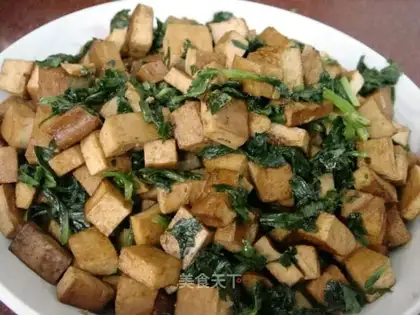
Celery leaves and stems contain volatile mannitol, which has a unique aroma, can enhance appetite, and also has health care effects. <br />Celery is very rich in nutrients. According to measurements, 100 grams of celery contains 2.2 grams of protein, 8.5 mg of calcium, 61 mg of phosphorus, and 8.5 mg of iron. The protein content is twice as high as that of ordinary fruits and vegetables, and the iron content is about 20 times that of tomatoes. Celery is also rich in carotene and multiple vitamins, which are very beneficial to human health. <br />It is worth mentioning that many families only eat stems and not leaves when eating celery, which is extremely unscientific. Because the nutrients in celery leaves are much higher than those in celery stems, nutritionists have tested 13 nutrient components on celery stems and leaves and found that 10 indicators in celery leaves exceed the stems. Among them, the carotene content in the leaves is 88 times that of the stems; the vitamin C content is 13 times that of the stems; the vitamin B1 is 17 times that of the stems; the protein is 11 times that of the stems; and the calcium is more than 2 times that of the stems. It can be seen that the nutritional value of celery leaves cannot be ignored.