Recurrent mouth ulcers, those small yet painful sores that disrupt eating and speaking, can be a real nuisance. While causes like stress or minor injuries are common, a persistent lack of certain vitamins might be the hidden culprit. If you’re tired of these unwelcome visitors, it’s time to check your nutrient levels—starting with vitamins.
Vitamin B12, in particular, plays a starring role. Deficiency can weaken the mucous lining in your mouth, making ulcers more likely. Similarly, folate (B9) and iron support cell repair and immune function, helping your body fight off irritants. Don’t overlook vitamin C either: it’s essential for collagen production, which keeps oral tissues resilient. A deficiency might slow healing, leaving ulcers lingering longer.
So, what’s the fix? Incorporate B12-rich foods like fish, eggs, and dairy, or opt for fortified cereals. Leafy greens (spinach, kale) pack folate, while citrus fruits, berries, and bell peppers boost vitamin C. For iron, lean meats and lentils are great choices. If your diet falls short, supplements (under a doctor’s guidance) can help.
Next time an ulcer strikes, skip the frustration and reach for a vitamin-rich plate. Nourishing your body might just be the simplest way to keep those sores at bay.
 Eggs"
Eggs" Flamingo salad"
 Yangzhou Lion Head"
 Potato varnish"
 It's cold"
 Nutnut peanut porridge"
 The seaweed"
 Five-colour dumplings"
 Sausage roll"
 Peaches"
 Tomato, cabbage, tofu"
 Fried meat"
 Spicy and cold fish skins"
 A wooden cup"
 walnut oatmeal"
 The casserole gravy"
 Fried apricot"
 Lobster congee"
 Mango lasagna cake"
 Coconut green beans"
 Frozen eggs"
 Pigback beef"
 Vacuated yellowfish"
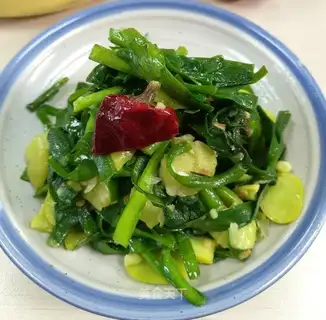 Scrambled bean petals"
 The melon"
 Sour tofu dry"
 It's cold"
 Spicy chicken"
 ♪ ♪ Peach-fruit jelly ♪"
 Sesame rice"
 Scrambled eggs"
 Black Sesame walnut"