The Winter Solstice, or "Dongzhi" in Chinese, marks the shortest day and longest night of the year. Celebrated as "as important as the Spring Festival," it is a time for family reunions and warm, symbolic dishes. While dumplings (jiaozi) are a staple in northern China—believed to keep ears warm from frost—diverse traditions across the country make this festival a culinary delight.
In southern regions, tangyuan takes center stage. These sweet glutinous rice balls, boiled in water or syrup, symbolize reunion and togetherness, as their round shape represents completeness. Many families also enjoy niangao, a sticky rice cake, whose name sounds like "a higher year," signifying progress and prosperity. In some areas, lamb hot pot is a popular choice, warming the body on the coldest day.
Beyond these, regional specialties abound: residents of Hangzhou savor osmanthus cakes, while Fujian families prepare tangyuan in both sweet and savory varieties. Even overseas Chinese communities carry these traditions, sharing dishes that bridge generations.
On the Winter Solstice, food is more than sustenance—it’s a connection to heritage, family, and hope for warmer days ahead. Whether dumplings, tangyuan, or local favorites, each bite tells a story of unity and joy.
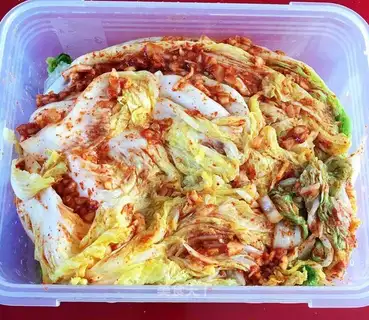 Hot cabbage"
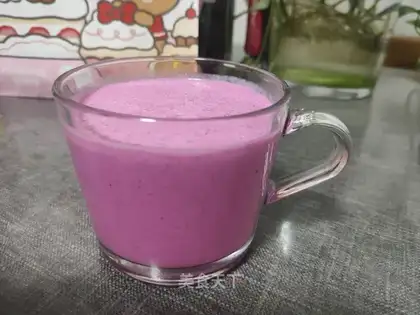 Banana dragon milkshake"
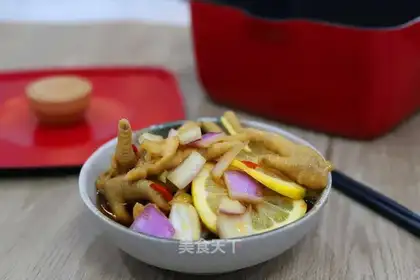 Jealousy chicken feet"
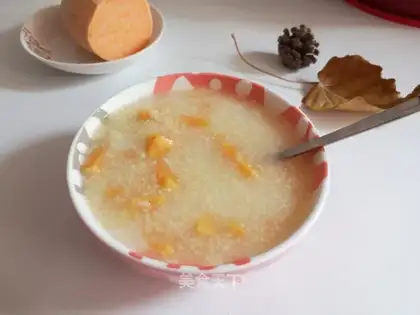 Potato corn porridge"
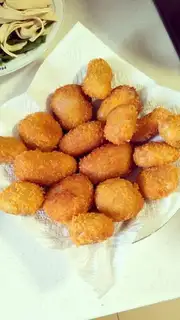 Quake medsball"
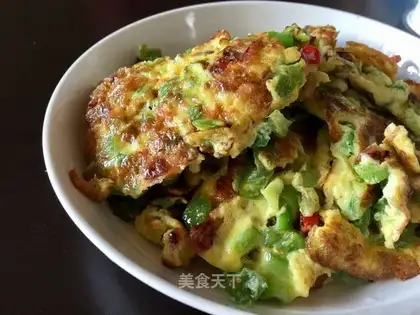 Weenie chili eggs"
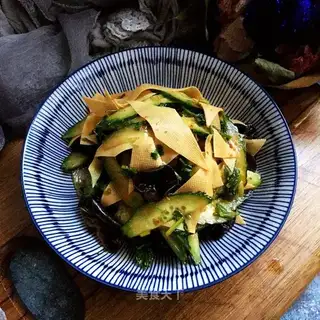 Pumpkin cucumber"
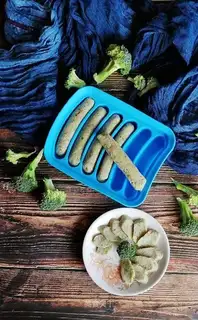 Fish sausage"
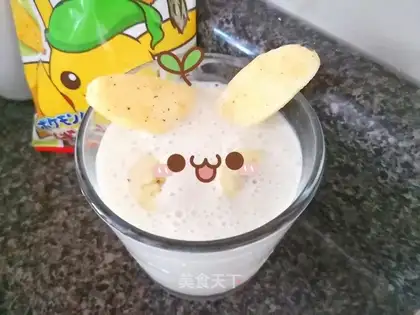 Banana shake"
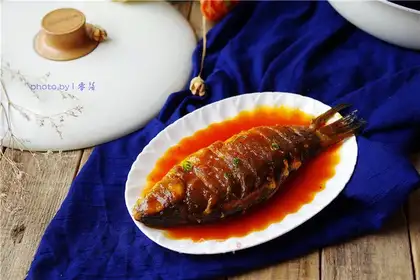 Jealousy fish"
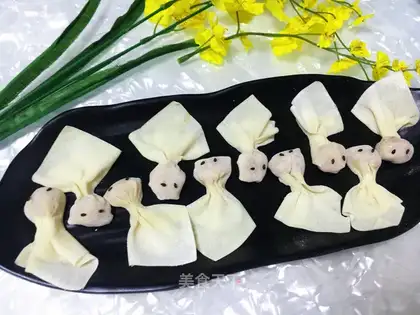 Goldfish"
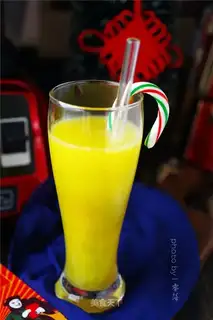 Pear orange juice"
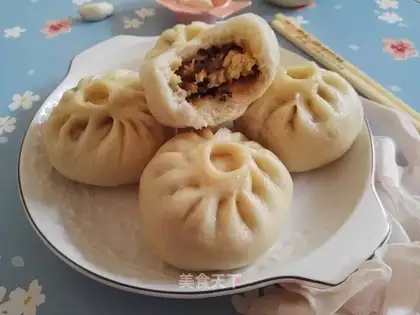 Pumpkin egg buns"
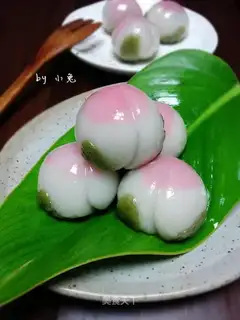 ♪ Painted choreography ♪"
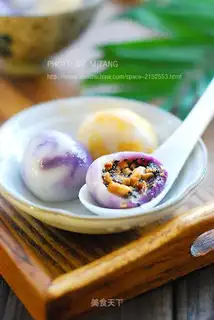 The clouds are full"
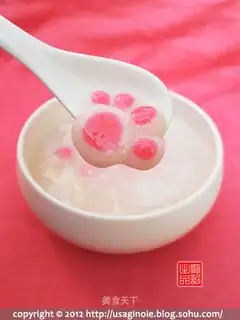 Cat claw glutinous rice balls"
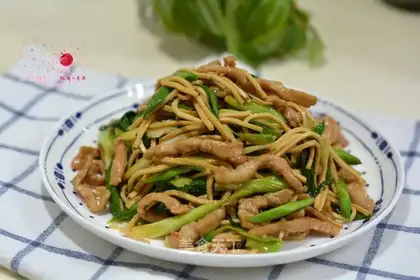 Beef garlic tofu"
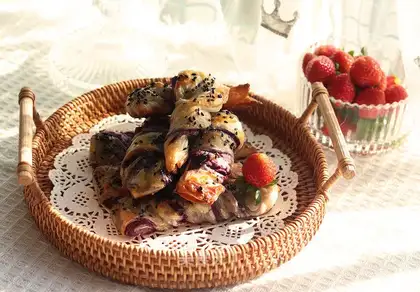 I've got my hands on the potato"
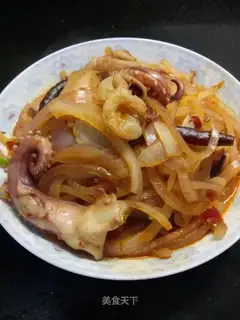 Squirt"
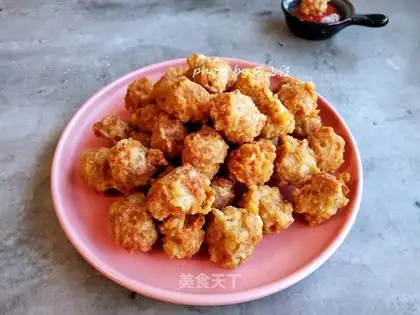 Dried fried balls"
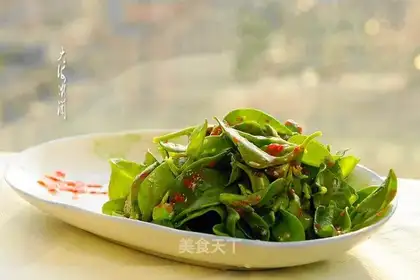 The fruit is in my heart"
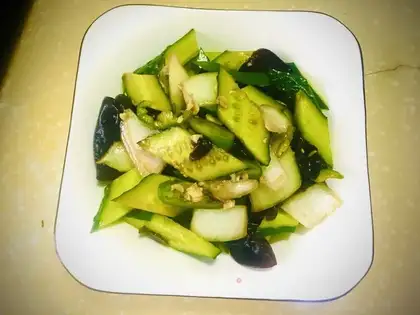 I've got a cucumber"
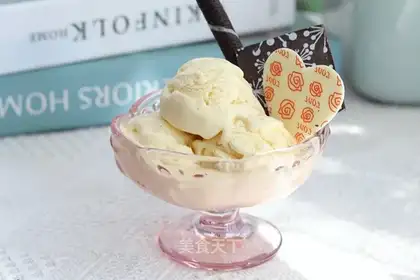 Vanilla ice cream"
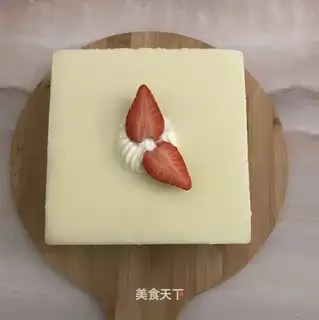 Chestnut Muss"
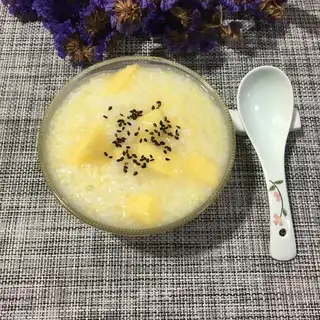 Apple porridge"
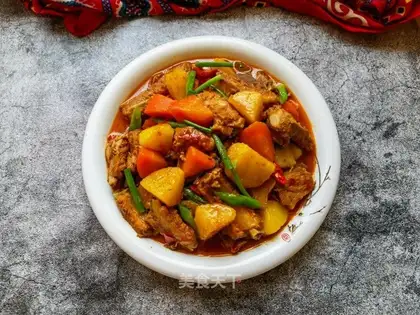 Carrot potatoes"
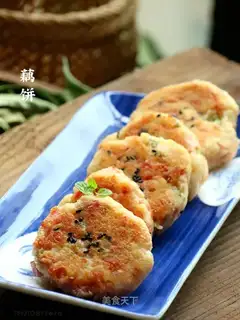 Pie"
Pie"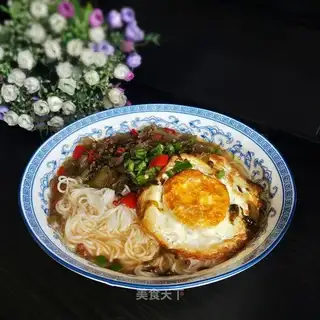 Sour eggs and rice powder"
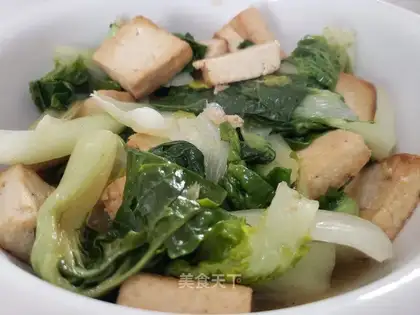 Soy sauce"
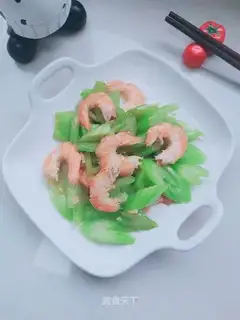 Shrimp and celery"
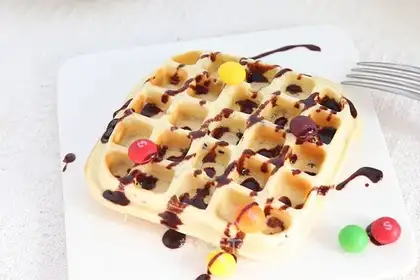 Black sesame cream waffles"
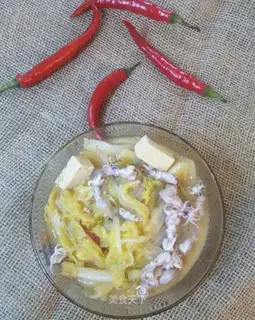 ♪ And the rabbit stewed tofu ♪"
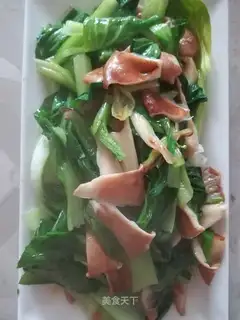 Piggy-goose greens"
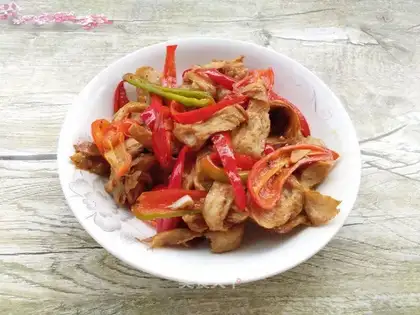 Paprika noodle"
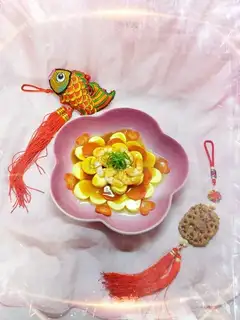 ♪ Spring and warm ♪"
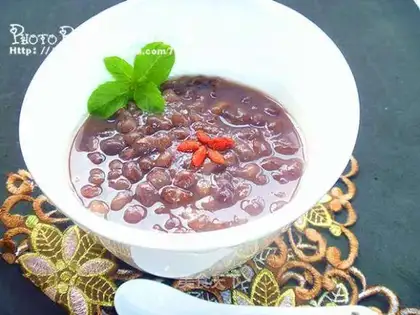 honey beans"