Not all foods are best eaten whole. Grinding certain ingredients into powder can boost nutrient absorption, enhance their health benefits, and make them easier to incorporate into daily meals. However, improper preparation may diminish their effects. Here are five foods that shine as powders—and how to get the most out of them.
Flaxseeds are a prime example. Whole flaxseeds often pass through the digestive system undigested, but grinding them releases omega-3 fatty acids and lignans, which support heart health. Similarly, chia seeds ground into powder allow their fiber and omega-3s to be fully utilized, aiding digestion and blood sugar control.
Turmeric is another standout. Its active compound, curcumin, is poorly absorbed when raw, but combining ground turmeric with black pepper (which contains piperine) increases bioavailability by up to 2000%.
Sesame seeds, when ground into tahini or powder, provide more calcium and vitamin E than whole seeds, benefiting bone health and skin vitality.
Ginger powder, made from dried ginger, concentrates its anti-inflammatory properties and is easier to add to teas, smoothies, or baked goods than fresh ginger.
Finally, oats ground into oat flour retain beta-glucan, a soluble fiber that lowers cholesterol, and are gentler on digestion than whole oats.
To maximize benefits, grind these foods fresh in small batches using a coffee grinder or blender, and store powders in airtight containers away from light. Avoid pre-ground options, which may lose nutrients over time. With these simple steps, you can unlock the full potential of these nutritional powerhouses.
 Cranberry cream toast"
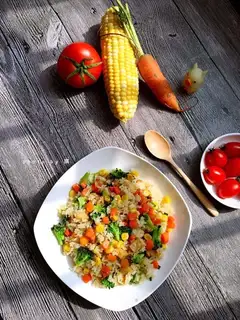 I'm a field cook"
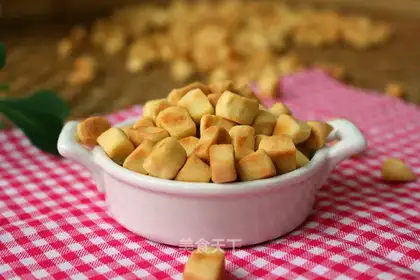 Noodles"
 Potato soy sauce"
 Tea and red meat"
 Warm stomach vegetables"
 It's a wide-range omelet"
 Spicy beef"
 Milk tea"
 Chocolate cheesecake"
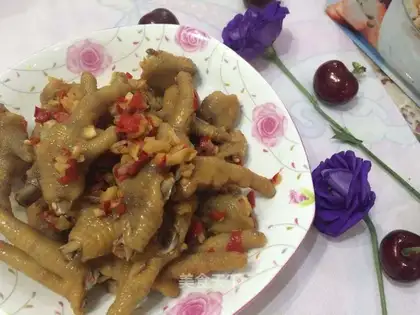 Yojo's sour chicken feet"
 Almond lilies"
 Brown rice juice and pumpkin paste"
 Fry chicken legs"
 Barbecue"
 Mango balls"
 Cream pepper"
 Abalone pork and rice"
 Spicy duck"
 Lamb fung soup pot"
 It's a little spicy"
 Red burning lion head"
 Red beeves"
 Liang Zhui"