The Chinese New Year’s Eve reunion dinner, or "Nianfan," is more than a meal—it is the heart of the festival, a time when families gather to honor tradition and share blessings. Around the table laden with symbolic dishes, the air hums with laughter and the quiet promise of "wan shi ru yi," or "may all your wishes come true."
Each dish carries meaning: fish, for prosperity ("yu" sounds like "surplus"); dumplings, shaped like ancient gold ingots for wealth; and sweet rice cakes, "nian gao," signifying higher achievements in the year ahead. As elders pour tea and young ones offer greetings, the ritual of toasting—"Ganbei!"—echoes the collective hope for health, harmony, and happiness. It is a moment where past and present merge: grandparents recall childhood feasts, while children marvel at lanterns and firecrackers outside, their faces glowing as brightly as the red lanterns hanging overhead.
In this warmth, "wan shi ru yi" feels less like a wish and more a certainty. For tonight, surrounded by love, every bowl is full, every smile is genuine, and every heart is hopeful. Here’s to a year where all is well, and joy never fades.
*Wishing you a reunion dinner brimming with love and a year ahead where every wish takes flight.*
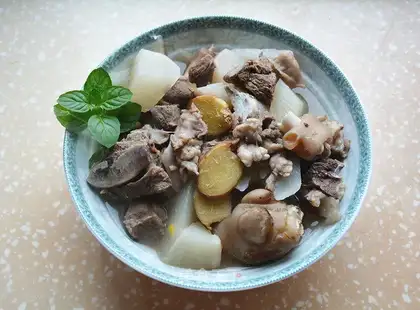 A lamb stew"
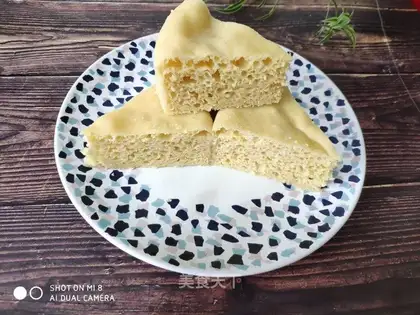 Corn pasta"
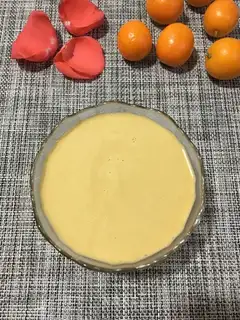 Rice peanuts"
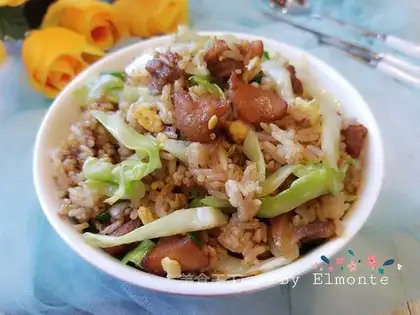 Scrambling"
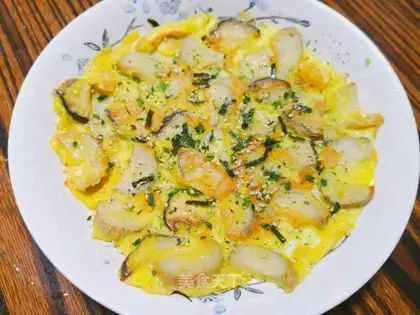 Apricot eggs"
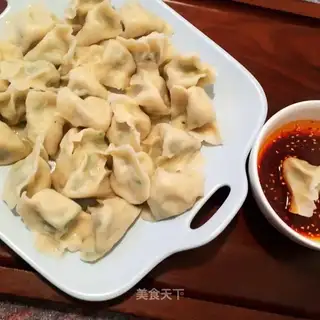 Pork dumplings"
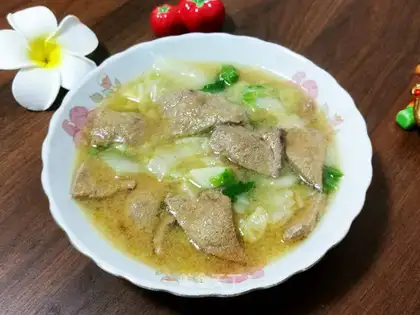 Pork soup"
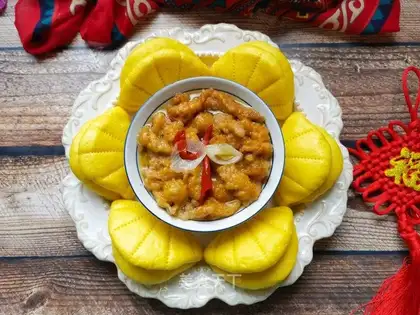 A loaf and a souffle"
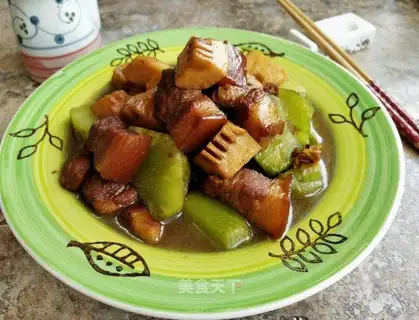 Double red meat"
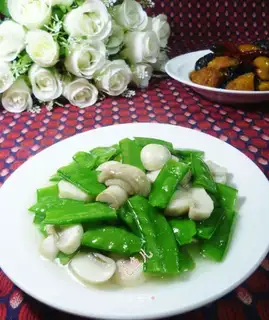 Fresh mushrooms. Dutch beans"
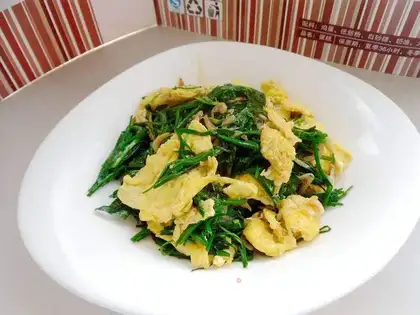 Eggs, shrimp, casserole"
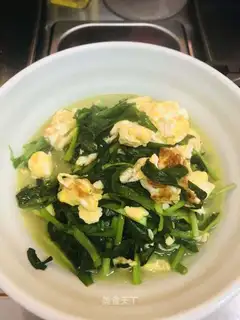 Scrambled eggs"
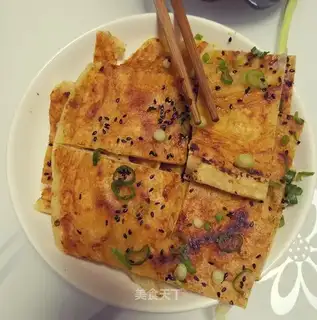 Sake"
Sake"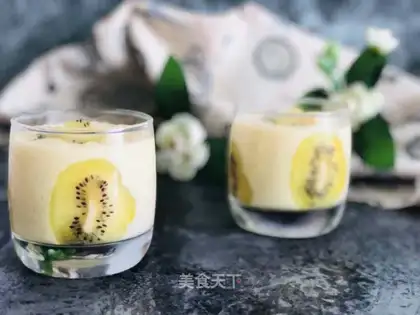 Mango milkshake"
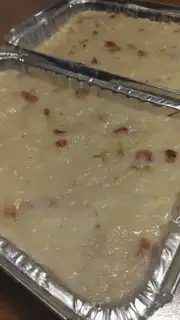 radish cake"
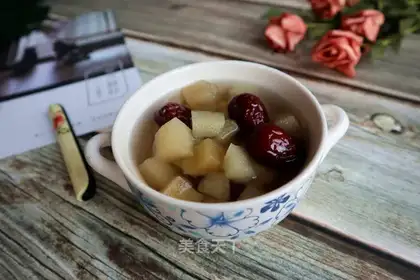 Twin fruit-tree tea"
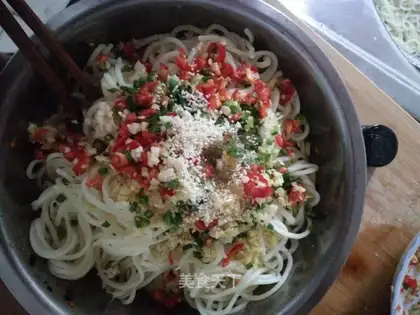 Cold noodles"
 Strawberry pudding"
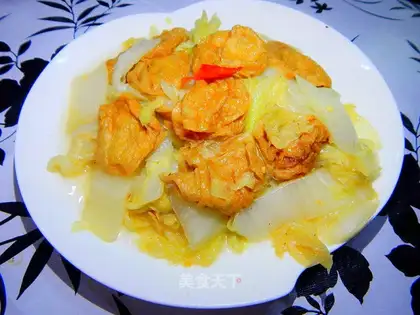 Bean bubbling"
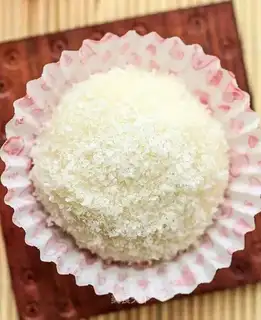 I don't know"
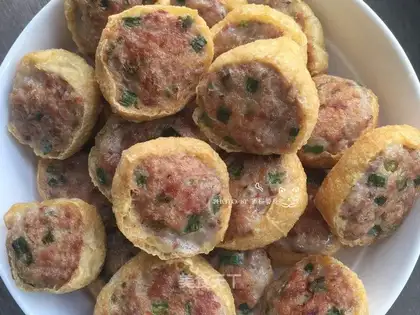 It's soybean"
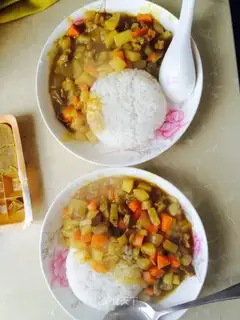 Beef curry"
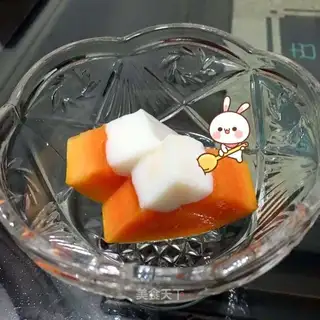 Cucumber coconut cream"
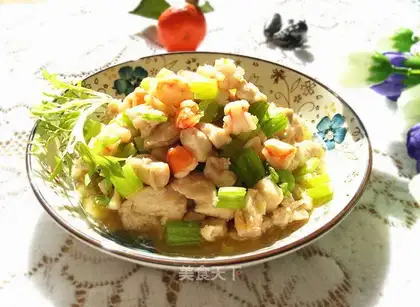 In the chicken"
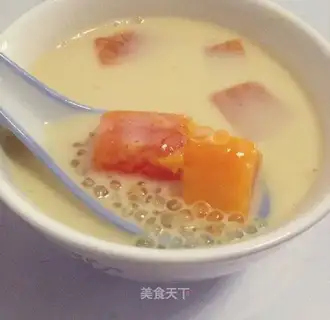 Cucumber-cream Simillo"
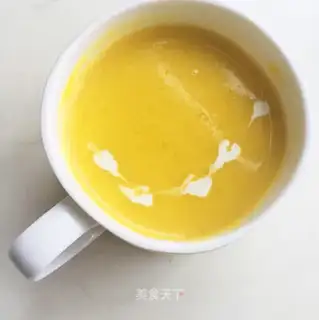 Pumpkin soup"
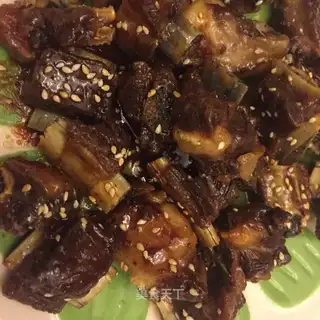 Sugar vinegar ribs"
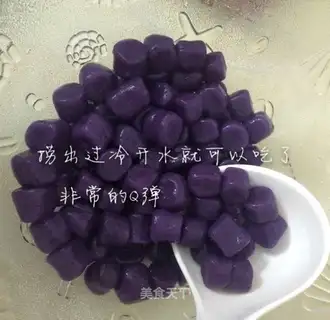 Q POTATOBALLS"
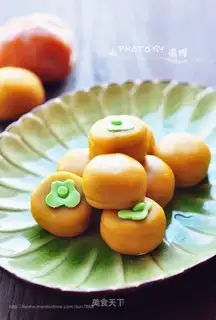 It's good"
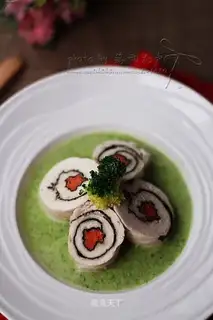 Like chicken rolls"
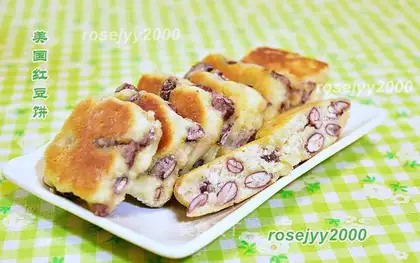 American red bean pie"
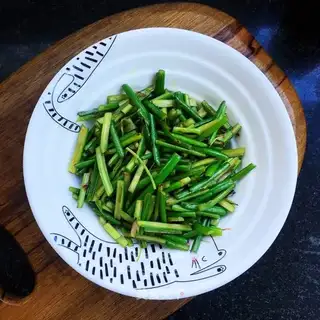 Pelican and garlic"