The New Year’s Eve feast, or "Nianye Fan," is the heart of Chinese Spring Festival celebrations, and no dish embodies its festive spirit more vividly than the golden roasted chicken. Symbolizing "good fortune" and "auspiciousness" (a play on words, as "chicken" or "ji" sounds like "luck" in Chinese), this centerpiece dish transforms the dinner table into a vibrant tableau of tradition and joy.
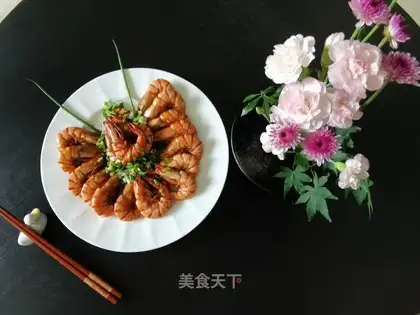
Prepared with meticulous care, the chicken is marinated in fragrant spices like ginger, star anise, and soy sauce, then roasted to a glistening amber hue, its skin crisp and shimmering like gold. Arranged surrounded by colorful vegetables, red dates, and pomelos—each ingredient carrying auspicious meanings—the dish not only delights the palate but also weaves a story of hope. As families gather around the table, sharing the tender meat and crispy skin, the golden rooster becomes a symbol of unity, prosperity, and the promise of a fresh start.
Beyond its culinary appeal, the dish carries deep cultural weight. It honors the ancient belief that the rooster’s crow heralds dawn, driving away darkness and misfortune. In this way, the New Year’s Eve feast, with its golden rooster at the helm, becomes more than a meal—it is a ritual of gratitude, a toast to new beginnings, and a heartfelt wish that luck and happiness will "crow" in the year ahead. As laughter fills the air and chopsticks clink, the golden rooster truly "reports joy," uniting hearts in the warmth of family and the promise of a brighter tomorrow.
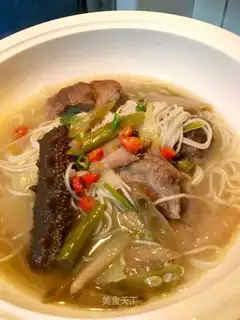 Pickle ribs, cucumber"
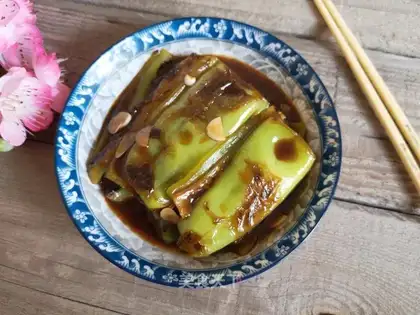 Tied peppers"
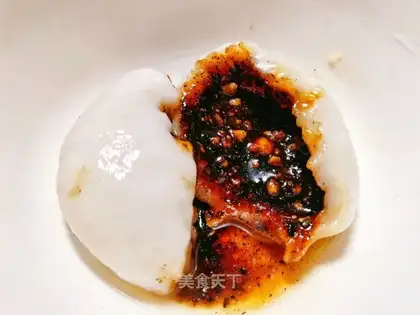 Soup full"
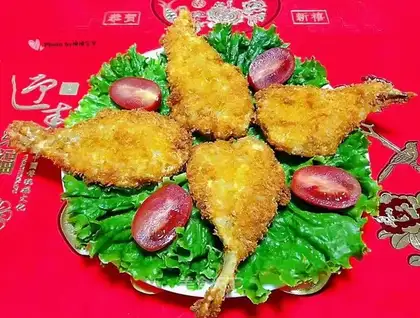 Snack butterflies"
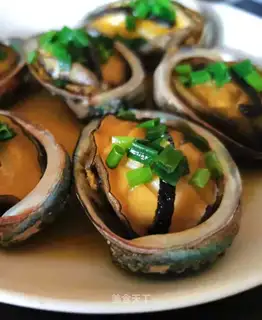 Abalone"
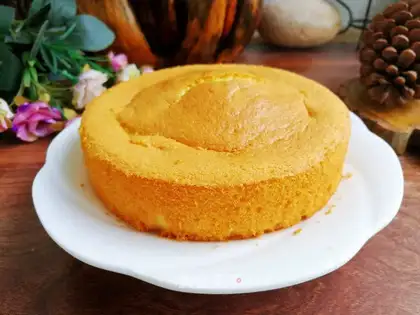 Six-inch sponge cake"
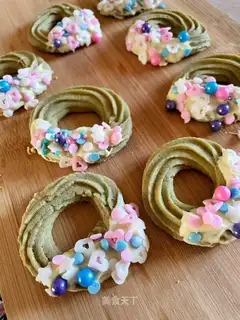 Christmas ring cookies"
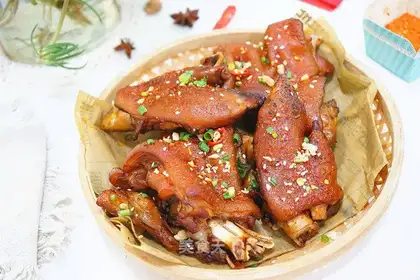 Roasted pig hoof"
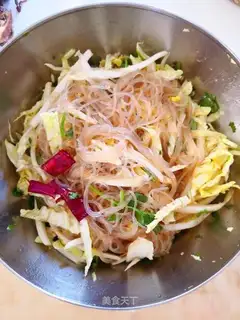 A cabbage fan"
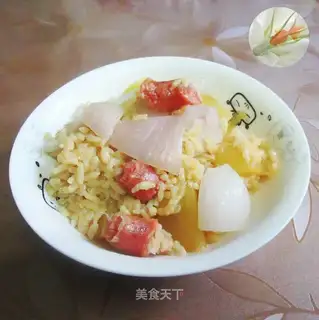 Onion sausage potato rice"
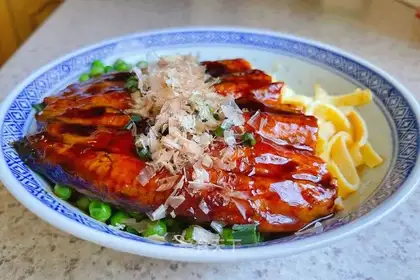 Eel rice"
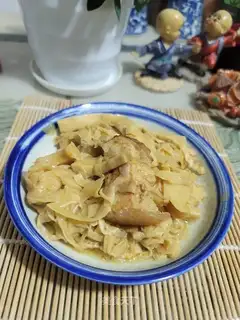 Five flowers and phoenix"
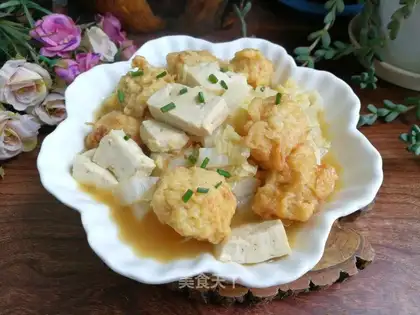 Bean-to-cooked meatballs"
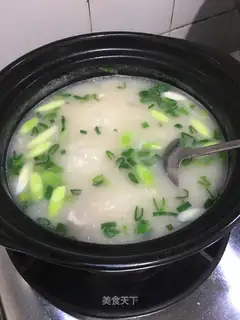 Guangdong's bony porridge"
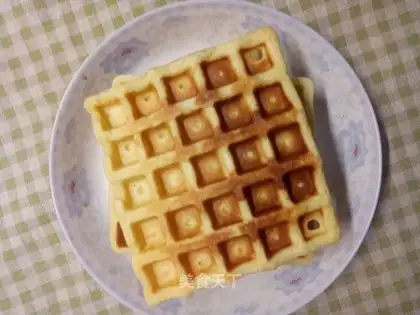 Waffles"
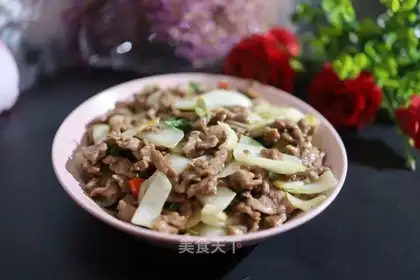 Cream beef"
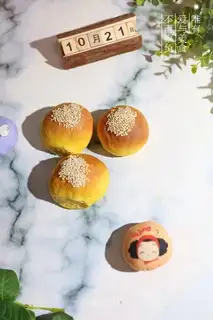 Pumpkin chicken bread"
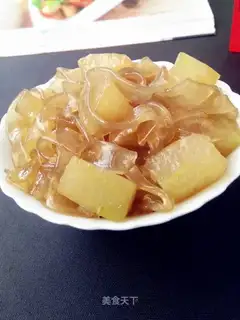 Powder"
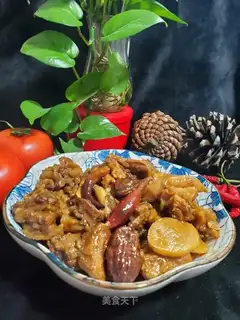 Red calf"
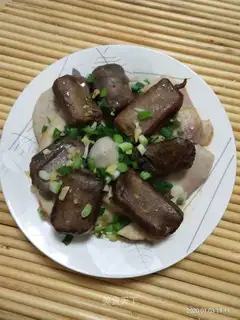 Steamed taro"
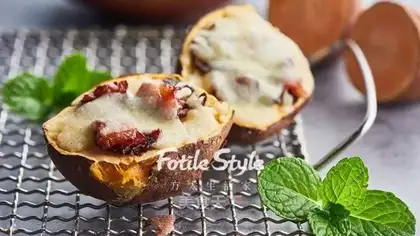 Cheese cream and potatoes"
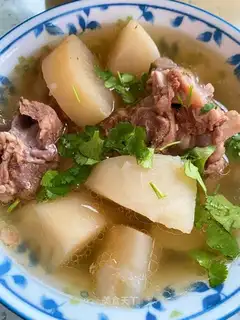 Roach and lamb soup"
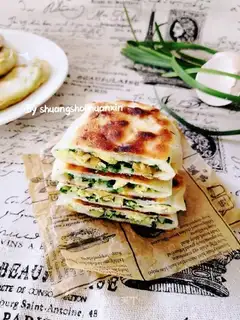 An egg box of celery"
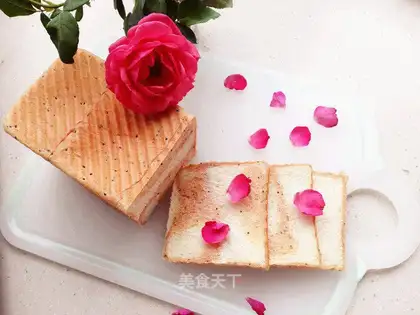 Flamingo toast"
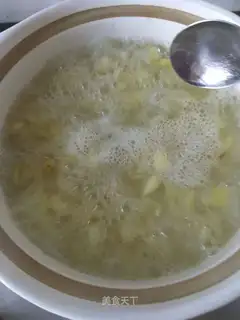 Lily's sweet soup"
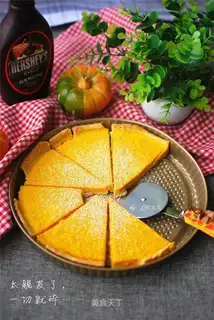 Ten inches of pumpkin cheese"
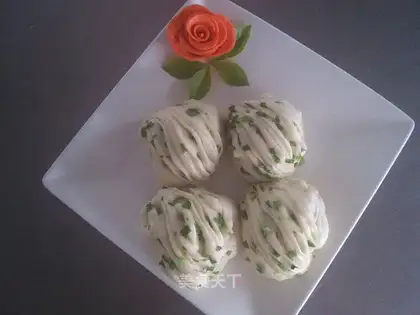 Onion roll"
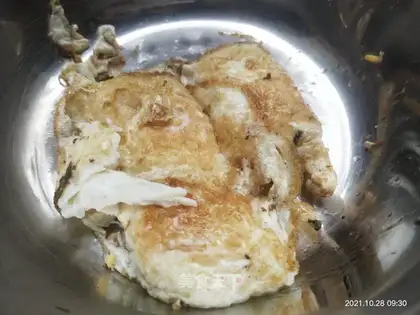 Fried eggs"
 It's"
It's"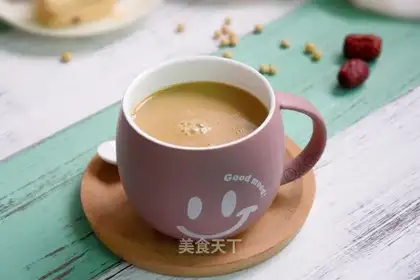 "Red dates and soybeans.""
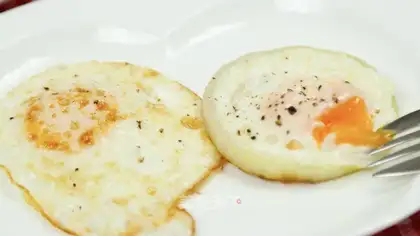 Fried eggs"
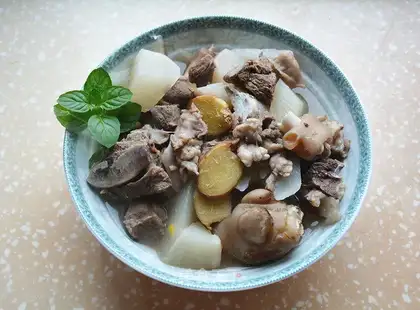 A lamb stew"