New Year’s Eve dinner is incomplete without lucky sweets believed to usher in good fortune. These desserts, more than just treats, carry symbolic hopes for prosperity, happiness, and new beginnings.
A must-have is niangao (glutinous rice cake), whose name sounds like “higher year by year.” Its sticky texture symbolizes family bonds, while eating it represents climbing toward success—whether in career, studies, or health. Another favorite is tangyuan (sweet rice balls), round and white, signifying reunion and completeness. Shared among family, they embody harmony and the sweetness of togetherness.
For those craving a fruity twist, kumquat or mandarin oranges are ideal. Their golden color and name (a pun on “luck” in Chinese) attract wealth, while their segments represent family unity. Sweet rice dumplings with red bean paste are also popular, as red wards off evil, and the sweetness ensures a year filled with joy.
These lucky desserts add a magical touch to the feast, reminding us that sweetness in life starts with intention. As we savor each bite, we toast to a year filled with love, luck, and abundance—one sweet moment at a time.
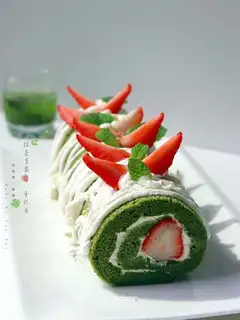 Scrubbles"
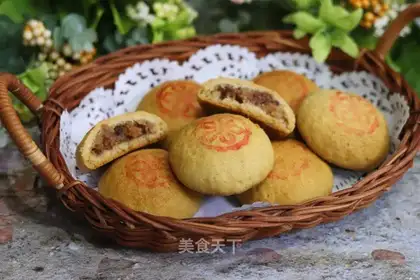 Cake"
Cake"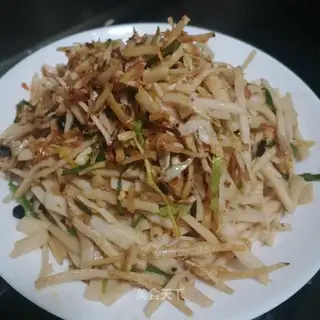 Spicy tacos"
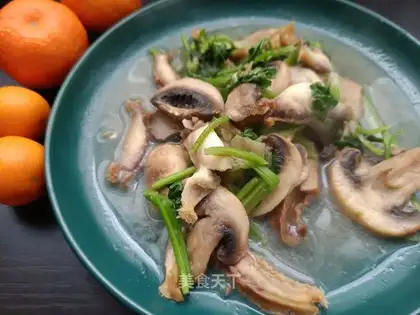 Abalone"
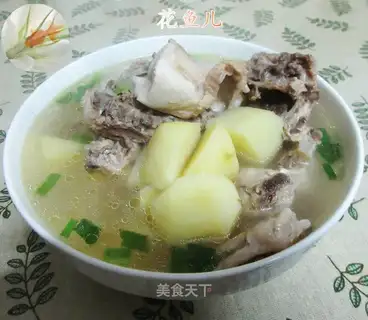 Potato chicken soup"
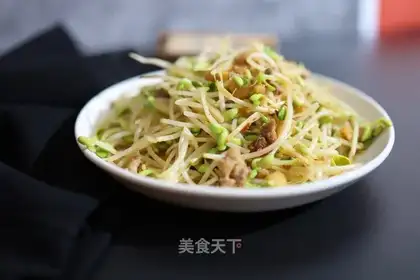 Rhodish radish sprouts"
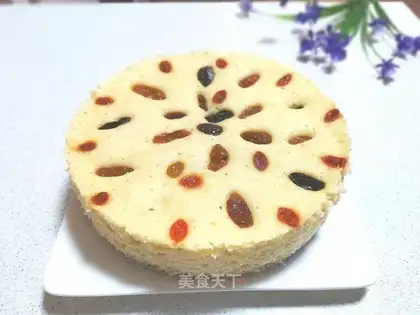 Pyramid Mowder"
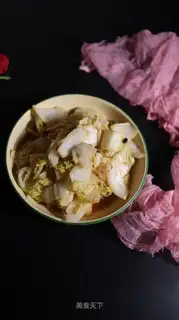 Soy-doved cabbage"
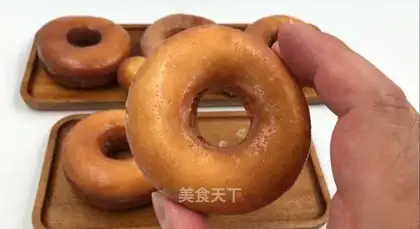 Homemade doughnuts"
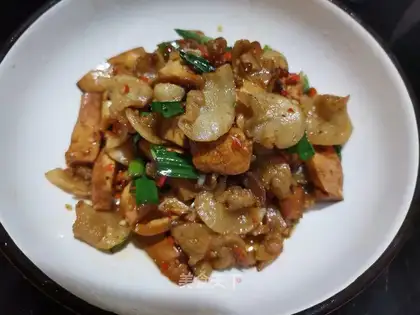 Scrambled oil"
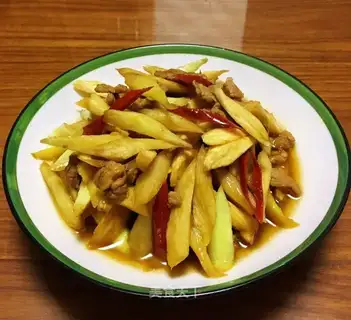 White-fried meat"
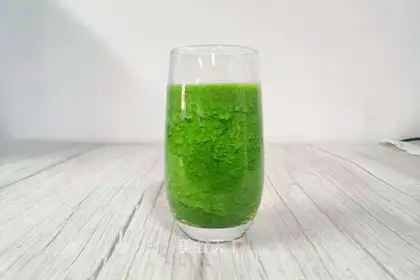 Spinach juice"
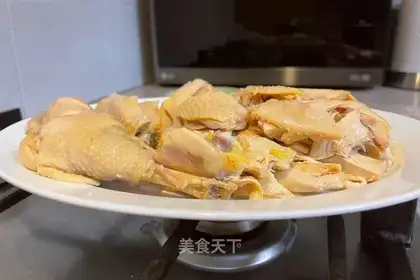 White pheasant"
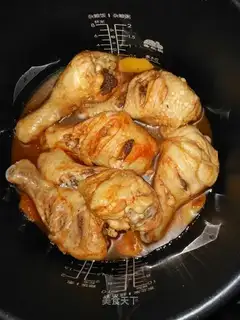 I'll cook chicken legs"
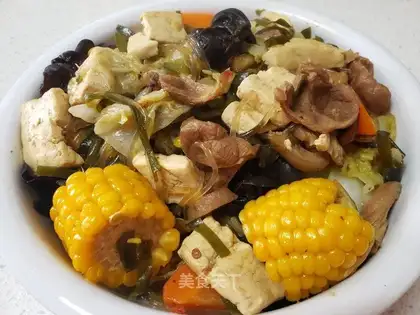 Corn stew"
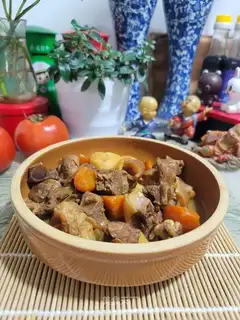 Red lamb"
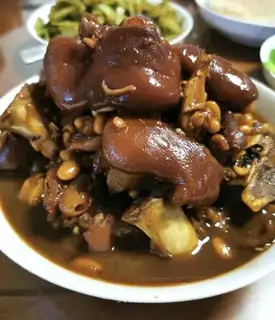 Red wine and pig hoof"
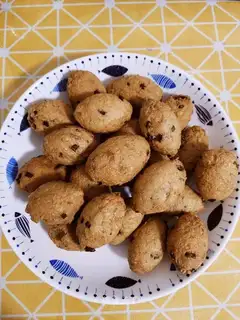 Tofuballs"
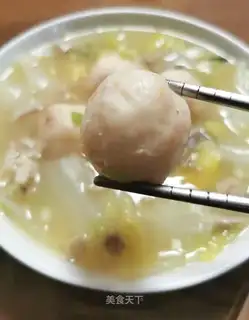 Shrimpball, yellow-heart chicken soup"
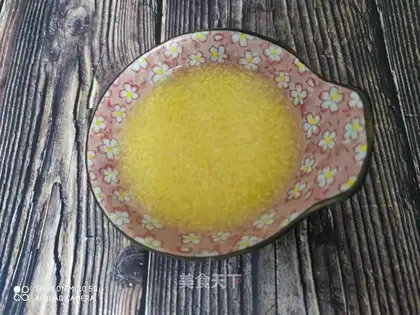 Porridge"
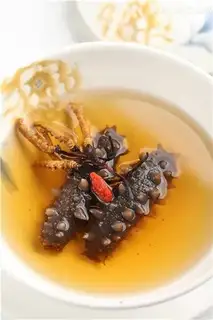 Ring the bell, sea cucumber"
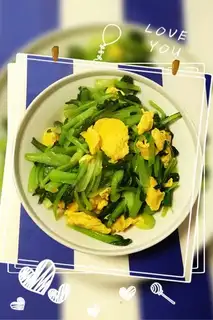 Cracked eggs"
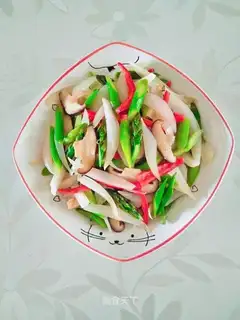 Onion mushrooms"
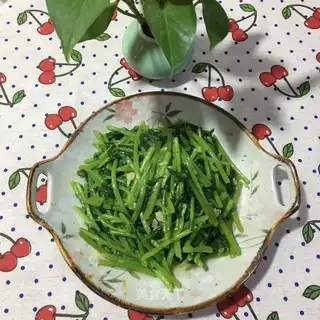 Garlic paste"
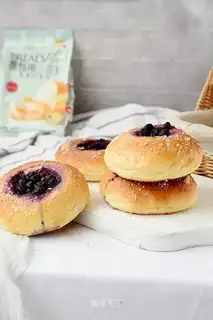 Blueberry bread"
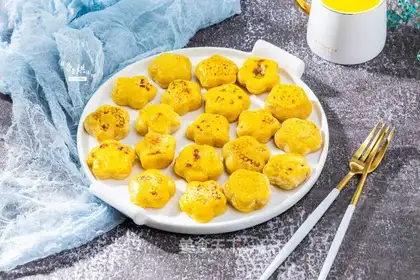 A potion cake"
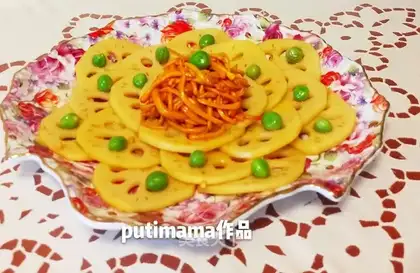 The Creativity Creaming"
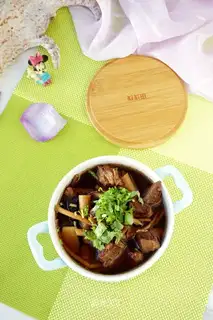 The date is beef soup"
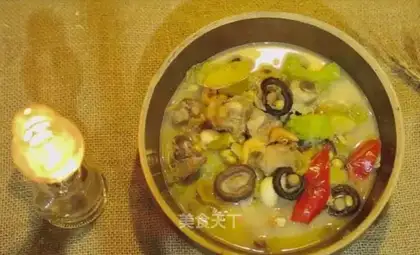 Battery soup"
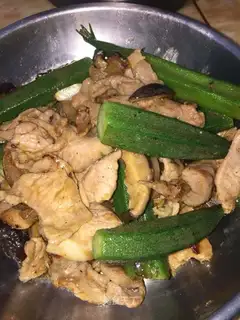 Scrambled pork"
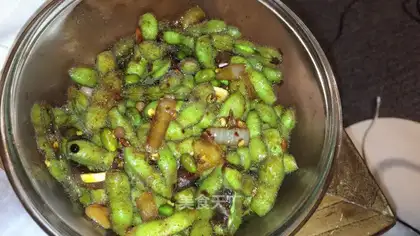 I'm the one who's the boss of the night"
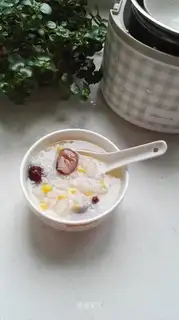 Corn-tree rice congee"
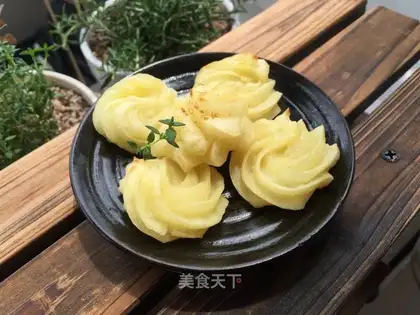 Potatoes"
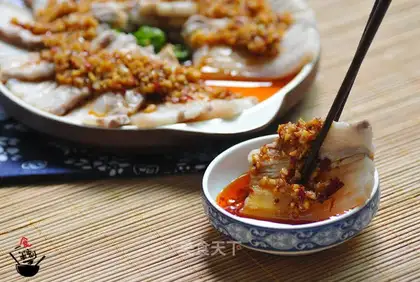 Garlic white meat"
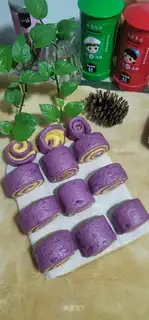 Potato-coloured buns"
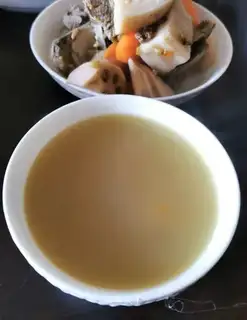 ♪ Fan-bone green bean soup ♪"
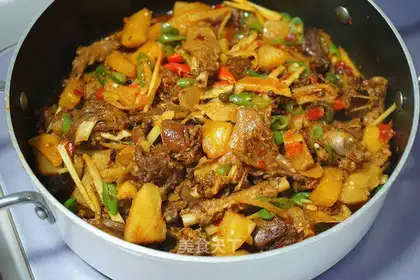 Queen Duck Potato"
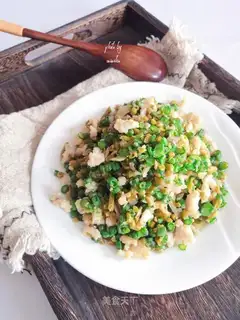 Bad meat beans"
 Cracker toast"