Apple cider vinegar (ACV) is a versatile, health-boosting staple, and making it at home is simple. Here’s a step-by-step guide to crafting your own raw, unfiltered ACV.
Ingredients & Tools: You’ll need organic apples (preferably sweet and tart varieties, like Fuji or Granny Smith), filtered water, a large glass jar, cheesecloth, and a rubber band.
Step 1: Prepare the Apples
Wash and chop the apples, leaving the cores and peels intact—they contain natural yeast and bacteria crucial for fermentation. Remove any seeds.
Step 2: Create the Apple Mash
Fill the jar halfway with chopped apples, then top with filtered water, leaving 2-3 inches of headspace. Stir well. Cover the jar with cheesecloth and secure it with a rubber band to allow airflow while keeping out insects.
Step 3: First Fermentation (Alcoholic)
Store the jar in a dark, warm place (60–80°F/15–27°C) for 1–2 weeks. Stir daily. You’ll notice bubbling as yeast converts sugars into alcohol—this is the "hard cider" stage.
Step 4: Second Fermentation (Acetic)
Strain out the apples, reserving the liquid. Return the liquid to a clean jar, cover again with cheesecloth, and let it ferment for another 4–6 weeks. The alcohol will turn into acetic acid, giving ACV its signature tang.
Step 5: Bottle and Store
Once the vinegar has a sharp, sour smell and a cloudy appearance (the "mother" culture, a beneficial enzyme-rich substance, forms), bottle it in airtight containers. Store in a cool, dark place. It lasts indefinitely!
Tips: Use organic apples to avoid pesticides. For flavored ACV, add herbs like rosemary or garlic during the second fermentation. Enjoy in dressings, drinks, or as a natural remedy!
 Sweet and sour apple ribs"
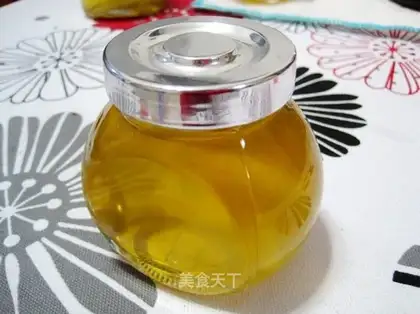 apple cider vinegar"
 apple cider vinegar"
 Apple vinegar water radish"
 apple cider vinegar"
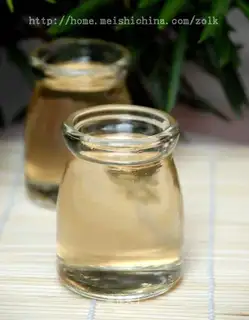 apple cider vinegar"
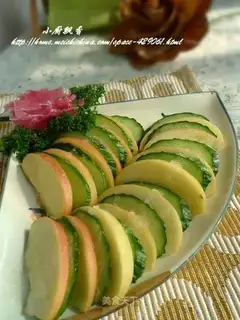 Sweet and sour apples mixed with cucumber"
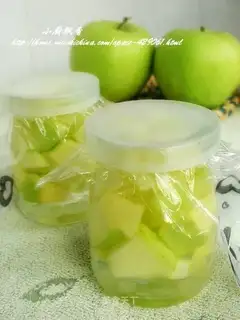 apple cider vinegar"
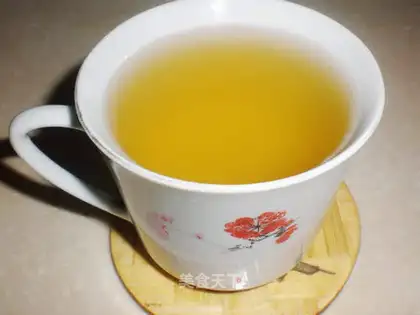 Homemade apple cider vinegar"
 Light cream toast"
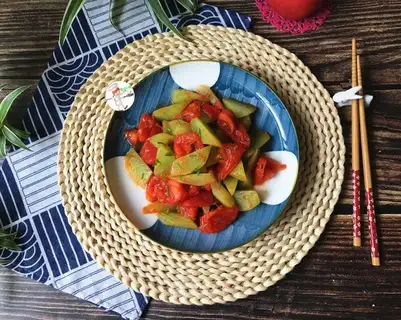 Tomatoes"
 Salted egg yogurt cake"
 Delicious spicy crabs"
 Sour buns"
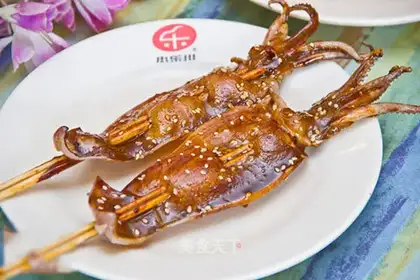 Delicious squid"
 The Quixian family's souffle"
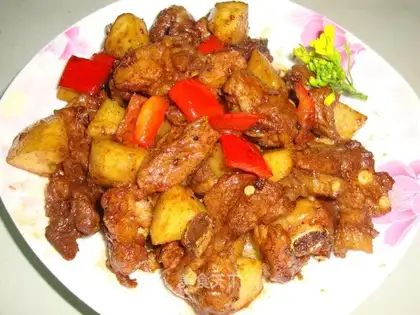 Apple sugar and vinegar ribs"
 Banana apple vinegar"
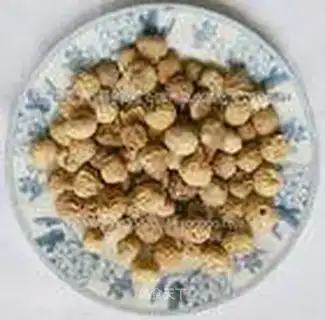 It's homemade"
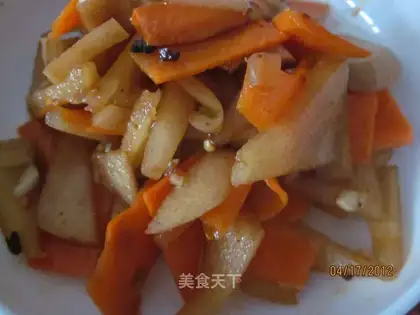 Cold vinegar apples"
 Clever making apple cider vinegar"
 Spicy tofu"
 loofah soup"
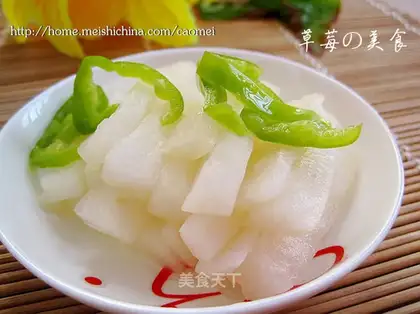 Marinated sour and crisp radish with apple cider vinegar"
 Tomato and cabbage"
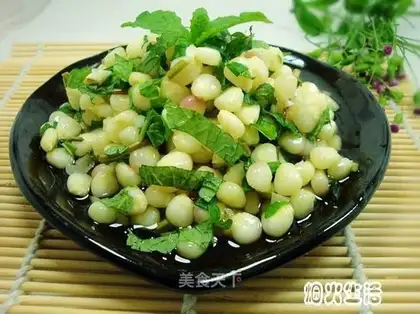 Mint apples and corn"
 Crystal Chicken"
 Silver ear apple vinegar"
 May apple vinegar"
 Berry banana marfin"
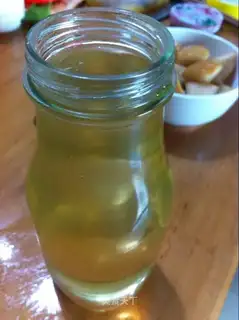 Apple vinegar"
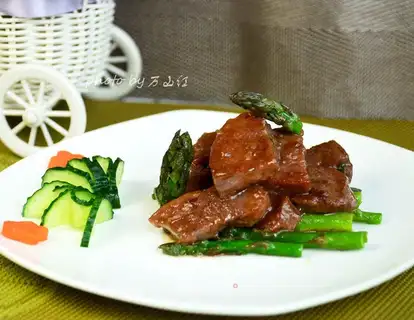 Pelican steak"
 Rose apple vinegar"