The New Year's Eve dinner in East China is a heartwarming tapestry of flavors, symbolizing prosperity and family unity. Steamed fish, often a whole carp, takes center stage, with its name "yu" (鱼) sounding like "surplus," signifying abundance for the coming year. Braised pork belly, slow-cooked in soy sauce and rock sugar, glistens with a glossy glaze, representing wealth and sweetness in life.
Dumplings are a must-have, especially in Jiangsu and Zhejiang, where families gather to fold them into shapes resembling ancient gold ingots, hoping for fortune. In Shanghai, "niangao" (glutinous rice cake) is star, either stir-fried with pork or steamed plain, as its name "gao" (高) means "higher," implying progress and growth.
Vegetable dishes like "winter bamboo shoots" add a crisp, fresh contrast, while "tangyuan" (sweet rice balls) round off the meal, their roundness symbolizing togetherness. Each dish carries generations of love and tradition, making the feast more than a meal—it’s a celebration of heritage and hope for the new year.
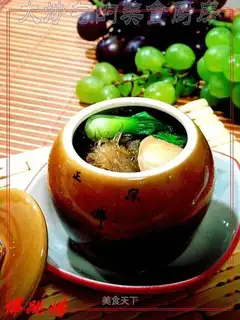 Buddha jumps"
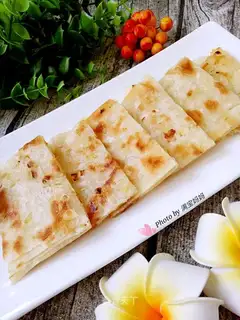 Skin onions"
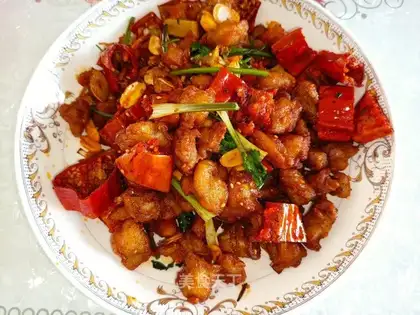 The red legs"
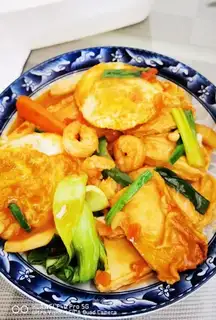 Improved spicy pot"
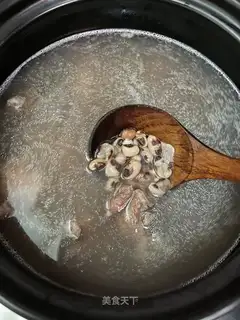 Bones soup"
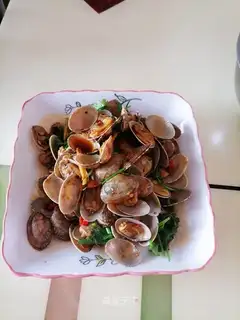 Saffron"
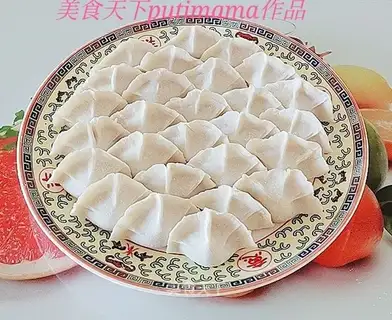 Ate dumplings in the first five months"
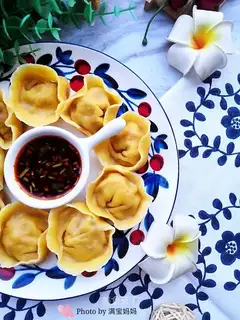 Kim Won-bok dumplings"
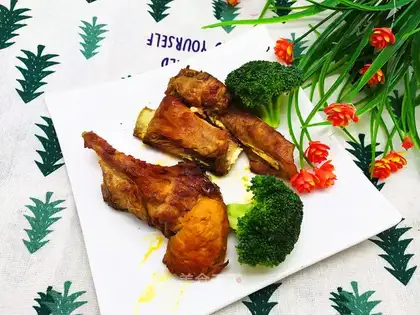 Burning ribs"
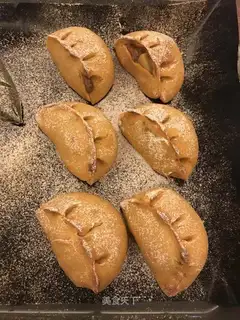 Carrot curry bread"
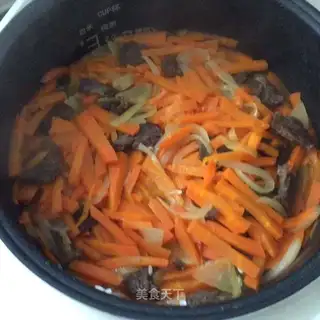 Hands on rice"
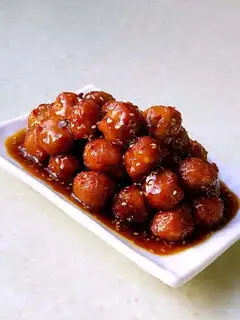 Sugar Jell-O"
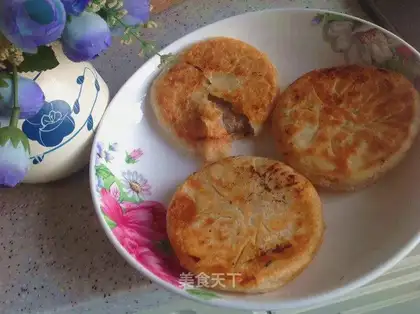 Beef pie"
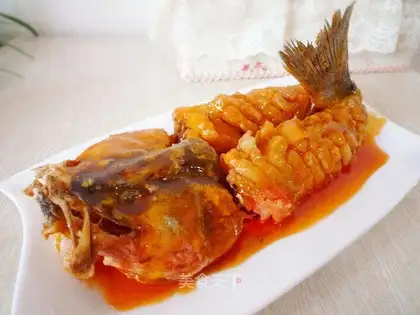 Squirrel fish"
 Black sesame cream waffles"
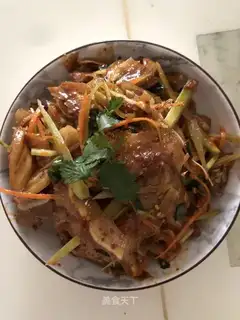 Spicy oars"
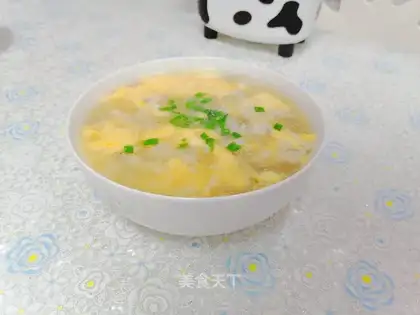 Fungusball soup"
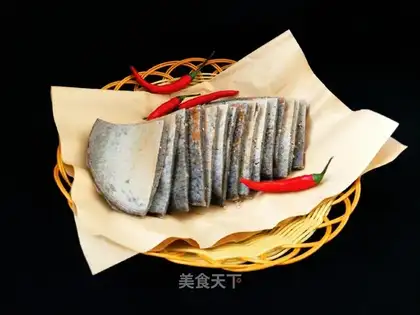 Eggcake"
 Sandpot popcorn"
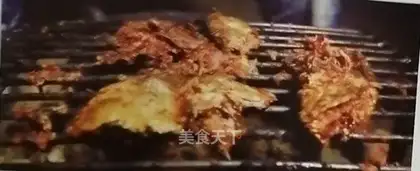 The sour fish"
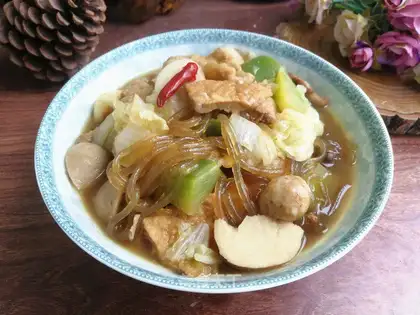 Sour stew"
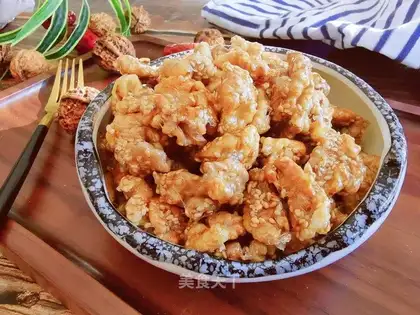 Amber walnuts"
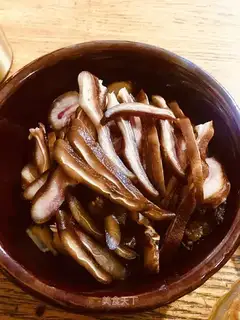 Vague ears"
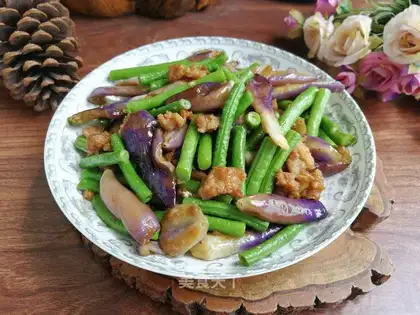 Potato eggplant"
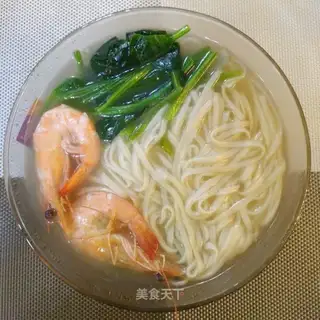 Shrimp spinach noodles"
 Blueberry jam"
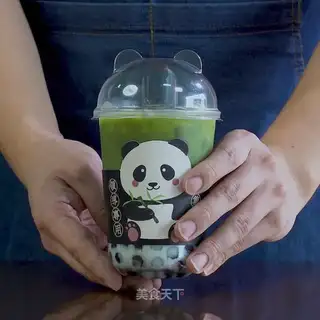 I'll make some tea"
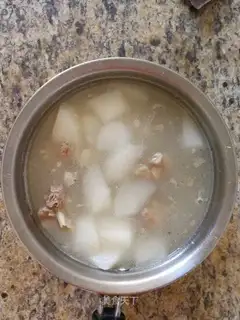 radish bone soup"
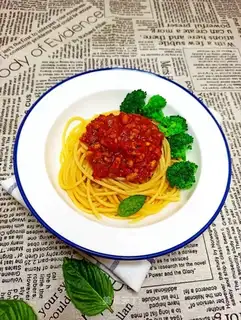 Sausage pasta"