Camellia oil, prized for its nutty flavor and health benefits, is a staple in Asian cuisine. Here’s a detailed guide to making it at home.
First, select high-quality camellia seeds. Remove any impurities and sun-dry them thoroughly until the moisture content drops below 10%. For cold-pressed oil, dry-roast the seeds lightly in a pan over low heat to enhance aroma, then grind them into a fine paste using a stone mill or blender.
Next, heat the paste to 60–70°C (140–160°F) in a stainless steel pot to release oil. Transfer the paste to a oil press or a traditional cloth-lined wooden press. Apply steady pressure to extract the oil, which will drip into a container. For small batches, wrap the paste in cheesecloth and squeeze manually.
Filter the crude oil through a fine mesh or coffee filter to remove residue. Store it in airtight, dark glass bottles away from sunlight to preserve freshness.
This process yields pure, unrefined camellia oil perfect for salads, stir-fries, or as a dipping sauce. Adjust roasting time to control flavor intensity—from light and delicate to rich and robust. Enjoy this wholesome oil crafted with care!
 Thai pineapple fried rice"
 Clear the chicken head"
 Steamed eggs"
 SPICY SEAFOOD"
 Baby eats pumpkin mud"
 Five perfumed tea"
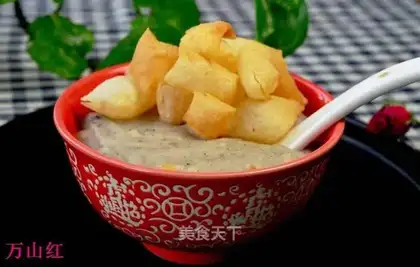 Henan nut oil tea"
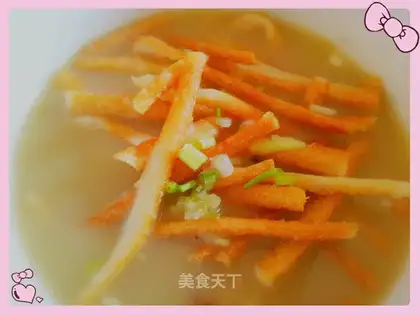 Quillin oil tea"
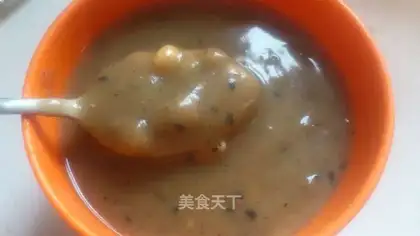 Spicy tea"
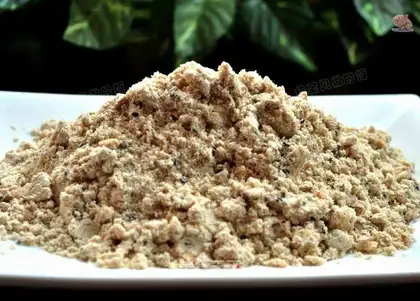 Five salted teas"
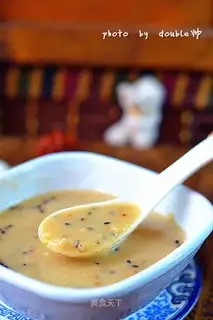 Five salted teas"
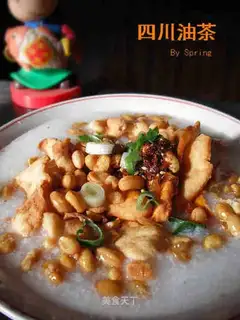 Sichuan Oil Tea"
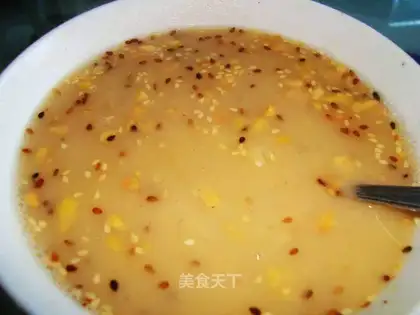 Homemade oil tea"
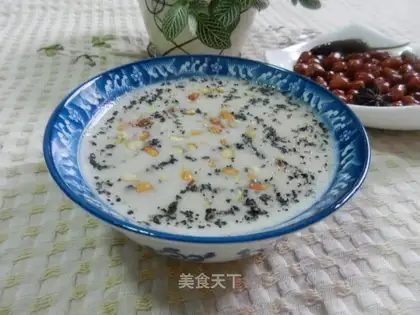 The soy-muffled tea"
 Coconut milk"
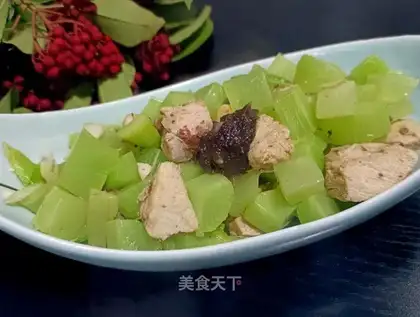 I'll make a chicken"
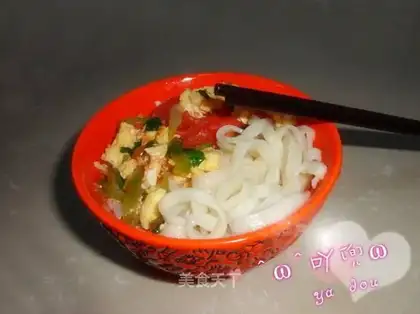 Tomato egg noodles"
 Camellia Oleifera"
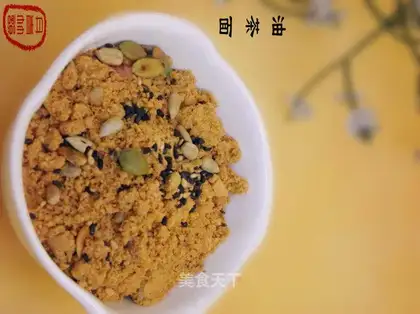 Home-made oily tea noodles"
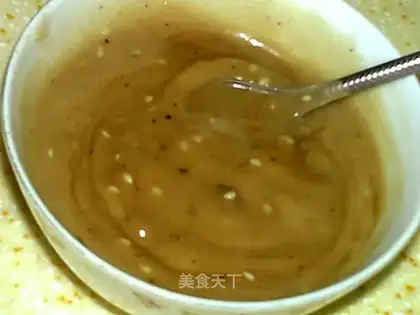 Youcha noodles"
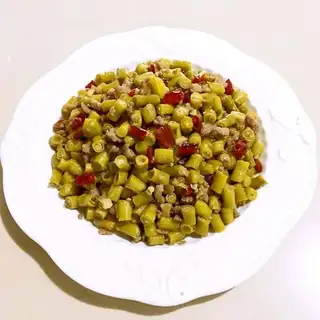 Potato beans"
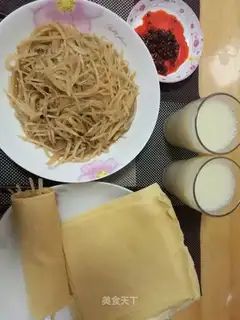 Jealousy potatoes"
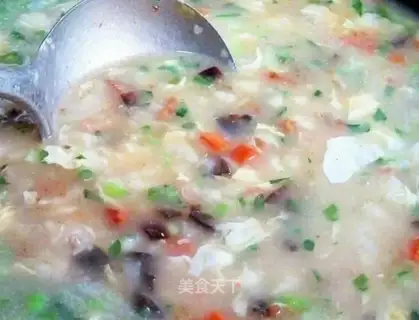 Pumps"
 A kerosene towel"
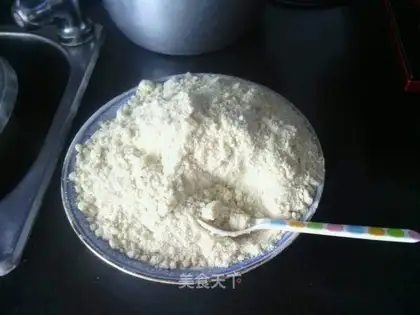 Homemade tea noodles"
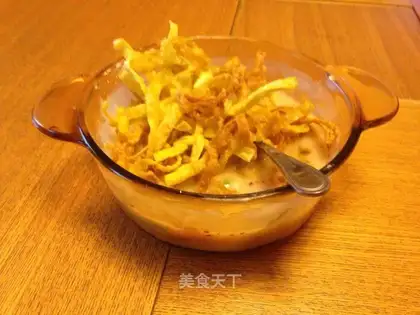 Chongqing Tea"
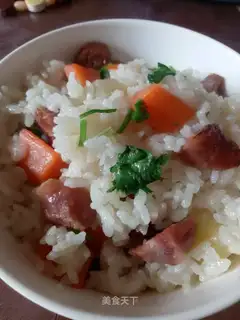 Sausage"
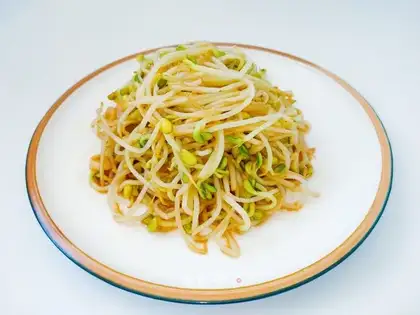 Soybean sprouts"
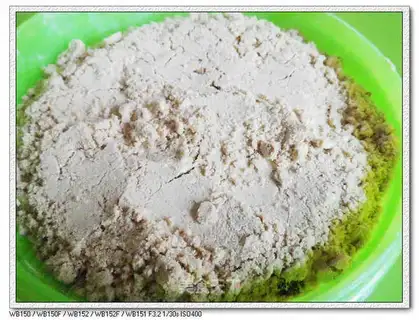 Cream tea"
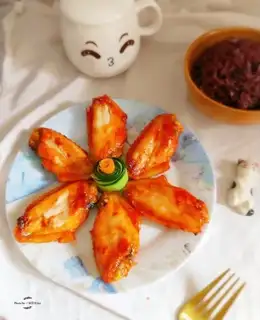 New Orleans"
 Tomato oxen"
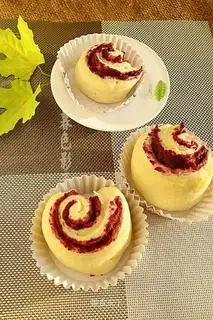 Plot"
Plot"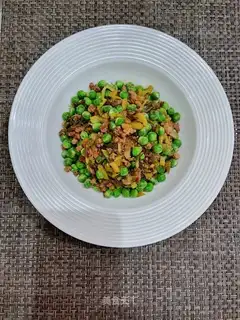 Soybeans, fried meat"
 Twisting chips"
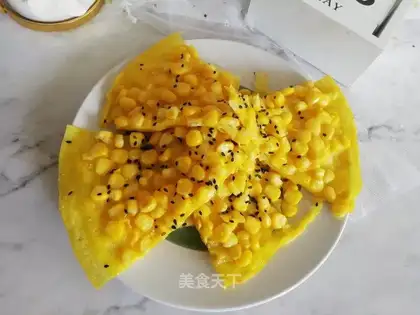 Corn brand"
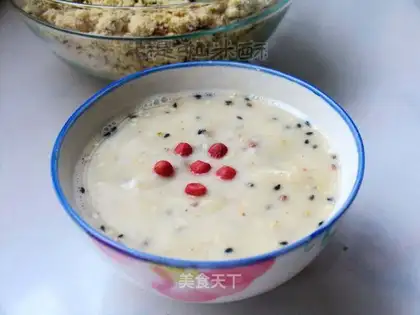 Wurenxian Camellia oleifera"
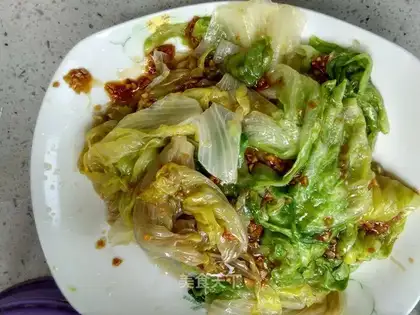 Pelican"
 Tea noodles"
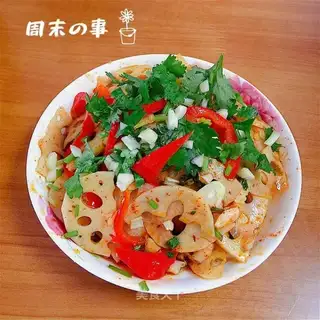 It's sour spicy"
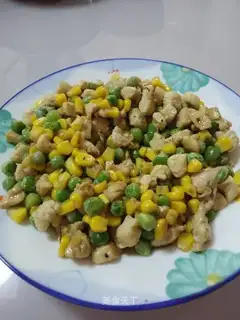 Corn-cracked chicken"