The New Year’s Eve dinner in Southwest China is a vibrant celebration of regional flavors, where bold spices, fresh ingredients, and cultural symbolism unite on the table. Center stage is often *Yunnan Ham*, air-cured to perfection, its salty depth complementing stir-fried vegetables like *potherb mustard* or *bamboo shoots*. Sichuan’s iconic *Mapo Tofu* makes a frequent appearance, its numbing Sichuan peppercorns and fiery chili oil warming hearts, while *Duck Blood and Bean Curd Soup* adds a silky, umami-rich touch.
No feast is complete without *glutinous rice cakes*, symbolizing progress and prosperity, often pan-fried until golden and drizzled with honey. In Guizhou, *sour fish soup*, simmered with tomatoes and pickled vegetables, balances tanginess and richness, reflecting the region’s love for fermented flavors. Desserts like *taro balls* in sweet ginger syrup or *red date cakes* offer a sweet finish, wishing for sweetness in the coming year.
More than a meal, this spread tells stories of family and heritage, with each dish carrying blessings for health, unity, and fortune. It’s a feast that ignites the senses and honors traditions, making New Year’s Eve a truly unforgettable experience in Southwest China.
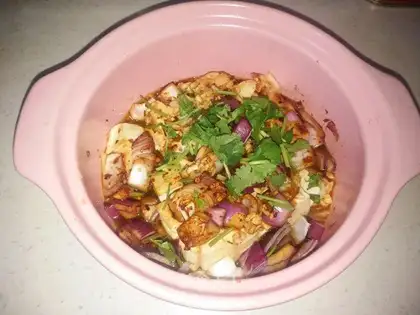 Spicy oven tofu"
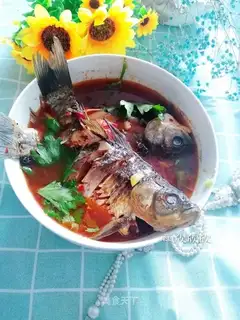 Spicy sauerkraut"
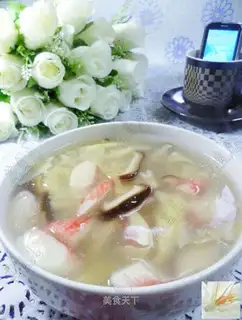 Crab willow mushrooms"
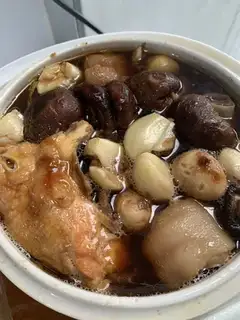 Family version of the Buddha Jump Wall"
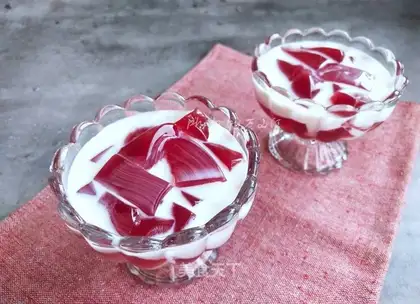 Milk and plum ice powder"
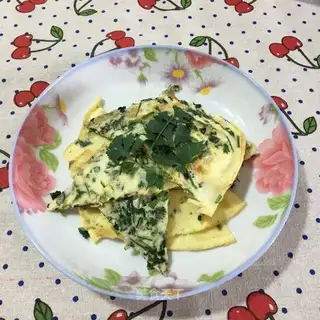 Quaffles"
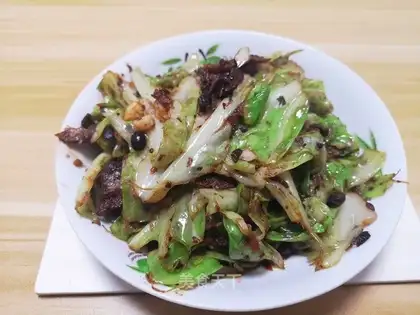 Beanfish cabbage"
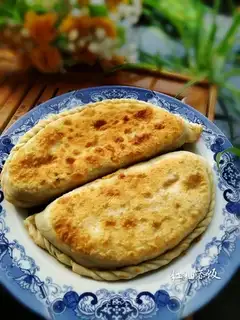 The fragrance box"
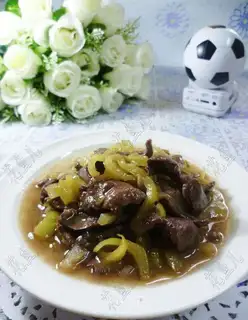 ♪ Sour and sour ♪"
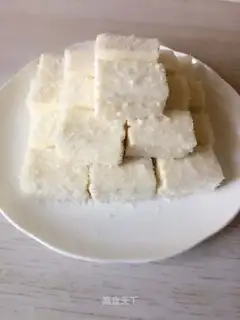 Coconut milk"
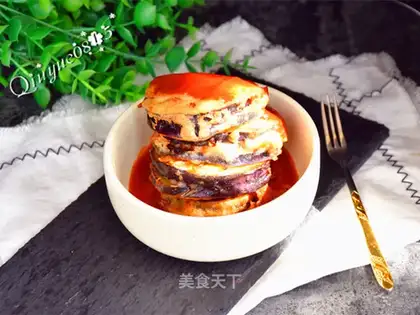 Sugar and vinegar boxes"
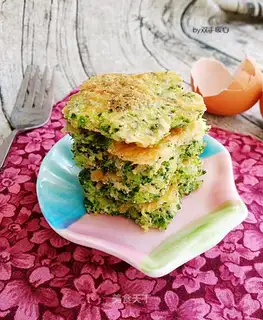 Orchid fried eggs"
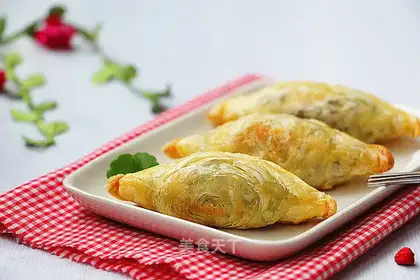 Red soufflé"
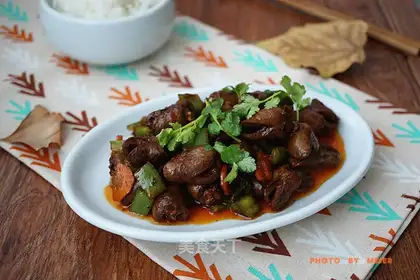 Hot chicken heart"
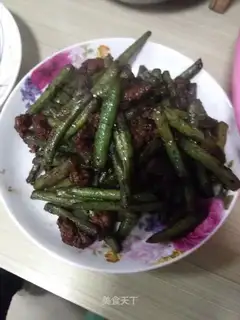 Soybeans"
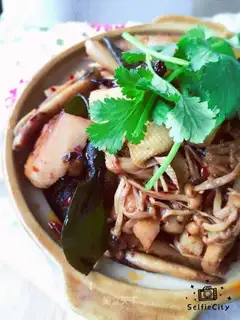 Spicy pot"
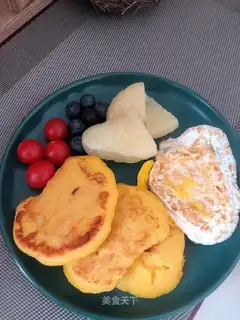 Fried buns"
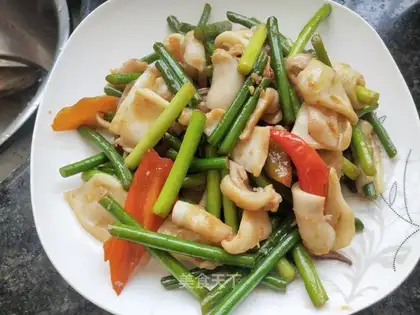 Squid"
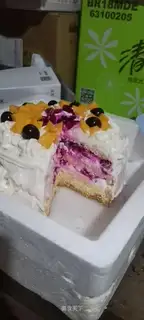 Eight-inch cake"
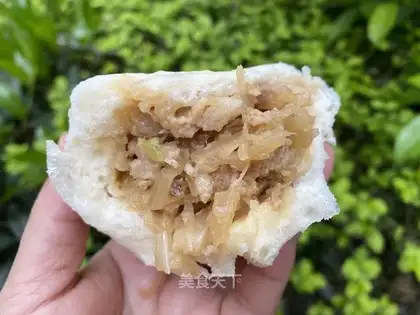 The radish oil bag"
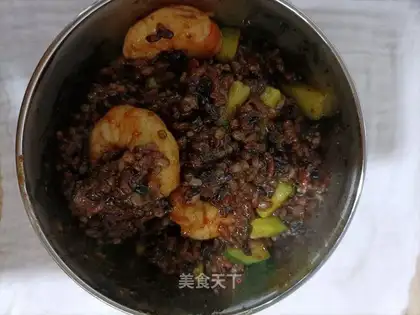 Three-coloured rice fried rice"
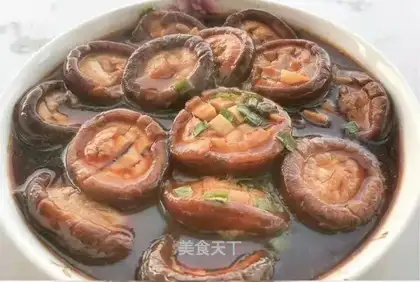 Sphinx"
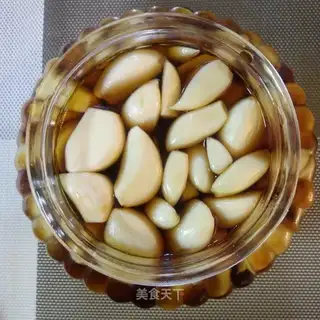 It's not worth it"
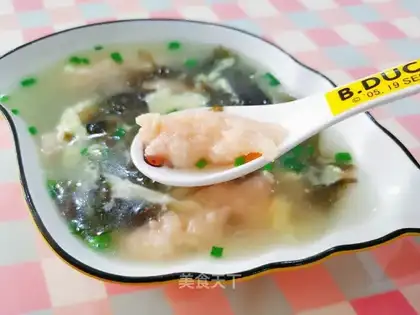 Shrimp pickles and egg soup"
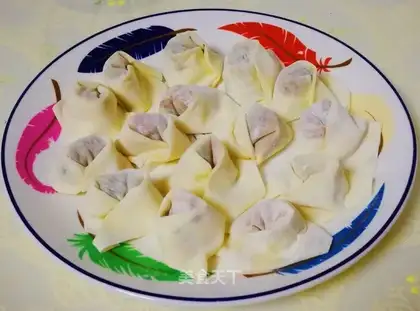 Chiu Chou's soup"
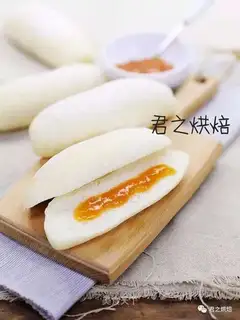 Milk white bread"
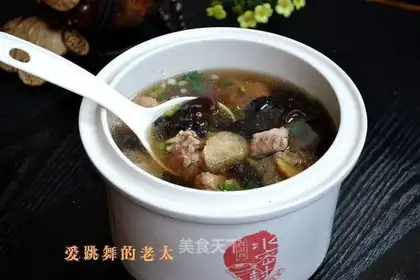 Pyramid hepatobacteria"
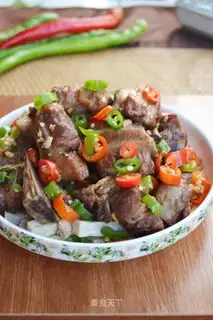 Cross the bridge ribs"
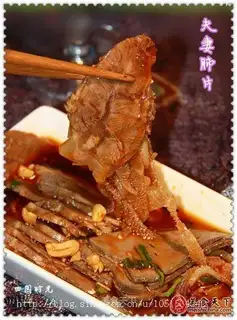 Couple of lungs"
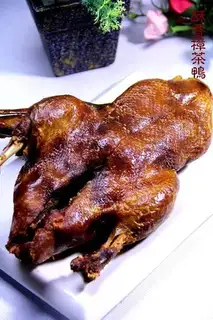 Crispy camphor tea duck"
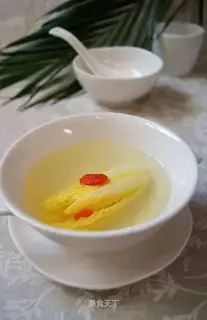 boiled cabbage"
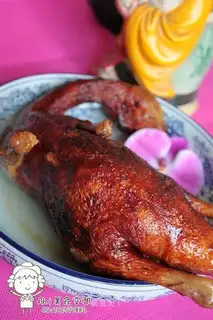 sweet duck"