For Chinese families in Central China, especially Hubei province, the New Year's Eve reunion dinner is a sacred ritual brimming with symbolism, and the menu tells a story of prosperity, unity, and tradition. Steamed fish, usually a whole grass carp, is the undisputed star. Its name, "yu," sounds identical to "surplus," signifying abundance for the coming year. The fish is often served with a savory soy sauce and ginger broth, its head and tail symbolizing a complete start and finish to the year.
Equally vital are plump, juicy dumplings, shaped like ancient gold ingots and lovingly prepared by multiple generations. They represent wealth and good fortune, with hidden coins sometimes tucked inside for lucky finders. Braised pork belly, slow-cooked until tender and glistening with a sweet-salty soy-based glaze, offers richness and satisfaction. A vibrant vegetable stir-fry, often featuring bok choy or mushrooms, adds color and balance, representing life and growth. No feast is complete without *Niangao*, sticky rice cake. Its name, "niangao," translates to "higher year," embodying hopes for progress and promotion in the new year. Each dish, meticulously prepared and shared, weaves a tapestry of flavor and meaning, binding the family together in celebration and hopeful anticipation.
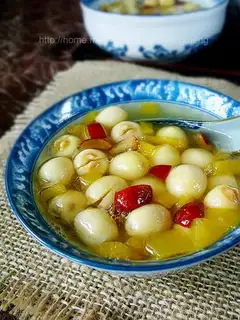 Crystal sugar Xianglian"
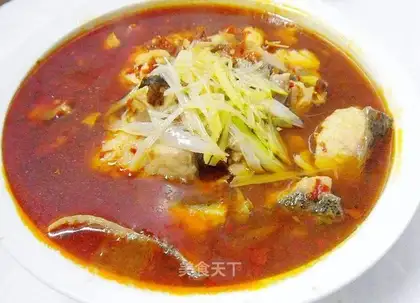 Red soup fish"
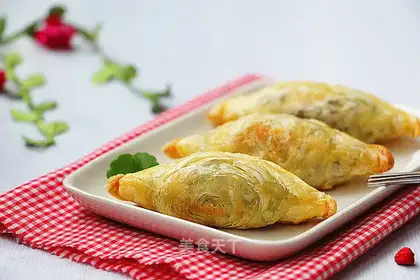 Red soufflé"
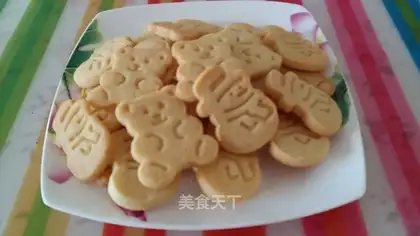 Cookie"
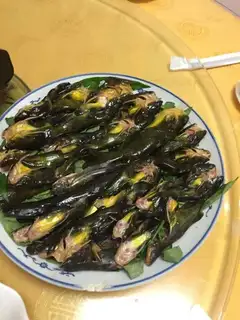 Bones"
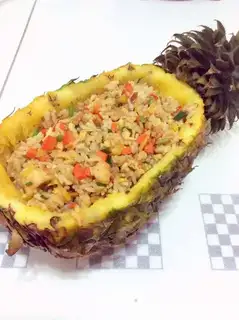 Shrimp eggs and pineapple fried rice"
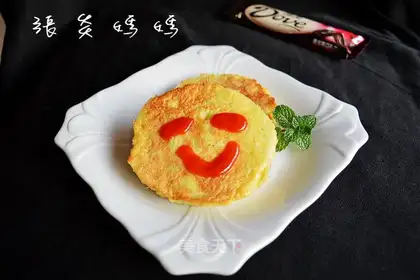 Shrimp rice loaf"
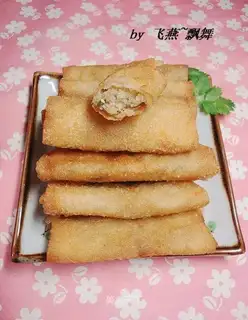 Soybean rolls"
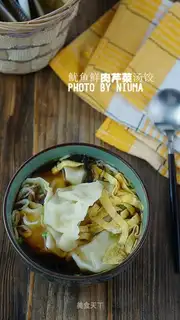 Squid soup"
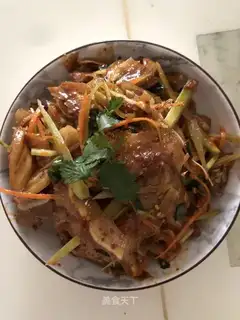 Spicy oars"
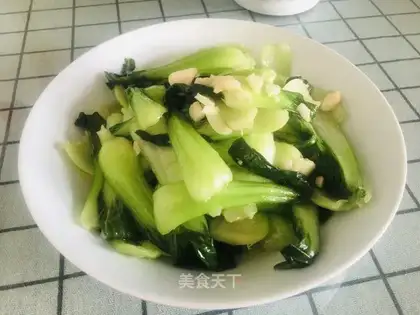 Garlic on the sea green"
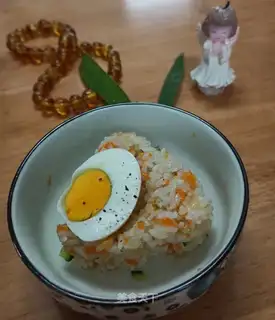 Carrot fried eggs"
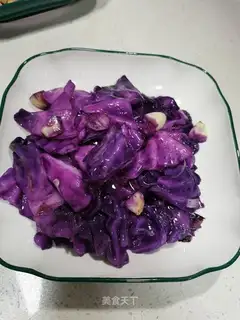 Garlic"
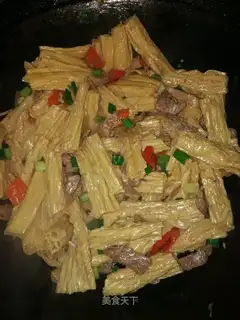 Fried mackerel"
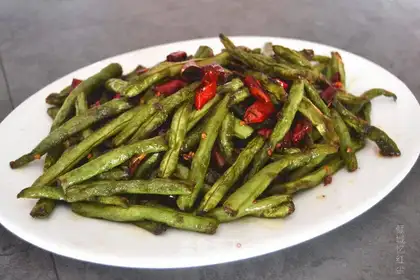 ♪ Dry beans ♪"
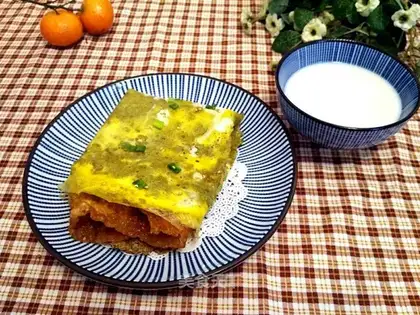 Pancake fruit"
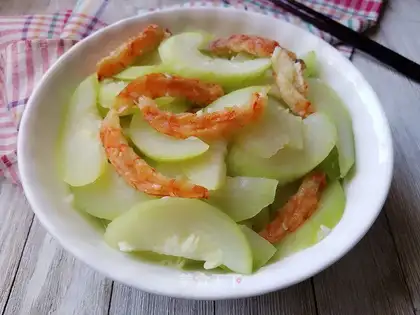 Shrimp dry-cooked smelt"
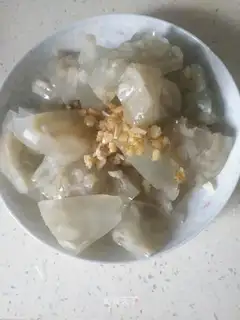 Frozen"
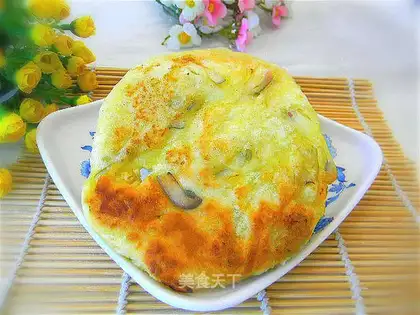 Onion pretzels"
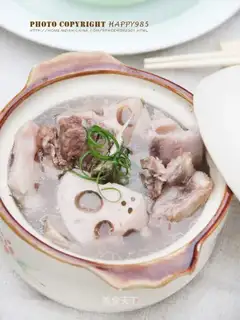 Liang's ribs"
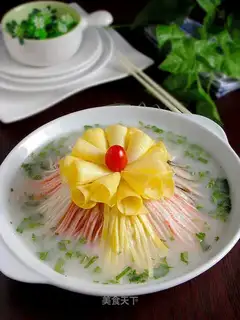 Luoyang water mat peony swallow"
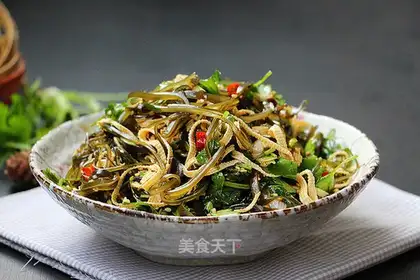 Seaweed silk and bean skin"
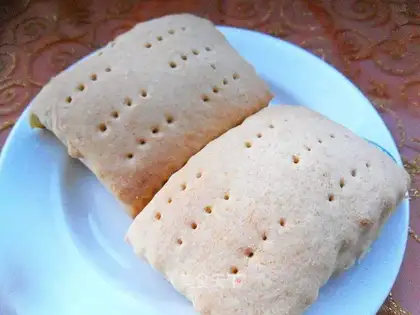 Bean scum"
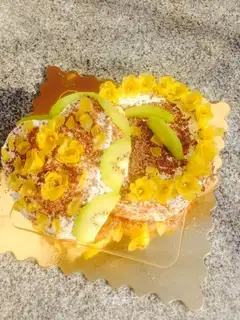 Blonde chocolate chip cake"
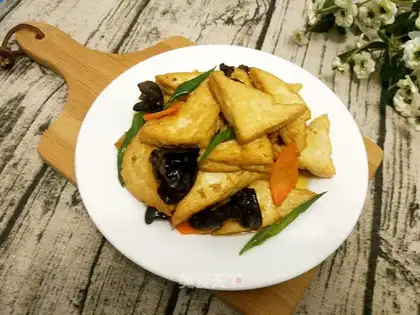 Homemade tofu"
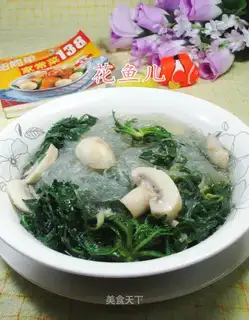 A fan of mushroom cuisine"
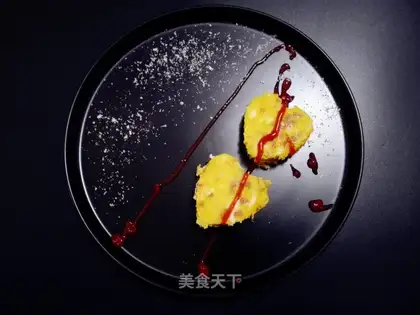 First snow loaf"
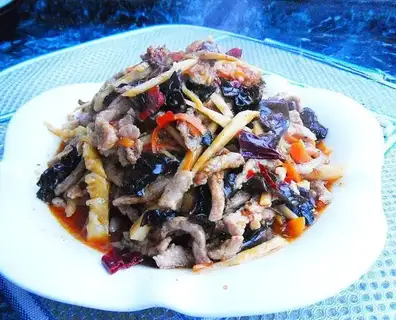 Fish fragrance"
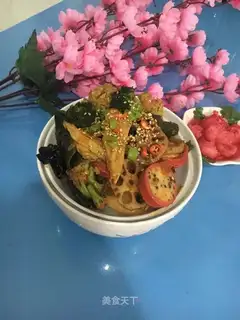 Spicy pot"
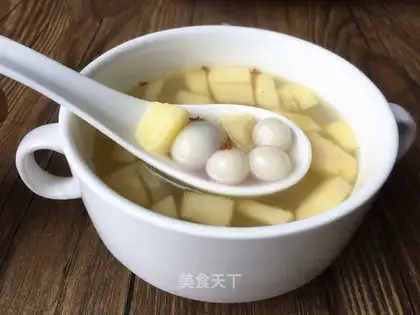 Cinnamon apple round"
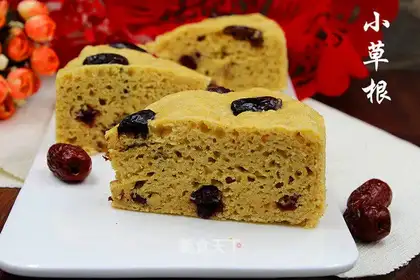 Red-sugar date"
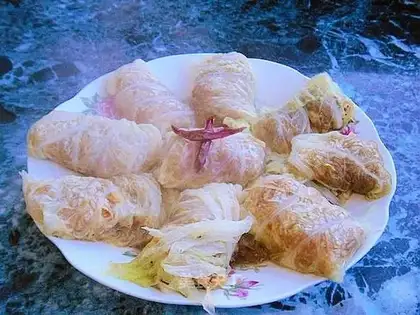 Shrimp rolls"
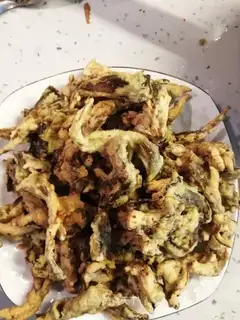 The magic of mushrooms"
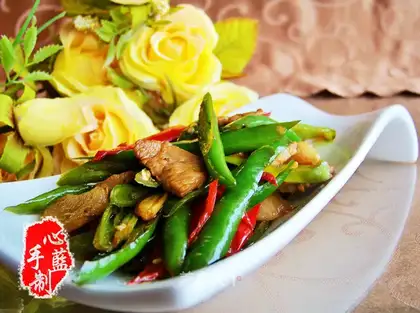 Authentic Hunan stir-fried pork"
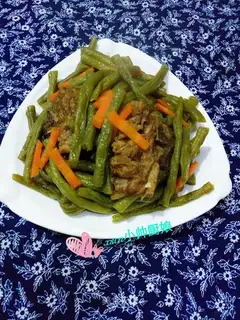 ♪ Steaked bean bean ♪"