Salted eggs, a beloved delicacy in Asian cuisine, are prized for their salty, umami-rich flavor and vibrant orange yolk. Here’s a simple guide to making them at home.
Method 1: Dry Curing (Traditional)
Start with fresh duck eggs (chicken eggs work too). Gently wipe each egg clean and let them air-dry completely. Prepare a curing mixture of 1 kg coarse salt, 100g cooked rice flour (acts as a drying agent), and 50g Chinese cooking wine. Mix thoroughly. Coat each egg evenly with the mixture, then wrap tightly in parchment paper. Store in a cool, dark place for 25–30 days. For a firmer texture, some add 50g ash from burnt straw.
Method 2: Brine Curing (Quick & Easy)
Submerge fresh eggs in a brine solution of 1 part salt to 9 parts water (by weight). Add a handful of Sichuan peppercorns or star anise for extra flavor. Seal the container and let it sit for 2–3 weeks. This method yields saltier eggs with a softer texture.
Method 3: Clay Curing (Authentic Flavor)
Mix clay soil with water until it reaches a thick, paste-like consistency. Add salt (equal parts to soil) and stir. Coat each egg in the clay mixture, wrap in newspaper, and store in a cool place for 3–4 weeks. The clay locks in moisture, intensifying the yolk’s richness.
Testing for Readiness
To check if an egg is ready, boil one for 10 minutes. A perfectly cured salted egg will have a bright orange, firm yolk and a salty white.
Once cured, enjoy salted eggs in congee, steamed dishes, or baked into pastries. Their unique flavor adds depth to both savory and sweet recipes!
 Spiced salted egg"
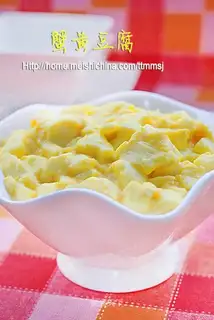 crab tofu"
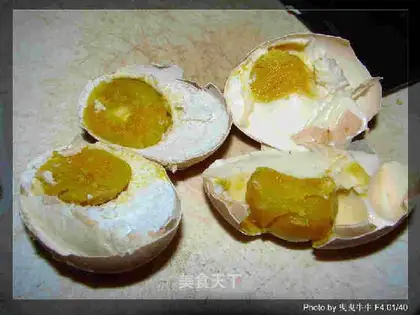 Homemade salted eggs"
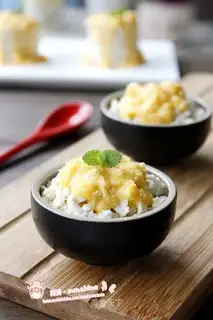 Salted eggs and tofu"
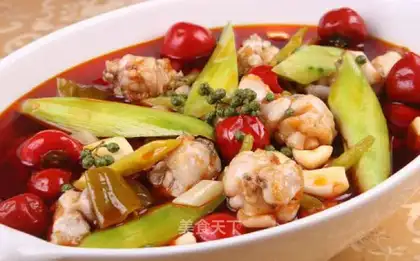 Famous muffy frog"
 Homemade sandwiches"
 Scrambled duck eggs"
 Cook beef with tofu"
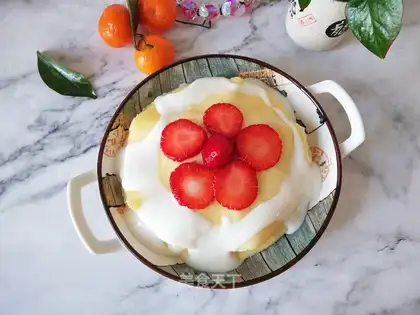 Little mango yogurt"
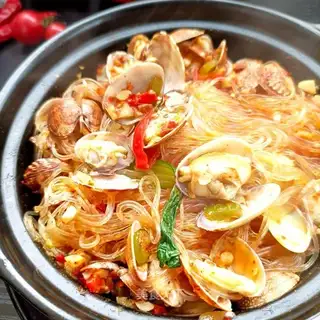 Flour"
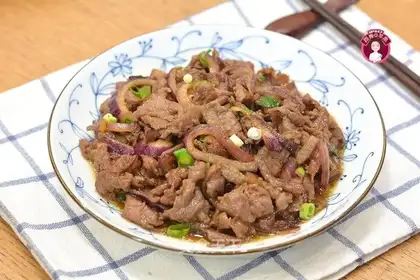 Onion beef"
 Oglympus"
 Gold corn brand"
 Cucumber tomato noodles"
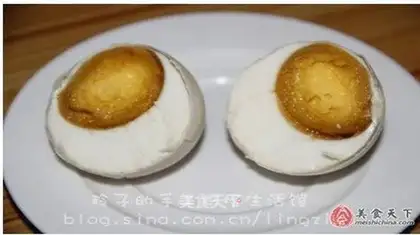 Homemade salted eggs"
 A flat pan fork"
 Salted egg meatloaf"
 Congee with ham and salted egg"
 Onion wood with Dutch beans"
 Orléans roast chicken wings"
 Fish tofu soup"
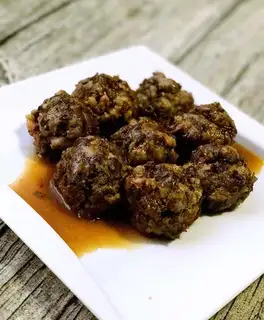 Plumball"
 Cracked chicken"
 High-fry potato mashed sushi"
 Garlic chicken and rice"
 Piggy tongue"
 Coconut latte"
 Salted egg meatloaf"
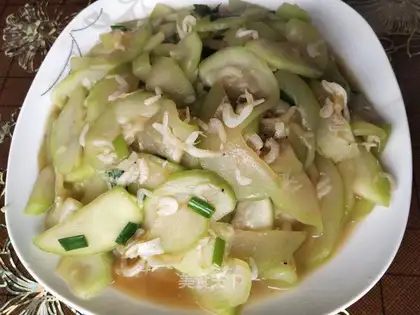 Shrimp fried walnuts"
 The fragrance wings"
 Tomato fried eggs"
 Red bean roll"
 Porridge"
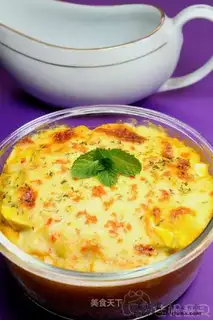 Baked rice with salted egg and pumpkin sauce"
 Suvere"
 Fry mushrooms"
 Blueberry Marion on the Golden Peak"
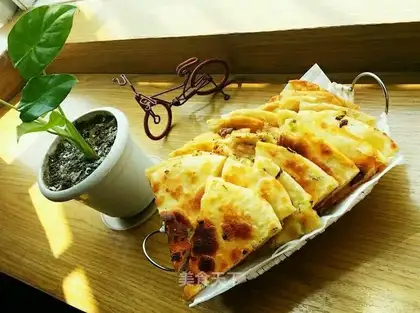 Onion cake"
 Bean sesame pancakes"
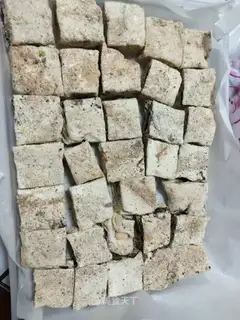 Handmade snow souffles"