Korean bibimbap, a vibrant and nutritious mixed rice dish, is beloved for its colorful ingredients and bold flavors. Here’s a step-by-step guide to crafting an authentic bowl.
First, prepare the toppings: Blanch bean sprouts, spinach, and fernbrake (dasima) separately, then season with soy sauce, sesame oil, and minced garlic. Julienne carrots and zucchini, sauté them lightly, and slice marinated beef (bulgogi) or pan-fry tofu for a vegetarian option. A fried egg, with a runny yolk, adds richness.
Next, cook short-grain rice until sticky. Assemble the dish by arranging each topping neatly over the rice in sections, creating a visually appealing rainbow effect. For the signature sauce, mix gochujang (Korean chili paste), soy sauce, sugar, sesame oil, and a dash of vinegar. Drizzle it over the toppings.
To serve, let diners mix everything together thoroughly, ensuring the egg yolk blends with the sauce and rice, coating each ingredient. For extra crunch, add sesame seeds or roasted seaweed. Bibimbap is versatile—use seasonal vegetables or leftovers to customize it. Enjoy this hearty, flavorful dish that’s as fun to make as it is to eat!
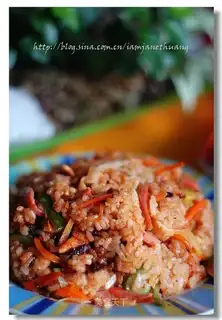 Korean-style bibimbap"
 Cream of milk"
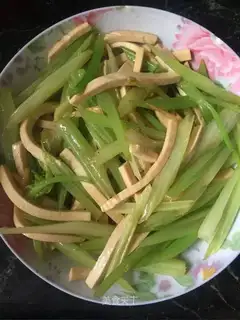 Cream fried beans"
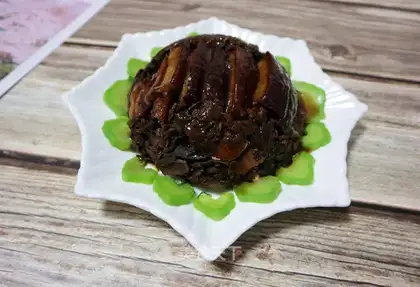 Plum chow"
 Slut eggs"
 Lemonberry Spice"
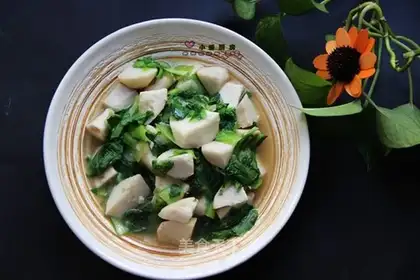 Tacos"
 Powder"
 Tomato redtail. Wine"
 Black sesame toast"
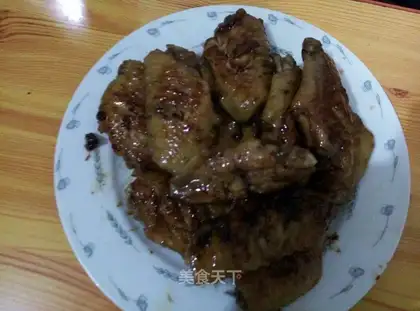 Coke chicken wings"
 Sesame egg rolls"
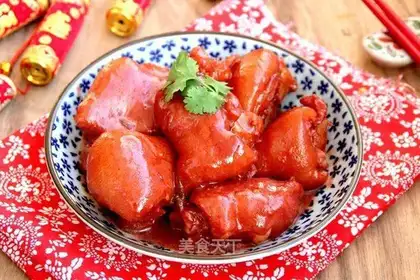 Cream-crazy pig hoof"
 French fries"
 Tuna rice"
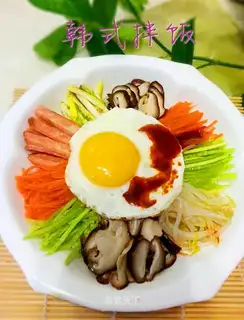 Korean rice"
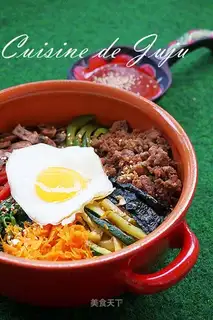 Korean rice"
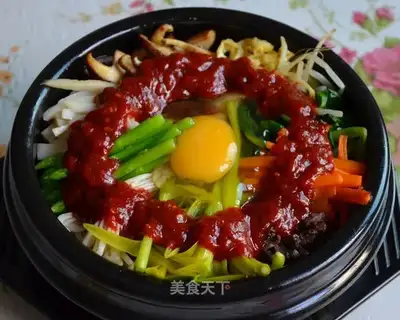 Rock pan rice"
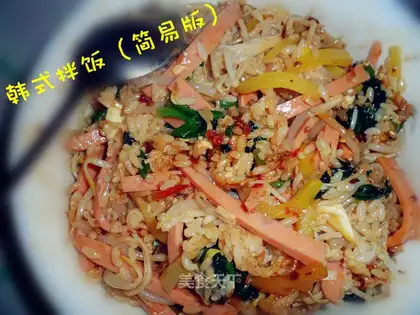 Korean rice"
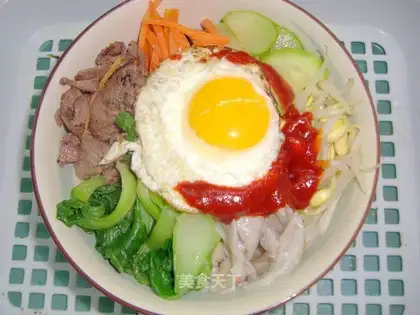 Korean-style bibimbap"
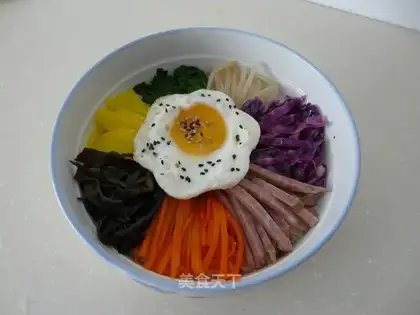 Korean-style bibimbap"
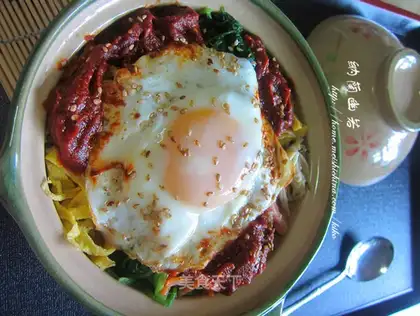 Korean-style bibimbap"
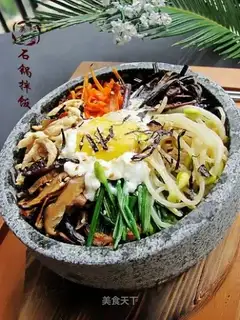 Korean-style bibimbap"
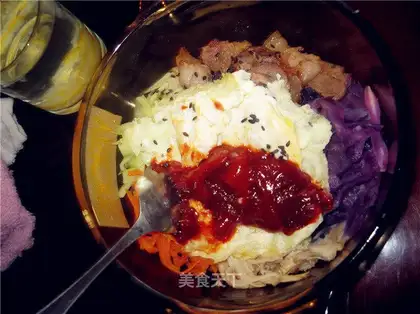 Korean-style rice bibimbap with pork belly"
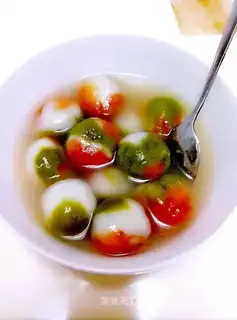 Colour soup round"
 cucumber flowers"
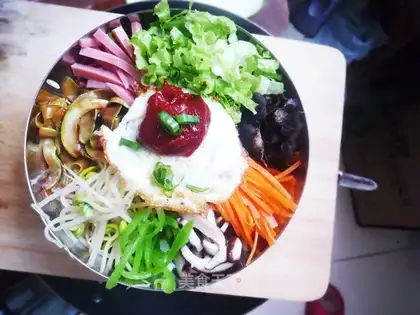 Korean rice"
 Pear juice"
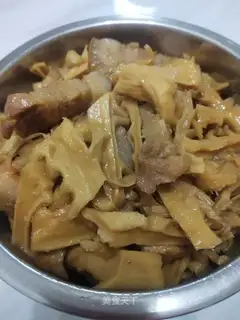 Dry red meat"
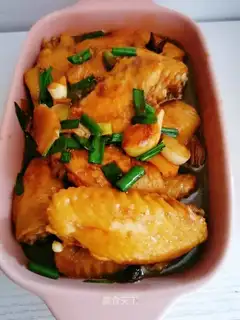 Five golden chicken wings"
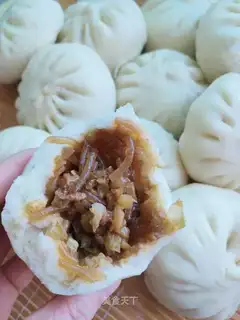 Powder pork buns"
 It smells bad"
 Shrimp congee"
 Sourbeans"
 Peach sesame rice rolls"
 The original chicken"
 Black sesame pumpkin"
 Potato with soybeans"
 Scrawny mackerel"