Korean kimchi, a iconic fermented dish, blends spicy, tangy, and umami flavors. Here’s a step-by-step guide to crafting this staple.
First, prepare the cabbage: 1 head of Napa cabbage, cut into bite-sized pieces, is soaked in a saltwater solution (1/4 cup salt per 4 cups water) for 2–4 hours until softened. Rinse and drain thoroughly.
Next, make the paste. Mix 1 cup gochugaru (Korean chili flakes), 2 tablespoons minced garlic, 1 tablespoon grated ginger, 1 tablespoon sugar, 2 tablespoons fish sauce, and 2 tablespoons soy sauce. For fermentation, add 1 tablespoon rice flour paste (boiled 1 tablespoon rice flour in 1/2 cup water until thick, then cooled).
Combine the cabbage and paste, ensuring every leaf is coated. Add optional ingredients like radish strips, green onions, or carrots for extra crunch.
Pack the mixture into a clean jar, pressing down to remove air bubbles. Leave at room temperature for 1–3 days until bubbles form, then refrigerate. It’s ready to eat in a week and improves with flavor over weeks.
Enjoy as a side dish, in stews, or with rice—kimchi’s versatility makes it a beloved global favorite.
 Korean Kimchi Fried Rice"
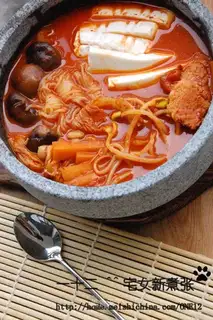 Korean pickle pot"
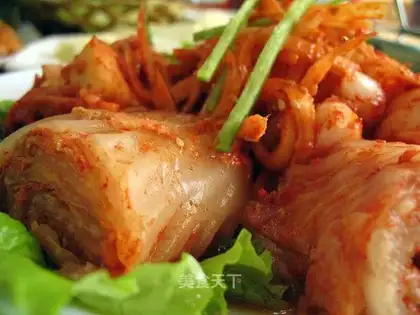 Korean kimchi"
 Fried rice cake with kimchi ramen"
 Korean Kimchi Fried Rice"
 I'll cook the wings"
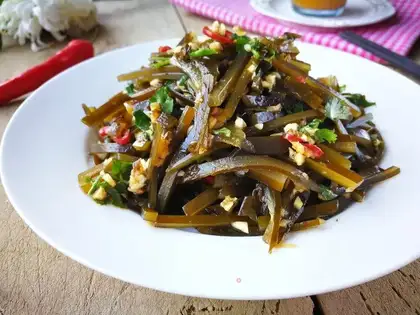 The cold seaweed roots"
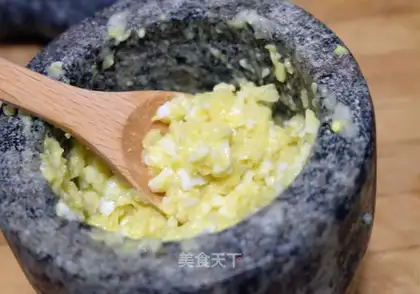 Garlic eggs"
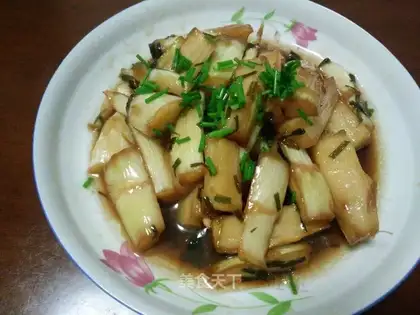 Onion white"
 Shavima, Turkey"
 Eggs and skin"
 Beer chicken wings"
 Beef onions"
 Potato toast"
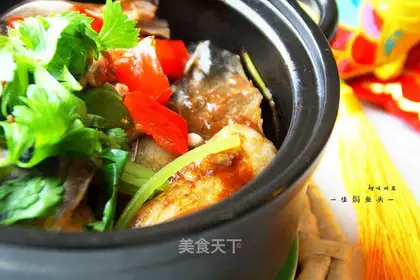 Fishheads"
 Meatloaf fan buns"
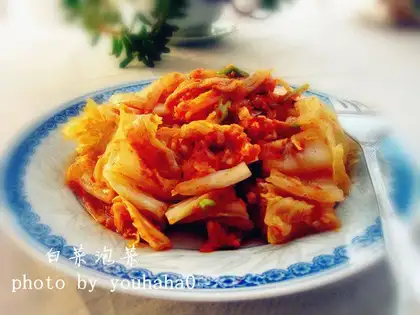 Korean cabbage"
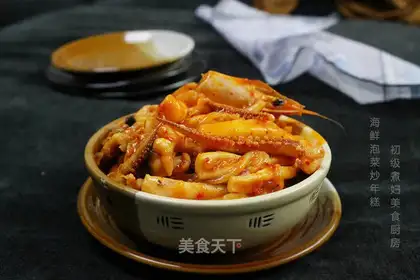 Korean seafood pickles"
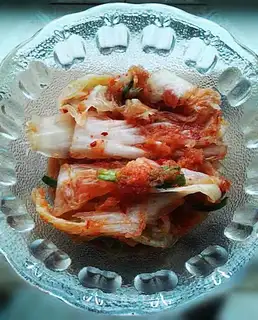 Korean pickles"
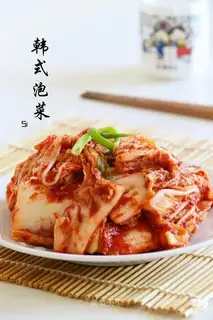 Korean pickles"
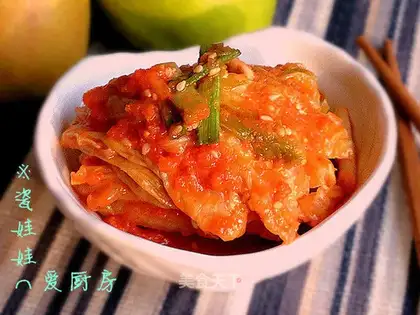 Korean pickles"
 Korean pickle tofu pot"
 Korean pickles, fat cow pot"
 Pan-fried tofu"
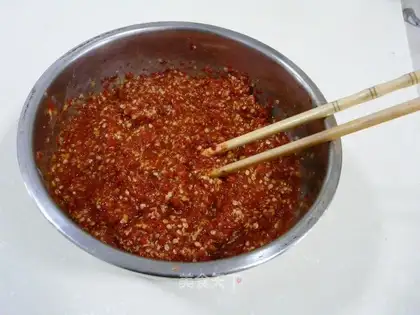 Korean kimchi and spicy sauce"
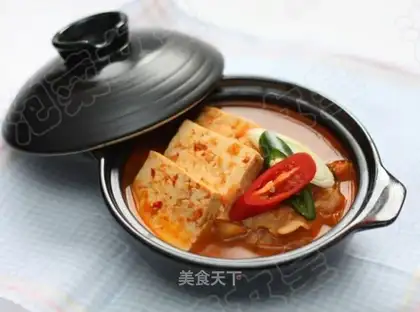 Korean pickle and tofu soup"
 Korean cucumber kimchi"
 Korean Kimchi Pancakes"
 Steamed egg with Korean kimchi"
 Korean kimchi"
 Korean pickle and clam soup"
 Soybeans"
 Waffles"
 Fish glue, big bone weed soup"
 A rice-cracker"
 Pumpkin shrimp prawn bag"
 Pickles"
 Ham sausage and vegetables"
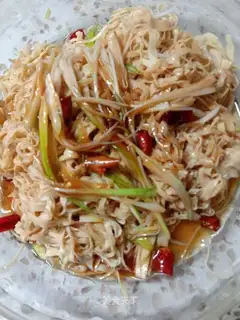 Onion dry tofu"
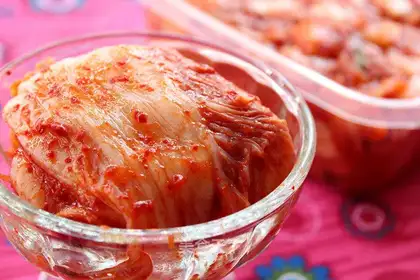 Korean pickles"