New Year’s Eve dinner, or "Nian Ye Fan," is the heart of Chinese Spring Festival celebrations, symbolizing reunion, gratitude, and hope for the coming year. Beyond its delicious flavors, every dish carries auspicious meanings, with "inviting wealth and treasure" (招财进宝) as a central theme.
The feast often features ingredients that sound like or represent prosperity. Fish (鱼, yú) is a must, as its homophone "余" (yú) means "surplus," signifying abundance. Dumplings (饺子, jiǎozi) resemble ancient gold ingots, with some families placing coins in them for luck. Glutinous rice cakes (年糕, niángāo) sound like "年高" (nián gāo), wishing for higher status or wealth in the new year.
Dishes like braised pork balls (肉圆, ròu yuán) symbolize unity and fullness, while stir-fried black moss (发菜, fācài) sounds like "发财" (fācái), meaning "to get rich." Sweet rice balls (汤圆, tāngyuán) in dessert represent family togetherness and a "sweet" future.
More than just a meal, this feast is a ritual to honor ancestors and bless the family. As loved ones gather around the table, sharing laughter and food, the true "wealth" lies in the warmth of togetherness—a fortune that no material possession can match. Here’s to a year filled with prosperity, joy, and endless blessings!
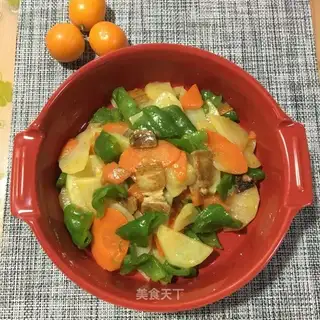 Five flowers with pepper potato chips"
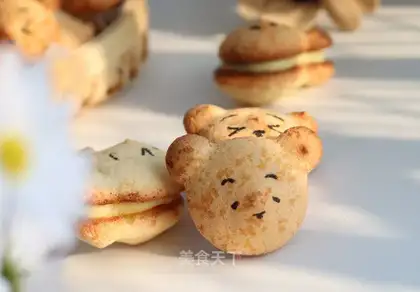 Cute little bear cake"
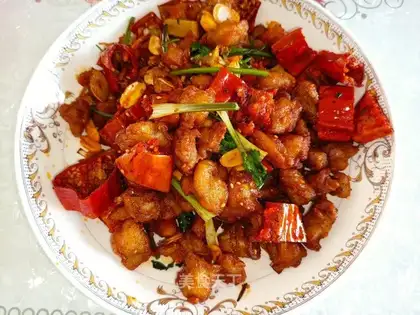 The red legs"
 Eggstick"
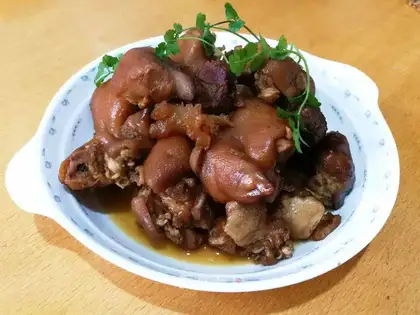 Red burning of pigs' feet"
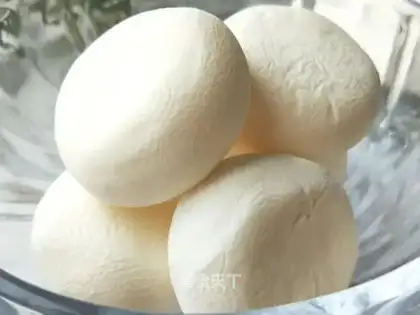 Homemade marshmallows"
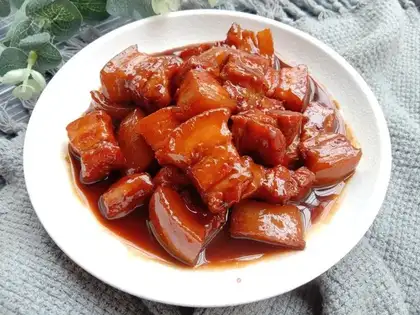 Beer and red meat"
 Meat peas"
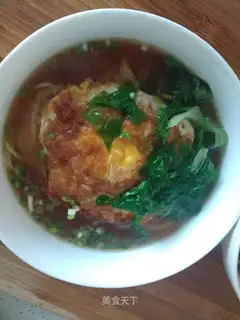 Simple face"
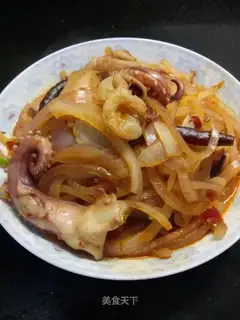 Squirt"
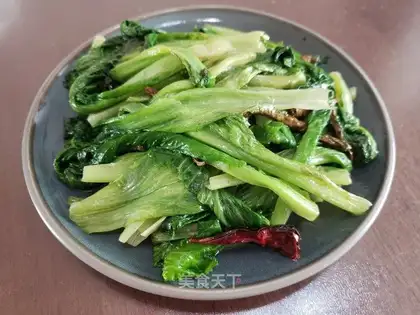 Scrambling"
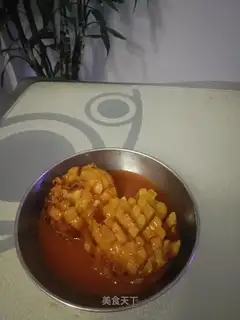 Red daisies, sweet potatoes"
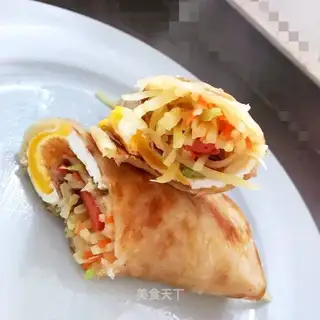 Potato tacos"
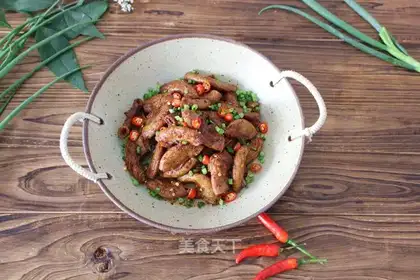 Roasted sausage"
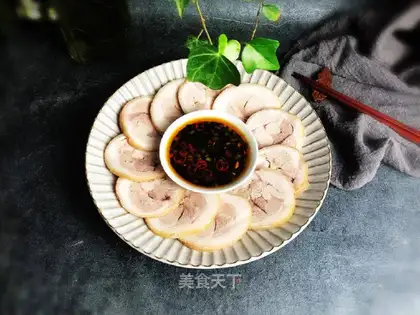 Fowler"
 Pumpkin juice"
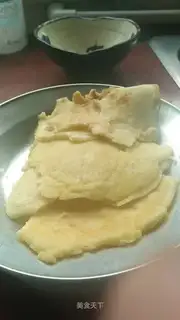 Eggcake"
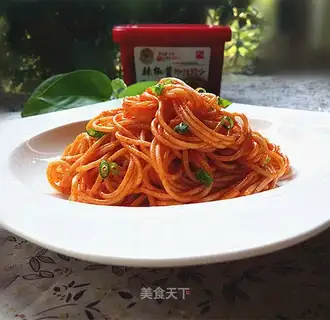 Korean chili noodles"
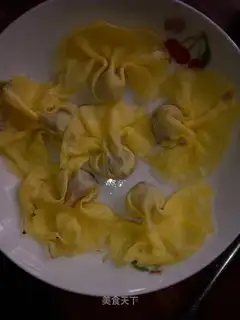 Eggskin dumplings"
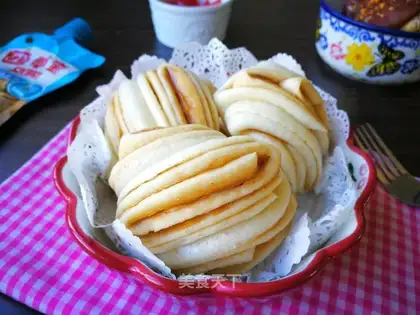 Peanut butter rolls"
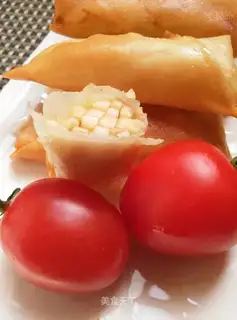 Apple Spring Roll"
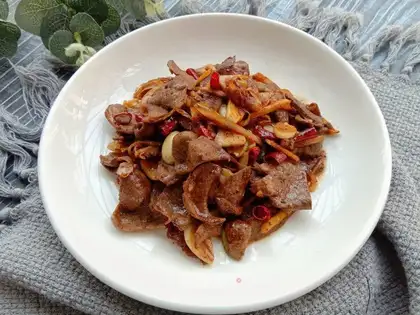 Ginger onions"
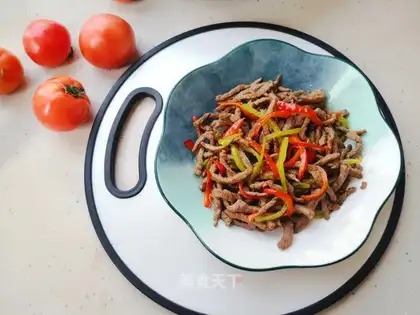 Beef chili"
 Juice"
 The yogurt plant"
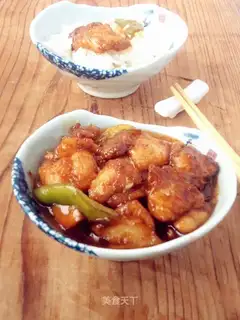 Fish chips"
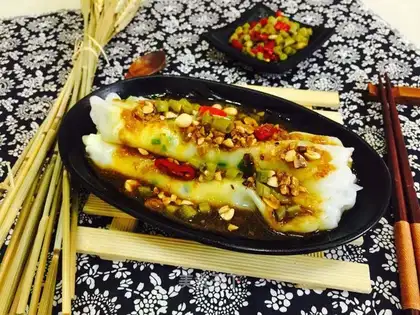 Sausage powder"
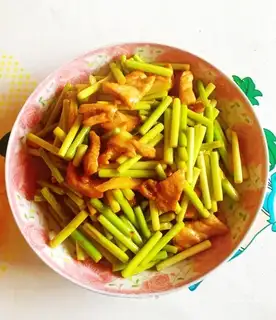 Garlic pork"
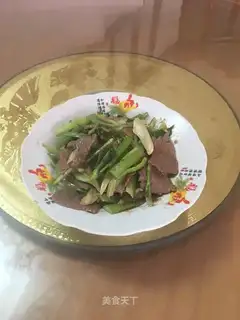 Cream beef"
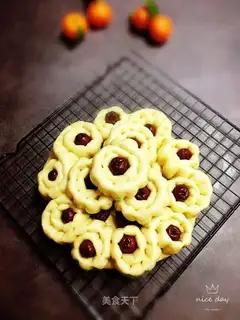 Red-tree bouquet"
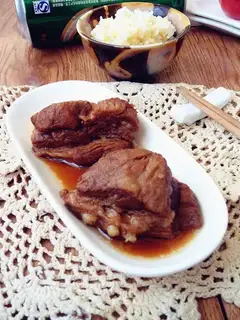 Beer stew"
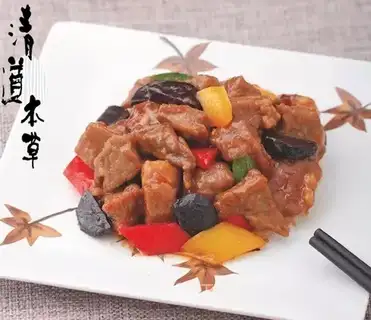 Black garlic beef"