When battling a cough with stubborn phlegm, simple dietary remedies can offer gentle relief alongside medical treatment. These natural solutions help reduce inflammation, thin mucus, and ease respiratory discomfort, supporting the body’s healing process.
Start with warm, soothing liquids. Ginger tea, made by steeping fresh ginger slices in hot water with a teaspoon of honey, calms irritated throat passages and acts as a natural expectorant. Honey’s antibacterial properties combined with ginger’s anti-inflammatory effects can loosen phlegm, making it easier to expel. Similarly, turmeric milk—warm milk mixed with a teaspoon of turmeric powder—reduces chest congestion and boosts immunity, thanks to curcumin, turmeric’s active compound.
Incorporate steam-infused foods like herbal soups. A clear broth with garlic, onions, and thyme helps thin mucus while providing hydration. Garlic’s allicin and thyme’s thymol have antimicrobial qualities, fighting off infections that worsen coughs. For a sweet yet effective option, steam pears with rock sugar: the warm, juicy fruit hydrates the throat, while sugar coats irritation, easing cough spells.
Avoid cold, greasy, or dairy-heavy foods, which can thicken phlegm. Instead, opt for warm, cooked meals and stay hydrated with water or herbal teas. While these remedies complement recovery, persistent symptoms warrant medical advice. With patience and the right diet, you can ease discomfort and breathe easier naturally.
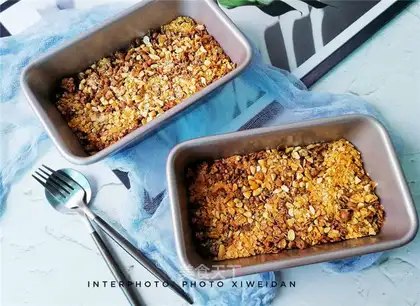 Roasted oat apple energy"
 The halogenated quail egg"
 Coke ribs"
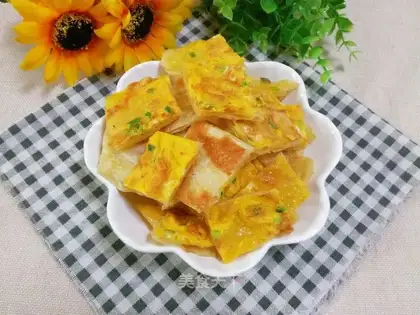 Onion omelet"
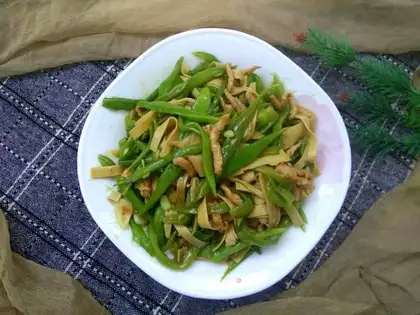 I've got a lot of lentils"
 Pineapple banana pie"
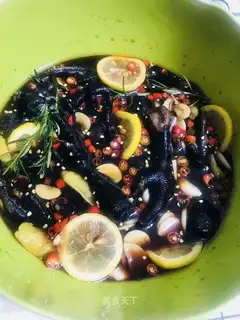 It's a secret poach"
 Shrimp"
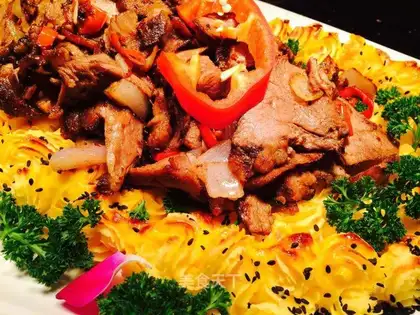 Potato orange juice"
 Mickey"
 The radish tofu soup"
 Red deer"
 Sodium"
 Orange Maphine"
 Red chicken neck"
 Sour tofu fans"
 Onion waffles"
 Weenie and cabbage"
 Onion fried eggs"
 Garlic meat"
 Crab sticks, celery"
 Spicy beer and eggs"
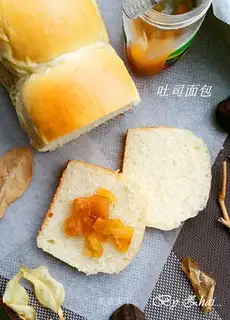 Toast bread"
 Colour soup round"
 Spud"
Spud"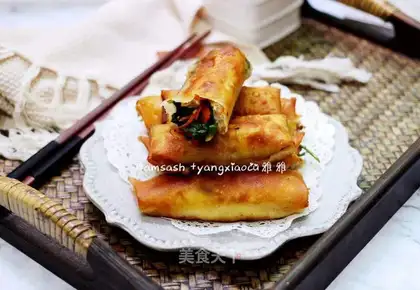 Three Spring Rolls"
 Porridge of mushrooms"
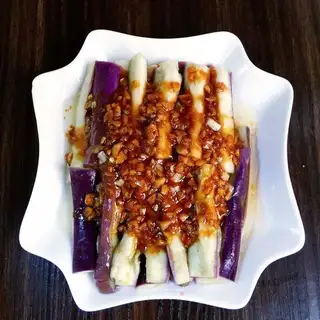 Smoky eggplant"
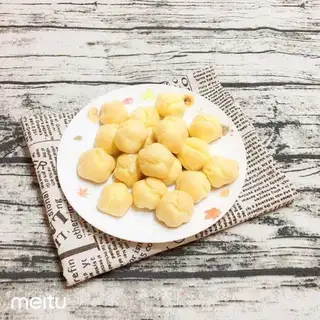 Butter puffs"
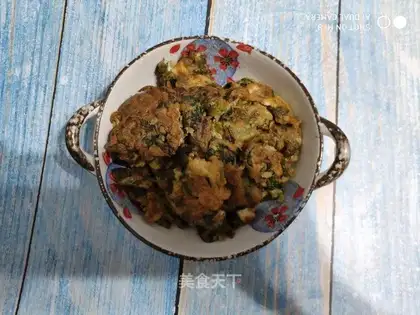 Wild fragrance fried eggs"
 The monkeys and mushrooms"
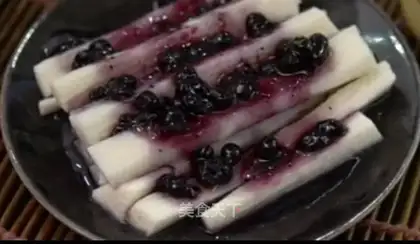 Blueberry Mountain"
 Pumpkin eggcake"
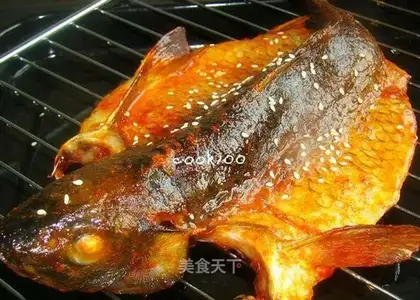 New Orleans"
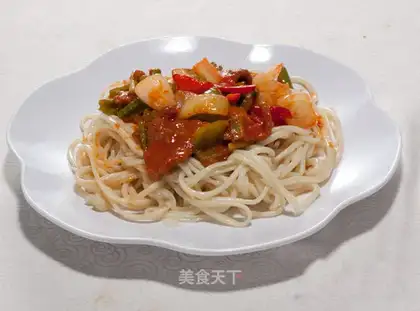 Red fruit tomato noodles"
 Jealousy fish"
 Doudou ribs"
 Neighborhood"
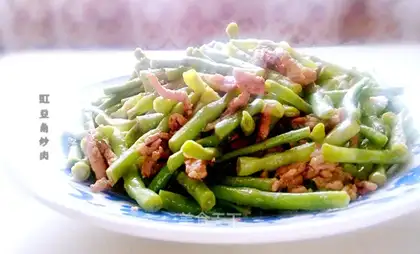 Soybeans"
 The orchid clouds hold eggs"