High blood sugar, a hallmark of diabetes and prediabetes, demands proactive management, and diet plays a pivotal role. By making mindful food choices, individuals can stabilize glucose levels, improve insulin sensitivity, and reduce long-term health risks.
First, prioritize low-glycemic index (GI) foods, which digest slowly, preventing rapid spikes in blood sugar. Whole grains like oats, quinoa, and brown rice are superior to refined grains such as white bread or pasta. Incorporate plenty of non-starchy vegetables—spinach, broccoli, and bell peppers—which are fiber-rich, low in calories, and packed with essential nutrients. Fiber slows carbohydrate absorption, aiding blood sugar control.
Lean proteins, such as fish, poultry, tofu, and beans, should be staples, as they have minimal impact on blood sugar and promote satiety. Healthy fats from avocados, nuts, and olive oil also support metabolic health. Equally critical is limiting added sugars, sugary beverages, and processed foods, which cause sharp glucose surges. Instead, opt for natural sweetness from berries or small portions of fruit.
Portion control and regular meal timing further enhance stability. Pairing carbohydrates with protein or fat at each meal can blunt blood sugar responses. Consulting a dietitian to personalize a meal plan ensures nutritional balance while addressing individual needs. In essence, a strategic diet is not just a tool but a foundation for managing high blood sugar and fostering overall well-being.
 Soybeans"
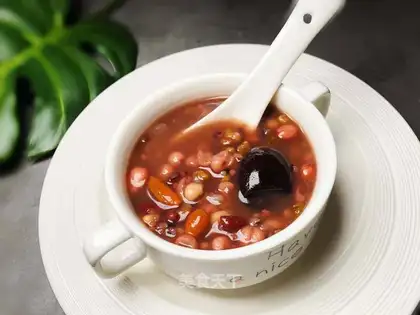 Porridge"
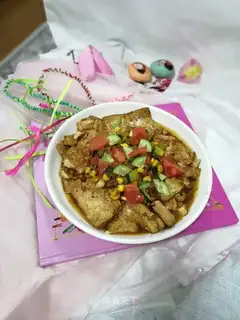 Homemade corn tofu"
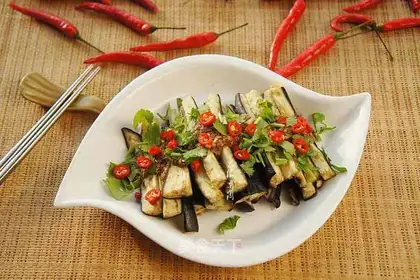 Garlic mackerel"
 Snow souffle"
 Garlic fried meat"
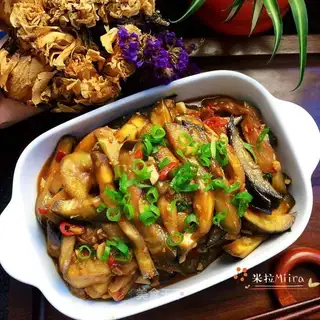 Soup and eggplant"
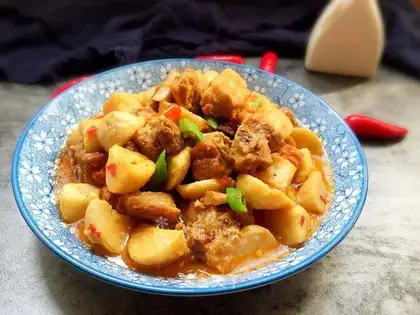 Sour chili roast ribs"
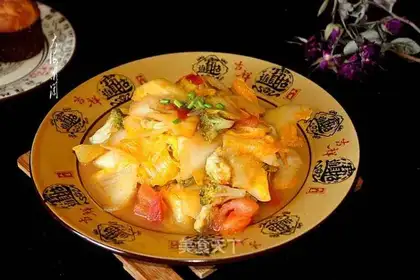 Tomato's fried cabbage"
 Potato cookies"
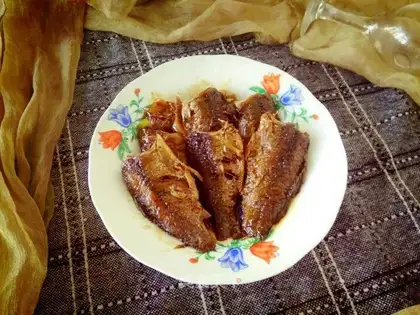 Jell-O"
 Crystal potato soup"
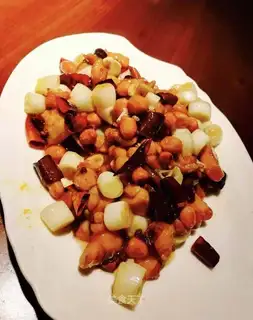 Miyagi chicken"
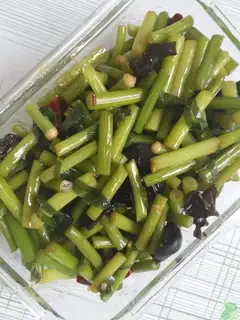 Garlic fried wood"
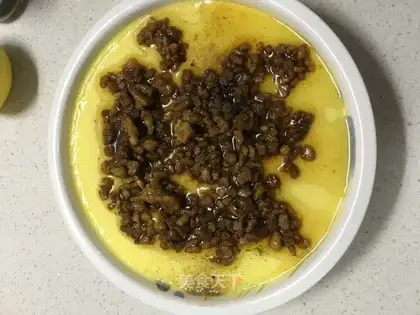 Meat and eggs"
 The durian floor"
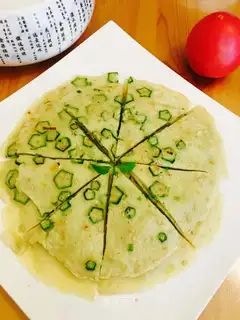 Eggcake"
 Spaghetti"
 Eggs and bead soup"
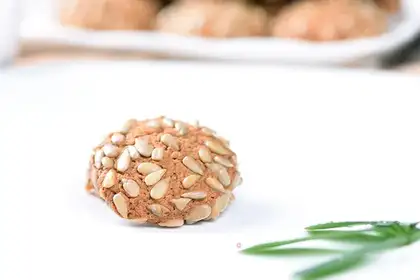 Coffee melon"
 Chi Fung Cake"
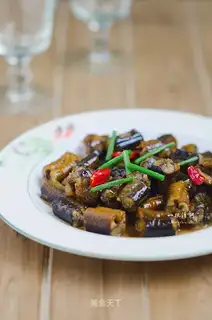 It's a fire"
 Salted egg and yellow ham rolls"
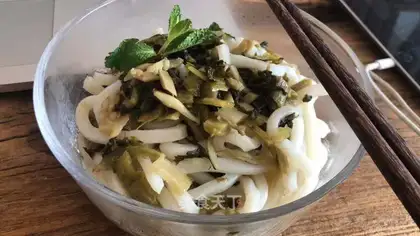 ♪"
♪"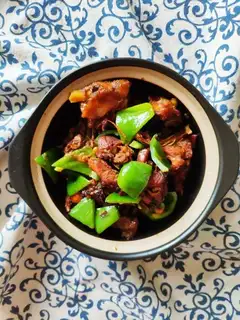 A red roasted chicken"
 Chicken leg mushroom congee"
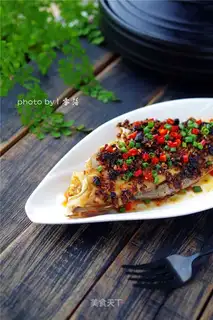 It's fragrance"
 The radish"
 It's a hot winter chicken"
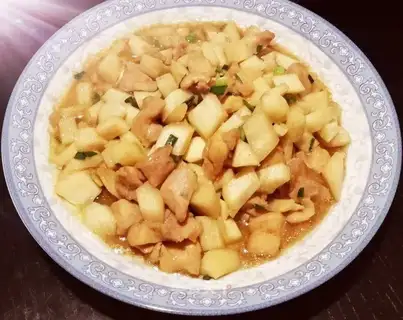 White chicken"
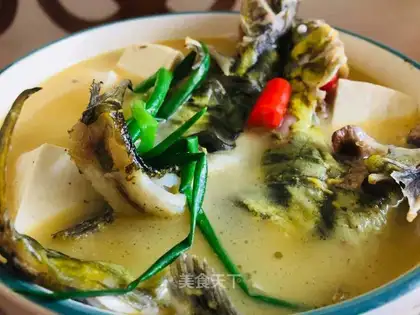 Ducks are tofu"
 Apple-tree oatmeal"
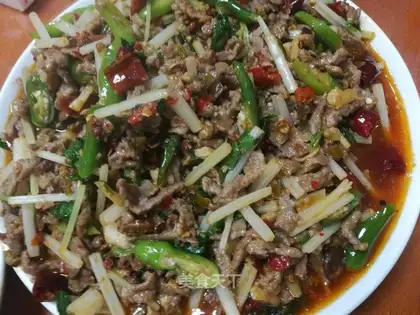 Spicy celery"
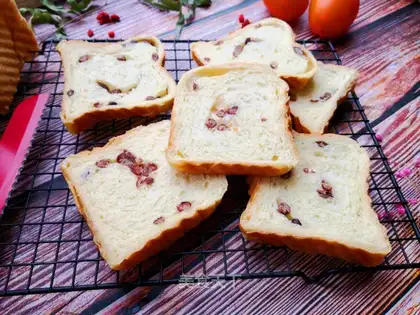 Bean toast"
 Homemade sesame sauce"
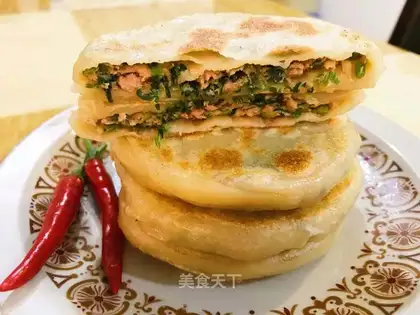 Celery pork pie"
 Hokkaido toast"
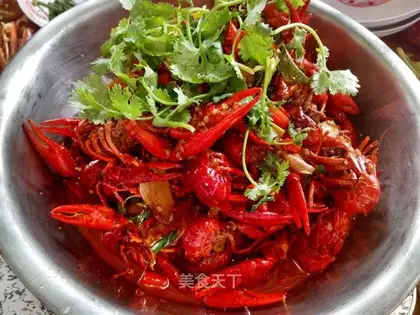 Shrimp"
 Clear the screen"
 Yogurt"