Osteoporosis, a condition characterized by weakened bones and increased fracture risk, poses a significant threat to elderly health. As people age, bone density naturally declines due to reduced calcium absorption and slower bone regeneration, making calcium supplementation crucial for prevention.
Calcium is the primary mineral composing bones, and adequate intake helps maintain bone strength and structure. For adults over 50, daily calcium requirements increase to 1,200 mg, according to health guidelines. Dairy products like milk, yogurt, and cheese are rich in calcium, while leafy greens (e.g., kale), fortified foods, and supplements (e.g., calcium citrate) are excellent alternatives, especially for those with lactose intolerance.
However, calcium alone is insufficient. Vitamin D plays a vital role in enhancing calcium absorption in the intestines. Seniors should ensure sufficient vitamin D through sunlight exposure, fatty fish, or supplements. Regular weight-bearing exercises, such as walking or tai chi, also stimulate bone formation and improve balance, reducing fall risks.
Early intervention is key. Consulting healthcare professionals for personalized plans—considering factors like existing conditions, medications, and dietary habits—can optimize safety and efficacy. By prioritizing calcium, vitamin D, and exercise, the elderly can effectively slow bone loss, maintain mobility, and enjoy a higher quality of life in their later years.
 The tofu is burning on the wings"
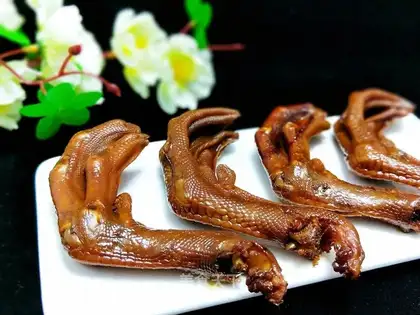 The halama"
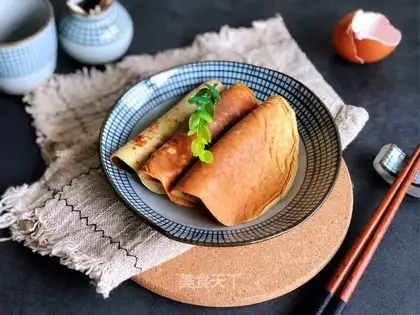 Banana omelet"
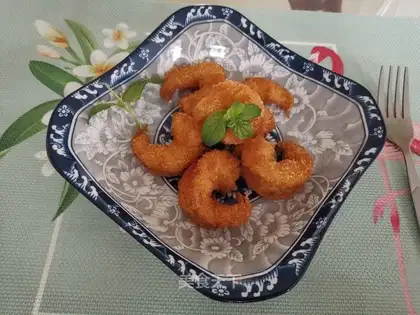 Gold shrimp"
 Lemon melon"
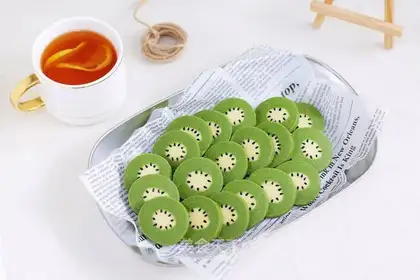 Monkey-shaped cookies"
 Microwave salt chicken leg"
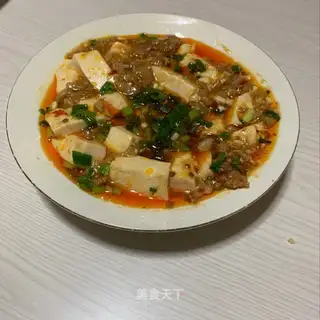 Tofu"
Tofu"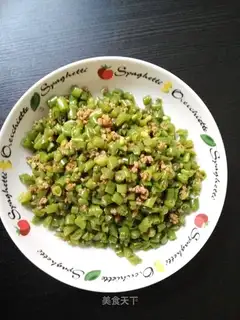 The bean horn"
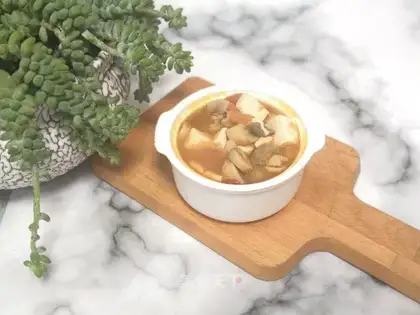 White mushroom tofu soup"
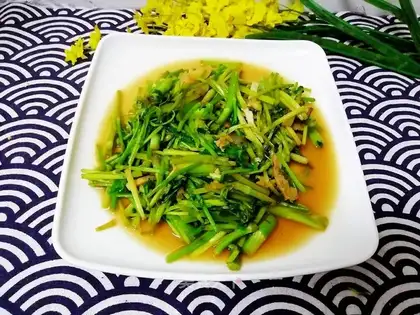 Spam and celery"
 Colonel Pepper chicken"
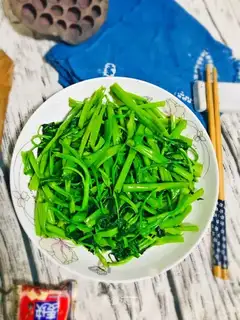 It's an open cabbage"
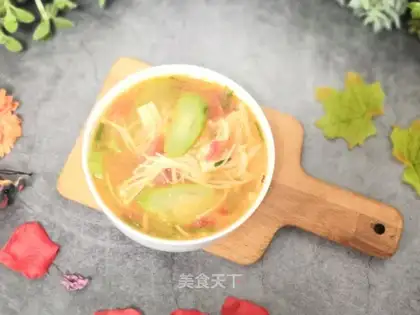 Smelt of gill and mushroom soup"
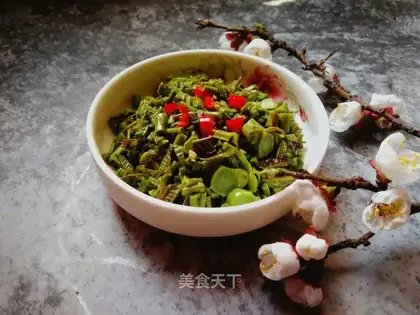 Smash the bud"
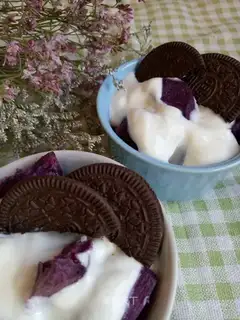 Olio sour milk cup"
 The lamb onions"
 Beef fishball pan"
 Egg dumplings"
 Steaming twilight cake"
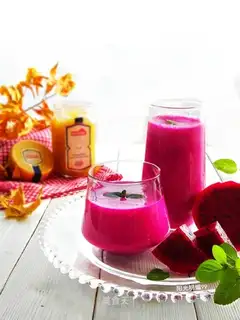 A honey shake of flamingo fruit"
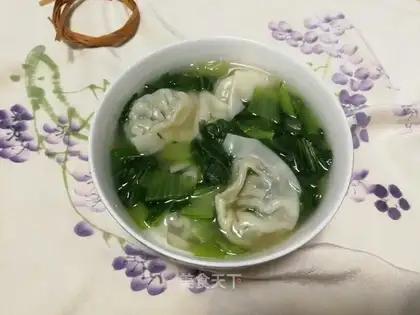 Pork radish pasta"
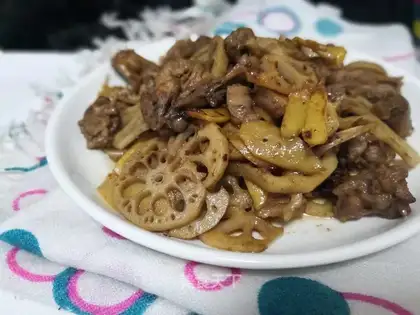 The ducks"
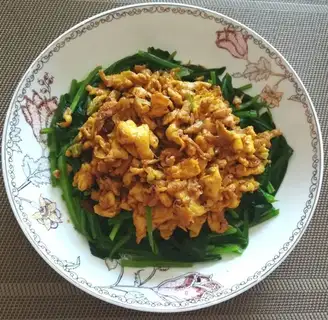 Eggsa spinach"
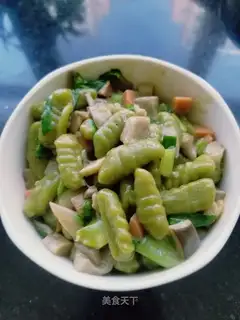 Mushrooms and soy food"
 Cool powder"
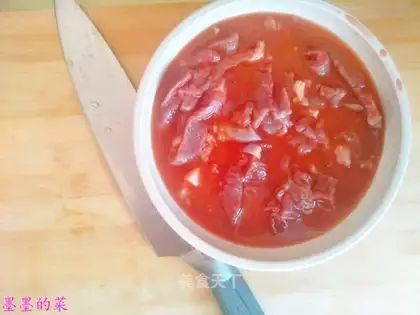 Pelican beef"
 Hot noodles"
 Porridge"
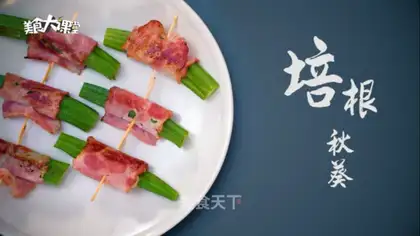 Bacon Autumn Roll"
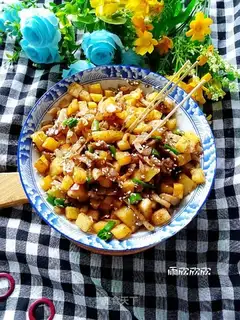 Potatoes"
 Coconut guacamole"
 Low sugar, no oily hairloaf"
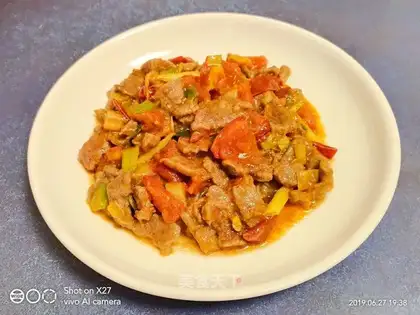 Onion-cracker beef"
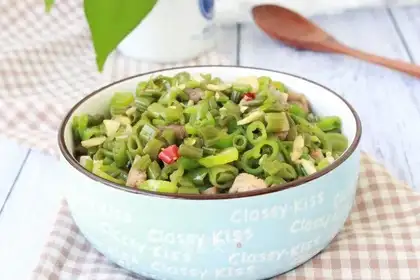 Chili sauce"
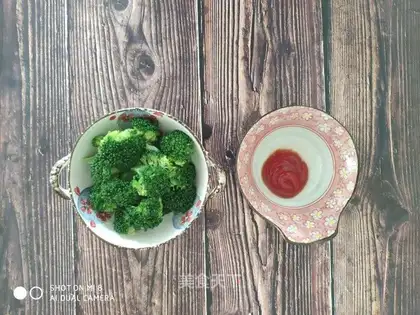 The bouquet orchids"
 Chili fried eggs"
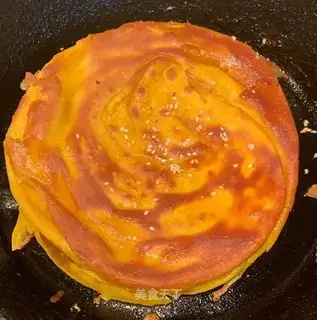 Goldcake"
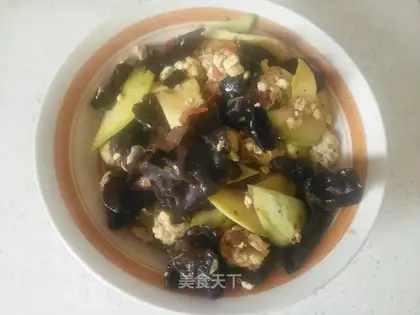 It's a lot of fun"
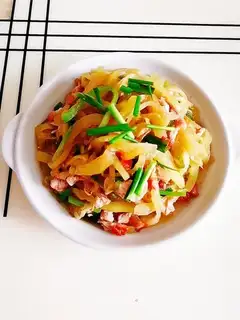 Pumpkin"