While plant-based diets offer numerous health benefits, long-term vegetarians should pay special attention to iron intake. Unlike heme iron from animal sources, non-heme iron from plants is less efficiently absorbed by the body, putting vegetarians at risk of deficiency over time.
Iron is vital for oxygen transport, energy production, and immune function. Symptoms of deficiency include fatigue, weakness, and pale skin, often overlooked until they become severe. To bridge this gap, vegetarians can adopt strategic dietary adjustments. Pairing iron-rich plant foods—such as lentils, spinach, tofu, and quinoa—with vitamin C sources (e.g., citrus fruits, bell peppers, or tomatoes) enhances absorption by up to 50%. For example, a spinach salad with lemon dressing or lentil soup with tomatoes maximizes iron uptake.
Additionally, cooking in cast iron pans and avoiding excessive tea or coffee with meals can further support iron levels. For those struggling to meet needs through diet alone, a doctor may recommend iron supplements. By being mindful of iron consumption and absorption, long-term vegetarians can thrive on their plant-based paths while maintaining optimal health.
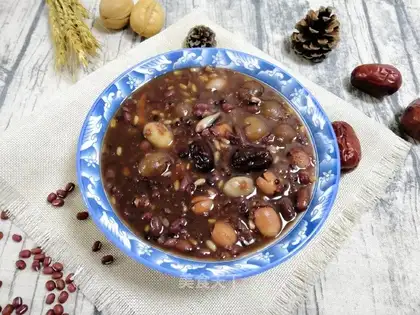 Nutritional porridge"
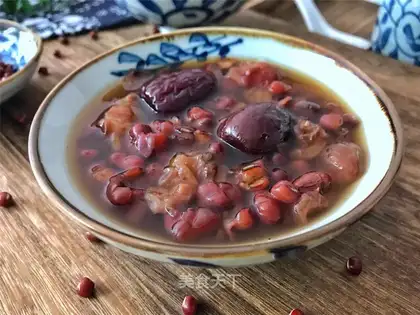 Cinnamon dates, red bean soup"
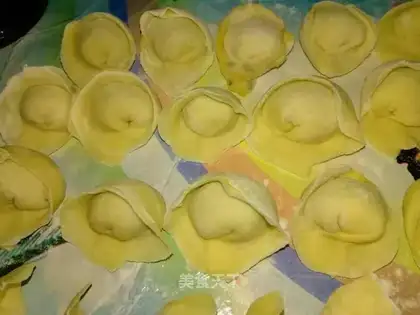 Yuanbao"
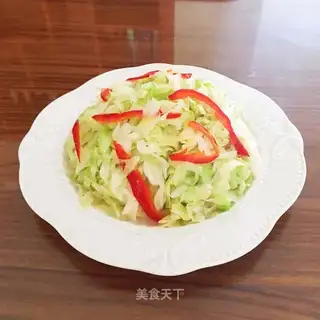 Cleaning up"
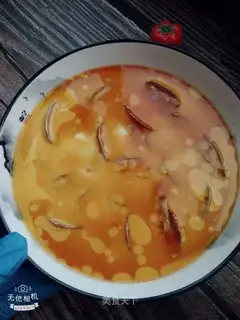 Flower clams and eggs"
 Crystal cinnamon"
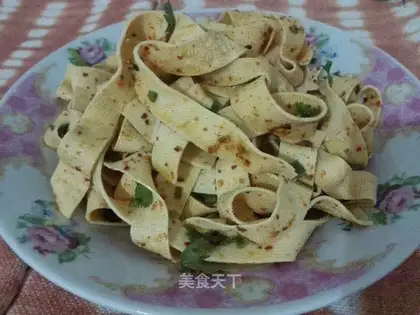 Tofu skin"
 Tofu won"
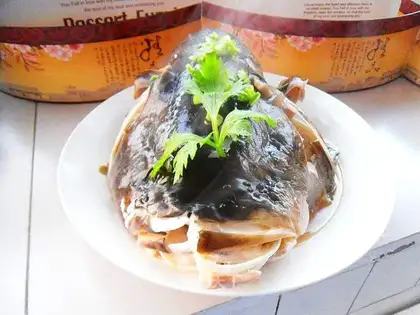 Snack fish head"
 Peanut butter grab cake"
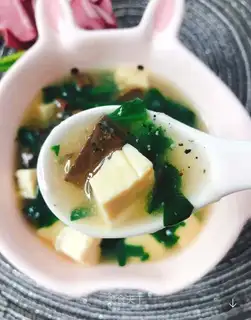 Duck tofu soup"
 octopus"
 Carrot Sydney juice"
 Pumpkin greasy rice"
 Big cabbage with tomatoes"
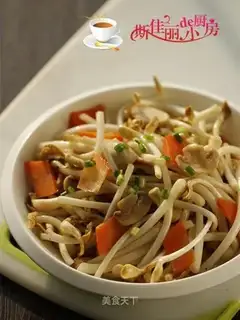 Scrambled peanuts"
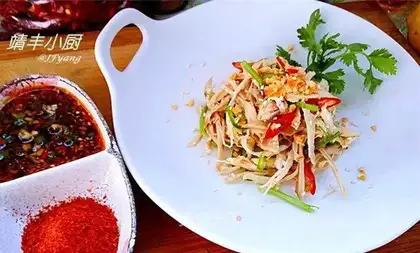 Kawakawa Pixie"
 It's burning"
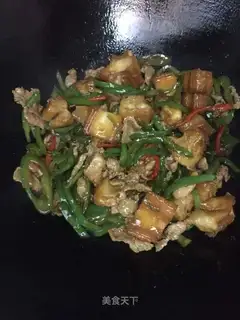 Spicy pretzels"
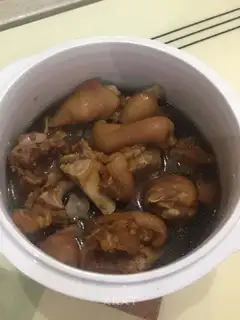 The foot of a pig"
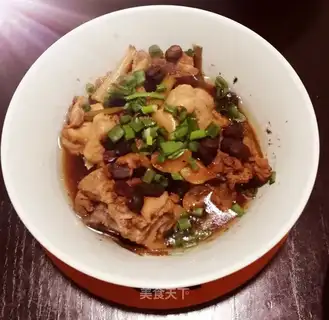 Doudou ribs"
 Sweet peanut bag"
 Bean cake"
 Pumpkin soy toast"
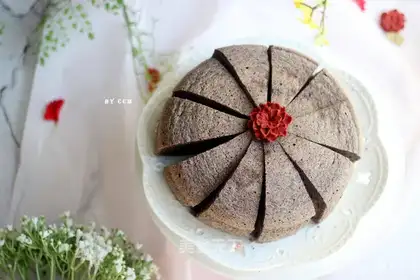 Milky black cake"
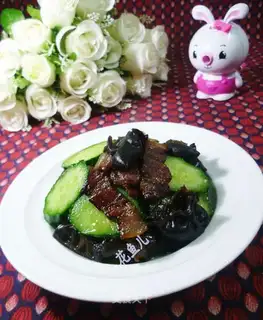 Black-mucked cucumber"
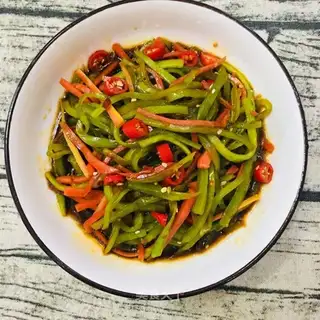 Cooled silk"
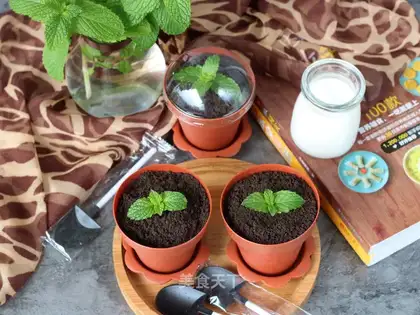 Olio's yogurt plant"
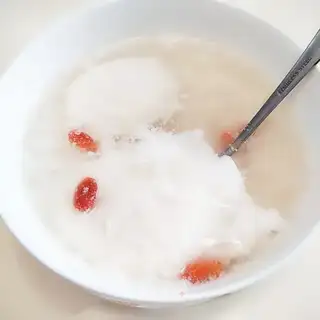 It's a homemade egg"
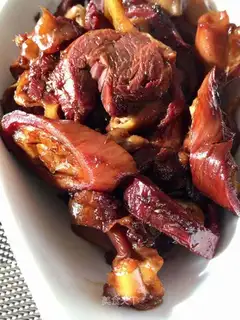 Cardiac protection"
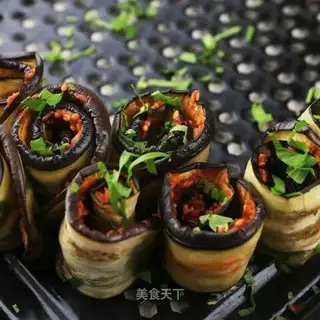 Roast eggplant"
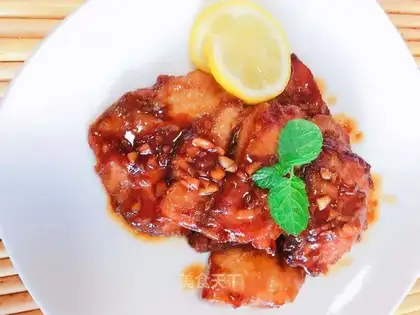 Honey lemonfish"
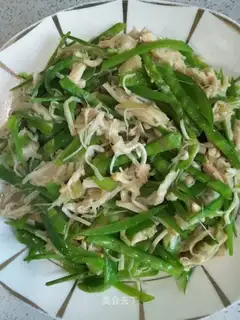 Dutch soy-dried golden mushrooms"
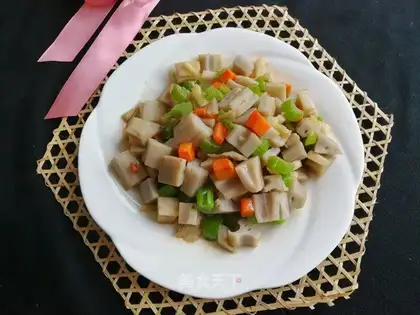 Ziddeen"
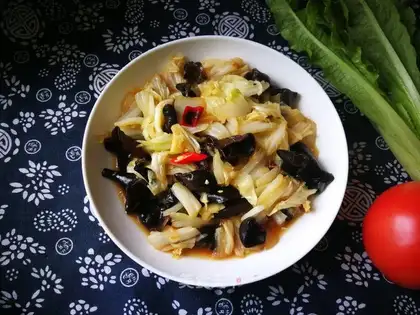 Mock and cabbage"
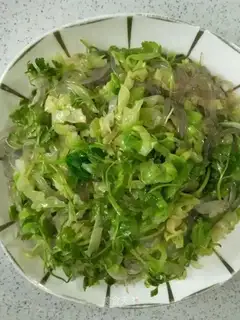 Blend the kale"
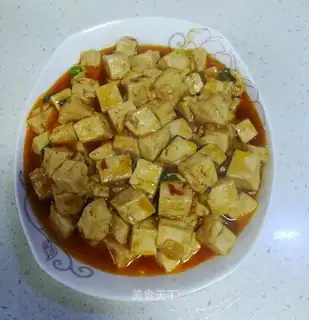 Red tofu"
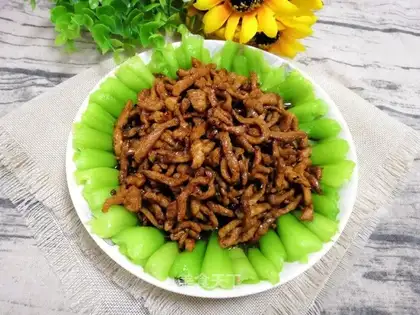 Sausage"
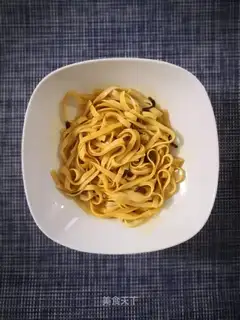 Simple onion noodles"
 The pickle makes number five"