Bibimbap, Korea’s beloved "mixed rice," is a vibrant, customizable dish that balances flavors and textures. Here’s a simple guide to crafting it at home.
Step 1: Prepare the Rice
Start with 2 cups of short-grain rice, cooked and kept warm. The rice serves as the base, so ensure it’s slightly sticky but not mushy.
Step 2: Cook the Toppings
Classic toppings include sautéed spinach (seasoned with soy sauce and sesame oil), stir-fried carrots (julienned and blanched), bean sprouts (parboiled with garlic), and marinated beef (thinly sliced, stir-fried with soy sauce, sugar, and sesame oil). For a vegetarian twist, replace beef with pan-fried tofu or mushrooms.
Step 3: Add the Egg
Fry a sunny-side-up egg per serving, with a runny yolk to enrich the dish later.
Step 4: Assemble
Arrange toppings neatly over the rice in sections, creating a colorful pattern. Drizzle 2–3 tablespoons of gochujang (Korean chili paste) and a splash of sesame oil.
Step 5: Mix and Enjoy
Serve hot with a side of doenjang (soybean paste) soup. Let diners mix everything together thoroughly, blending the yolk, sauce, and ingredients into a harmonious, flavorful meal.
Bibimbap is versatile—use seasonal veggies or leftover proteins. Its balance of nutrition and taste makes it a beloved staple worldwide.
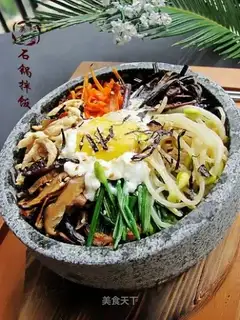 Korean-style bibimbap"
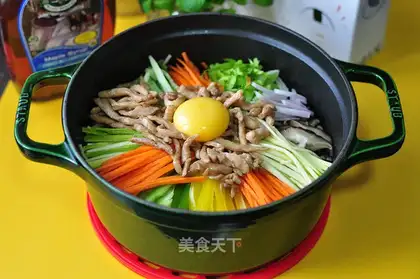 Rock pan rice"
 Five-colour vegetable mix"
 Foul omelet for mushrooms"
 Piggy rice"
 Soy sauce"
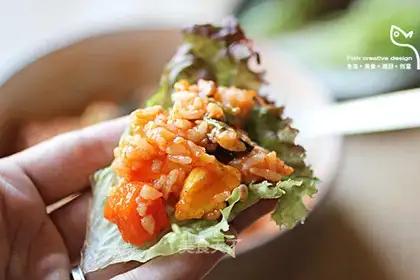 A mix of rice"
 Pear juice"
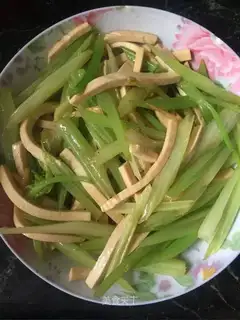 Cream fried beans"
 Spicy squid"
 Bacon pins and mushrooms"
 Lemonberry Spice"
 French fries"
 SHRIMP WITH GARLIC"
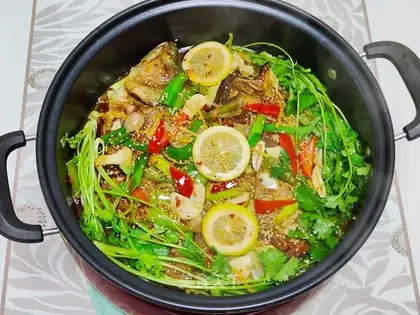 Homemade fish"
 Orange juice"
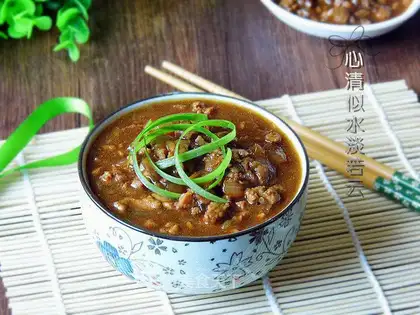 Soy sauce"
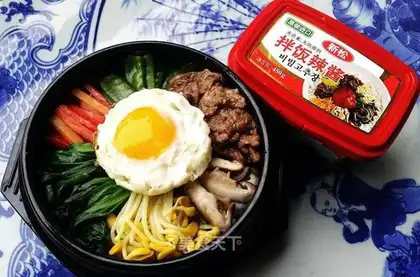 Korean Beef Rock Pixie"
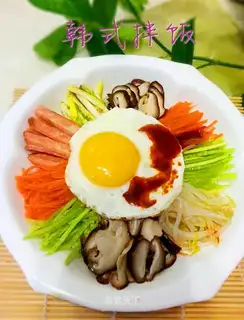 Korean rice"
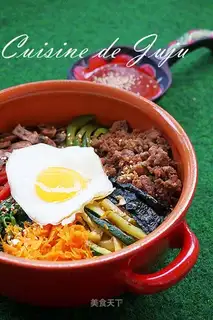 Korean rice"
 Double-coloured cutter"
 Spicy potatoes"
 Pumpkin pot"
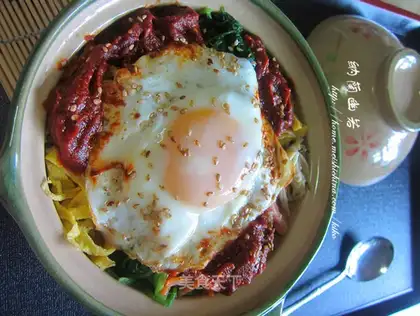 Korean-style bibimbap"
 It smells bad"
 Peach sesame rice rolls"
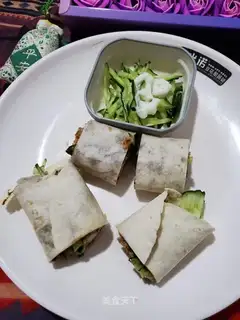 Chicken roll"
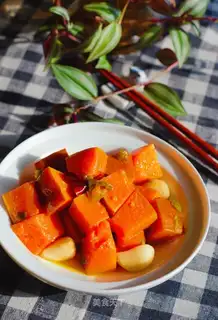 Pumpkin stew"
 Scrawny mackerel"
 Black pepper abalone"
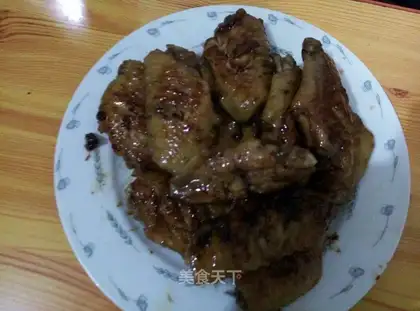 Coke chicken wings"
 Chocolate cookies"
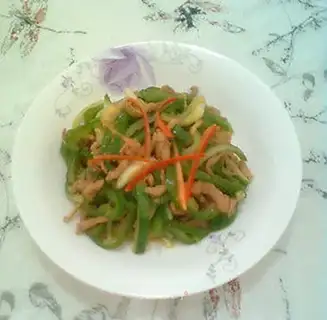 cucumber corset"
 Family secret meat sauce"
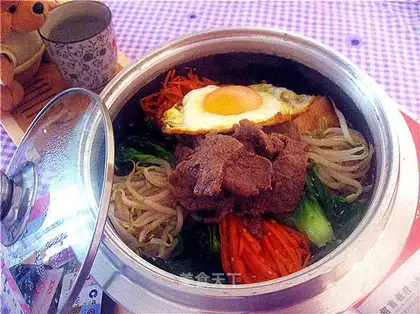 Korean bibimbap"
 Sesame egg rolls"
 Fried soy eggplant bibimbap"
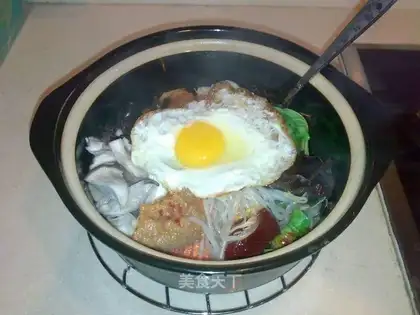 bibimbap"
 Authentic Korean bibimbap"
 bibimbap"