A high blood sugar diagnosis can feel overwhelming, but the good news is that dietary adjustments play a pivotal role in managing it effectively. You don’t need drastic changes—small, consistent tweaks to your daily meals can make a significant difference.
First, prioritize fiber-rich foods like whole grains (oats, quinoa), legumes, and non-starchy vegetables (spinach, broccoli). Fiber slows glucose absorption, preventing sharp spikes in blood sugar. For example, swapping white rice for brown rice or adding chia seeds to your breakfast can stabilize levels throughout the day.
Next, choose low-glycemic fruits such as berries, apples, and pears in moderation. These release sugar gradually, unlike high-GI options like mangoes or grapes. Pair fruits with a source of protein or healthy fat, like Greek yogurt or almonds, to further blunt blood sugar rises.
Healthy fats are also crucial. Avocados, nuts, and olive oil improve insulin sensitivity, making it easier for your body to regulate glucose. Additionally, opt for lean proteins like fish, chicken, or tofu to maintain satiety without excess saturated fat.
Avoid sugary drinks, refined carbs (white bread, pastries), and processed snacks, which cause rapid blood sugar fluctuations. Instead, stay hydrated with water or herbal teas.
Remember, consistency matters. By focusing on whole, unprocessed foods and mindful meal planning, you can take control of your blood sugar—one delicious bite at a time. Always consult a healthcare provider or dietitian for a personalized plan.
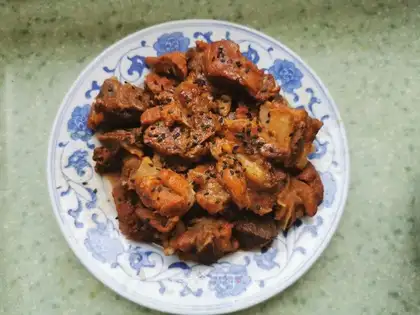 Sugar vinegar ribs"
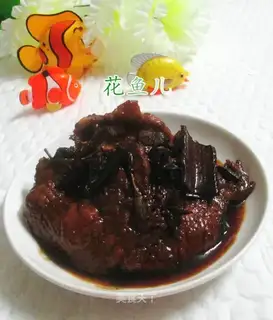 Coke Platoon"
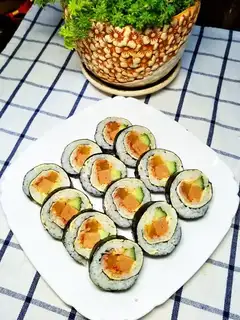 The veggies"
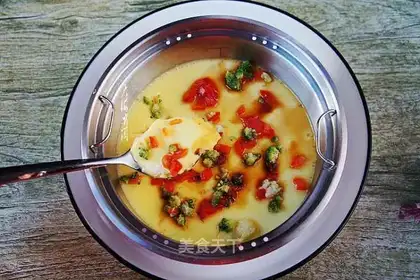 Steam eggs"
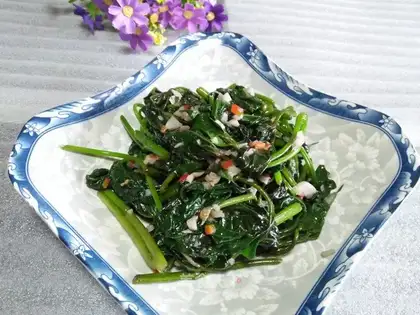 Garlic potatoes"
 ♪ Squeeze veal veal veggie ♪"
 Sailor bun"
 Halo eggs"
 Spoonball soup"
 Pumpkin"
 Vacuated goldfish"
 Chestnut roll"
 The rice date red bean cake"
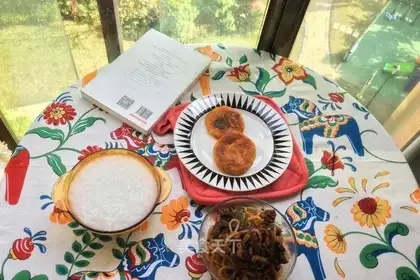 Pumpkin"
 Crystal potato soup"
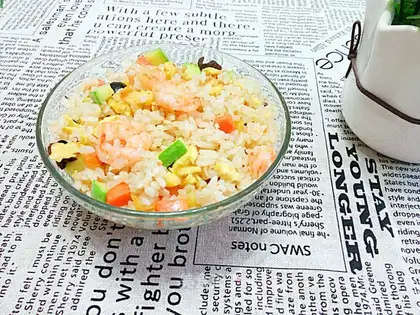 Shrimp rice"
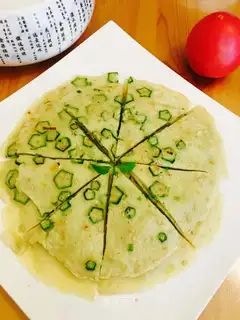 Eggcake"
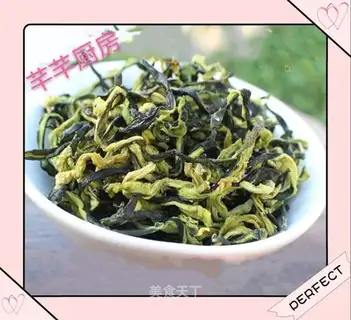 Zeners dry"
 Spicy chicken and rice"
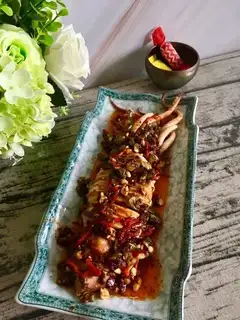 The private room is spicy"
 Celery bun"
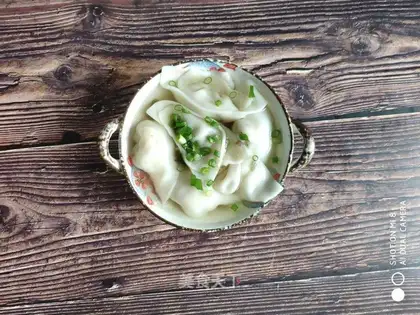 Carpentry"
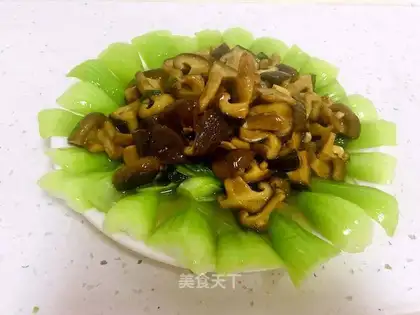 Mushroom pickles"
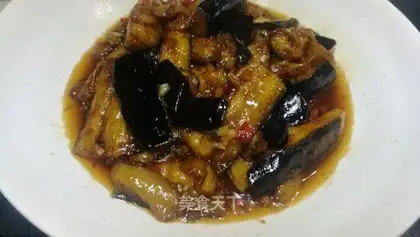 Red eggplant"
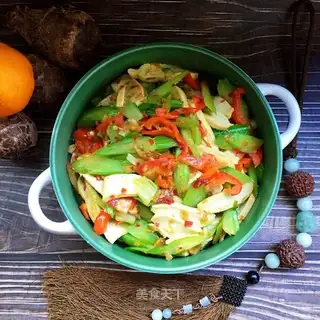 Garlic chili sauce and beans dry"
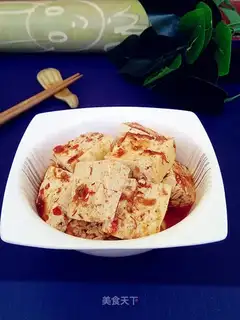 Spicy tofu"
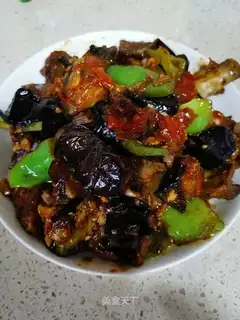 Cheese"
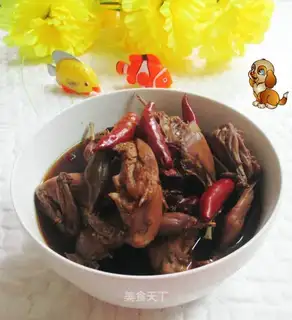 The halogen quail"
 Beer and eggs"
 Frozen wings"
 The pickles are fresh"
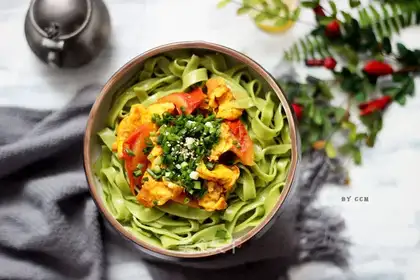 Scrambled spinach hands"
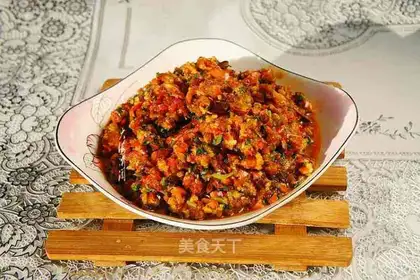 Pepper sauce"
 Sesame pecan"
 Pork smelt"
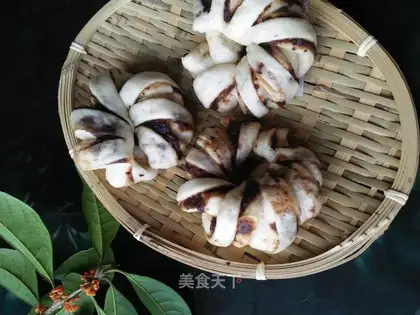 The date roll"
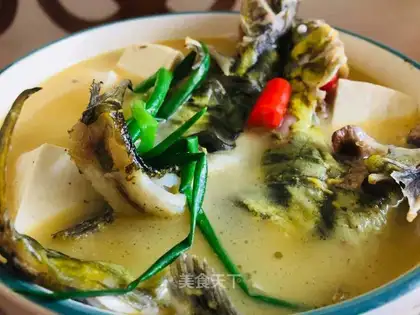 Ducks are tofu"
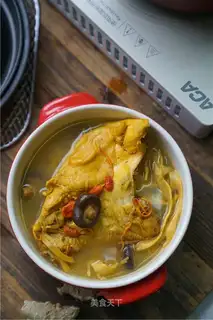 Sanjane chicken soup"
 I used to cook the yellowfish"
 Shrimp pretzels"