As late autumn arrives, cooler temperatures and drier air demand dietary adjustments to maintain health and balance. The key lies in nourishing the body while strengthening immunity, focusing on seasonal, nutrient-rich foods.
Prioritize warm, cooked dishes to support digestion and internal warmth. Opt for whole grains like brown rice and oats, which provide sustained energy and fiber. Incorporate seasonal vegetables such as pumpkins, sweet potatoes, and carrots—they’re packed with vitamins A and C, bolstering immunity against winter colds. Leafy greens like kale and spinach remain essential, offering iron and calcium for bone health as sunlight decreases.
Protein intake should be lean yet nourishing: fish, especially salmon, delivers omega-3 fatty acids for joint health, while beans and tofu plant-based alternatives. Don’t forget healthy fats from nuts, seeds, and olive oil, which protect skin from dryness.
Hydration is crucial too; warm herbal teas or ginger water can combat dehydration without overcooling the body. Limit processed foods and excessive sugar, which can disrupt balance.
By blending seasonal produce, whole grains, and quality proteins, late autumn meals become a tool to sustain energy, enhance immunity, and embrace the season’s comforts healthily.
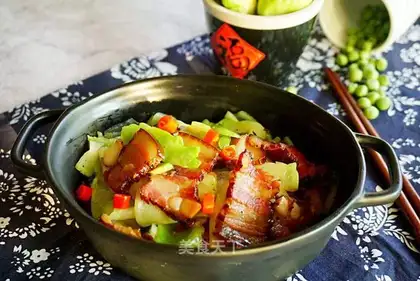 The gravy"
 Crab porridge"
 The sauerkraut"
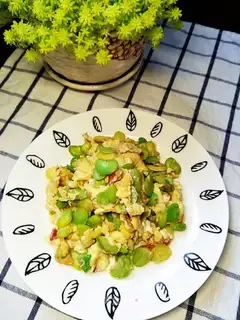 Eggs fried beans"
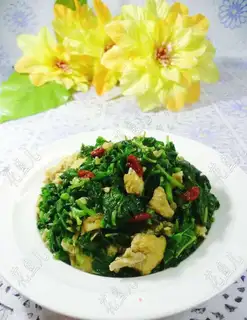 White rice fried eggs"
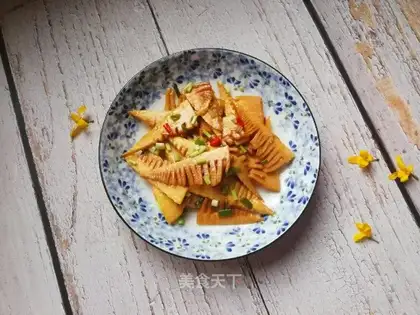 It's sharp"
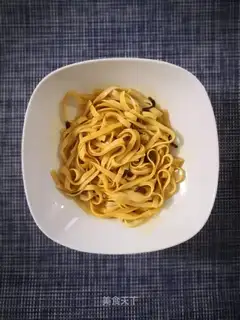 Simple onion noodles"
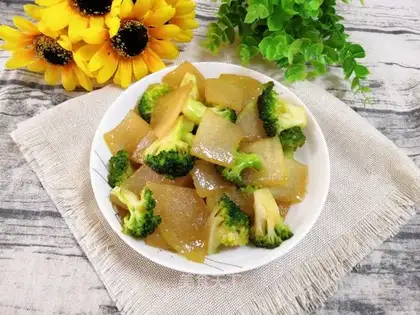 Pelican oil, melon orchids"
 The lamb onions"
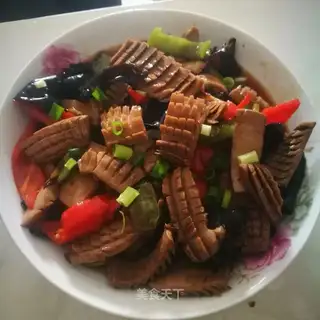 Flaming hips"
 ♪ ♪ ♪ ♪ Tonics of red-tree duck soup ♪"
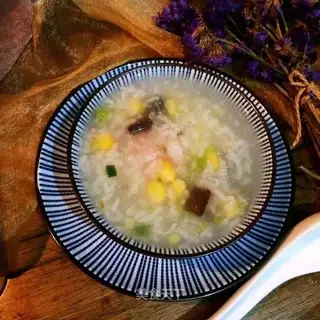 Porridge"
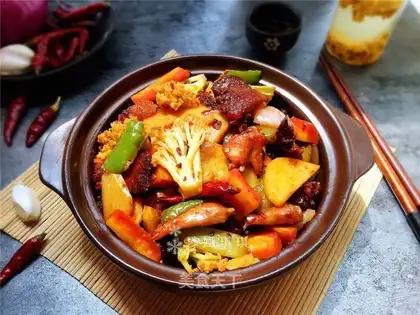 What's up"
 Fat cow, golden mushroom"
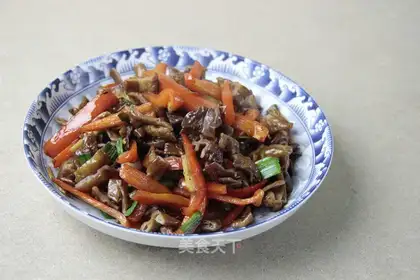 Piggy sausage"
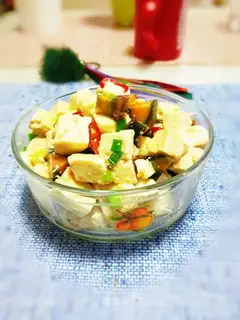 ♪ Little onion egg tofu ♪"
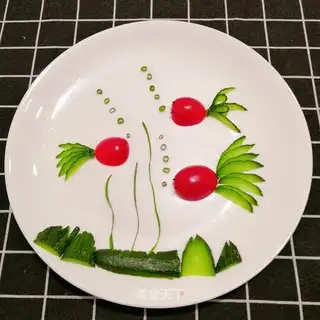 The goldfish family"
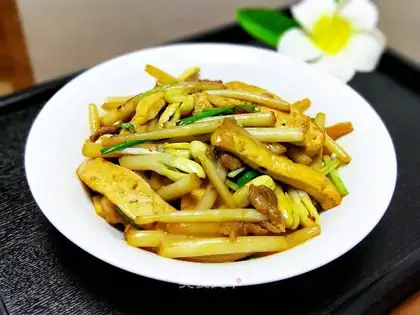 Peanut sprouts"
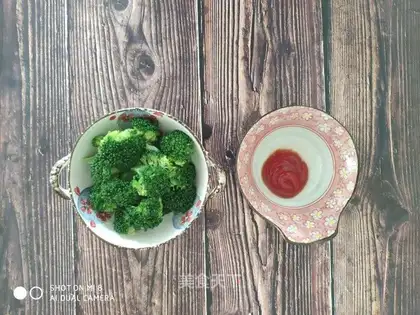 The bouquet orchids"
 Honey-cooked chicken wings"
 Juice bread"
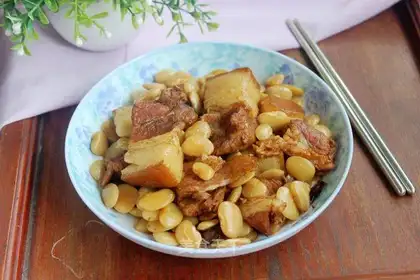 Soybeans"
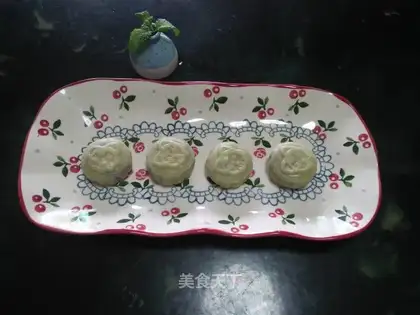 Tea ice-cream mooncake"
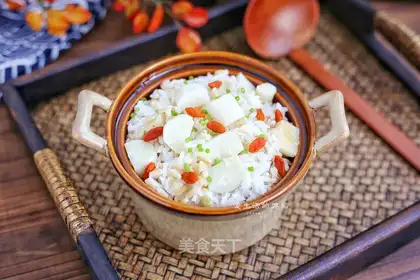 It's a potion oatmeal"
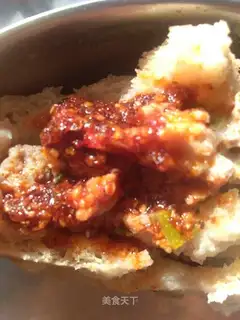 Celery bun"
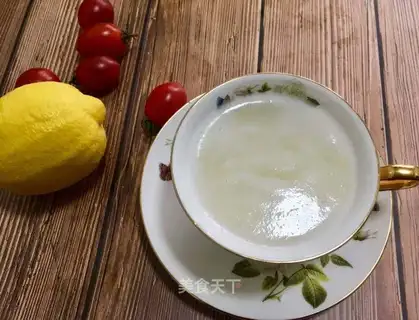 Honey radish juice"
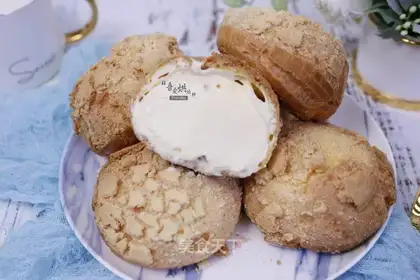 Butter puff"
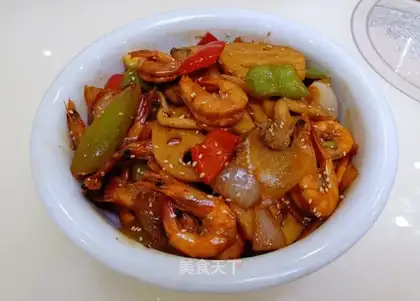 Dry pan shrimp"
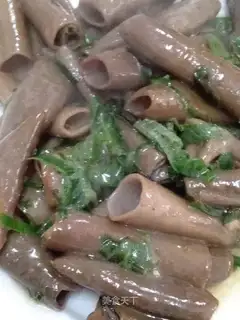 Fried bowels"
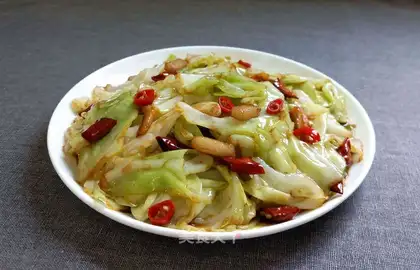 Spicy hand tore the dishes"
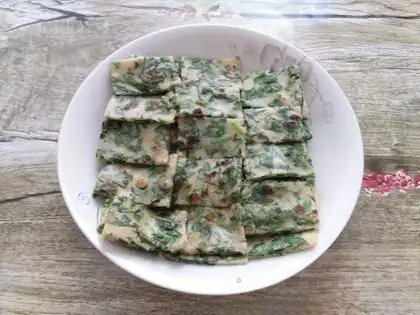 Sausage eggcake"
 Apple donuts"
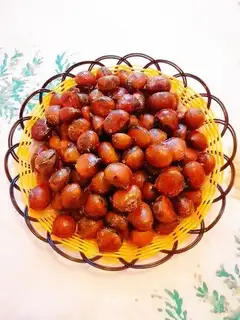 Baked chestnuts"
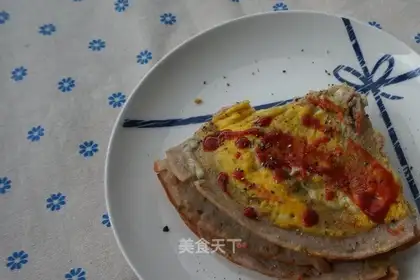 Eggcake"
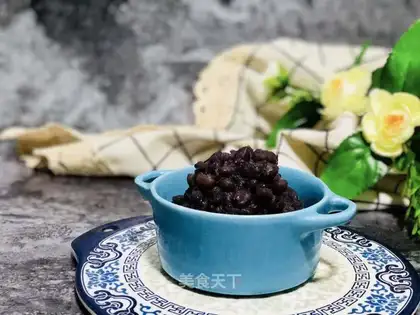 Honey Bean"
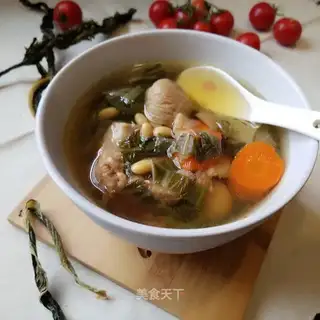 Soup with figs"
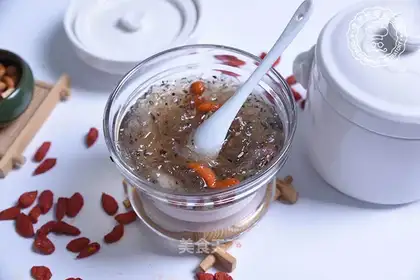 Ice sugar, gel ostrich nest"
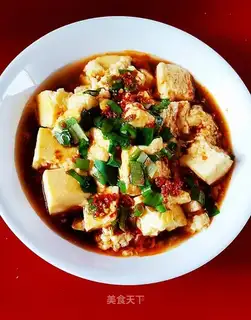 Frozen eggs tofu"
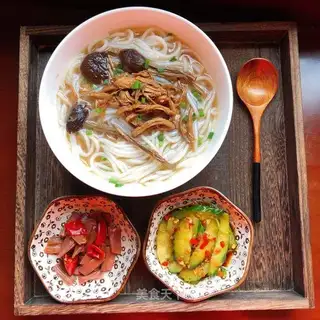 Old chicken powder"
 Ice cream cake"